
As Viet Nam advances its energy transition and works toward the Net Zero 2050 goal, green hydrogen (GH2) and sustainable aviation fuel (SAF) are emerging as two important components of the country’s decarbonization strategy. We no longer ask the simple question, “Will Viet Nam develop these sectors?”. The real question now is: How can Viet Nam turn its existing targets into functioning markets that can attract investment?
Viet Nam has established strategic-level direction with Decision No.165/QD-TTg in 2024, setting a target for hydrogen production from renewable energy and carbon-capture process to reach 100,000 – 500,000 tons per year by 2030, increasing to 10 – 20 million tons per year by 2050. Hydrogen is expected to play a role across multiple sectors, including power generation, transportation, steel, cement, chemicals, and oil refining; while gravitating towards the formation of an ecosystem covering production, storage, transportation, distribution, use and export. However, a significant gap remains between strategic ambitions and market development. Viet Nam is continuing to develop and refine the necessary standards, regulations, investment mechanisms, and infrastructure to create a more enabling environment for hydrogen investment. This highlights that the challenge is no longer simply technological. It is equally about establishing a clear and predictable legal and economic framework that gives businesses the confidence to make long-term investment decisions.

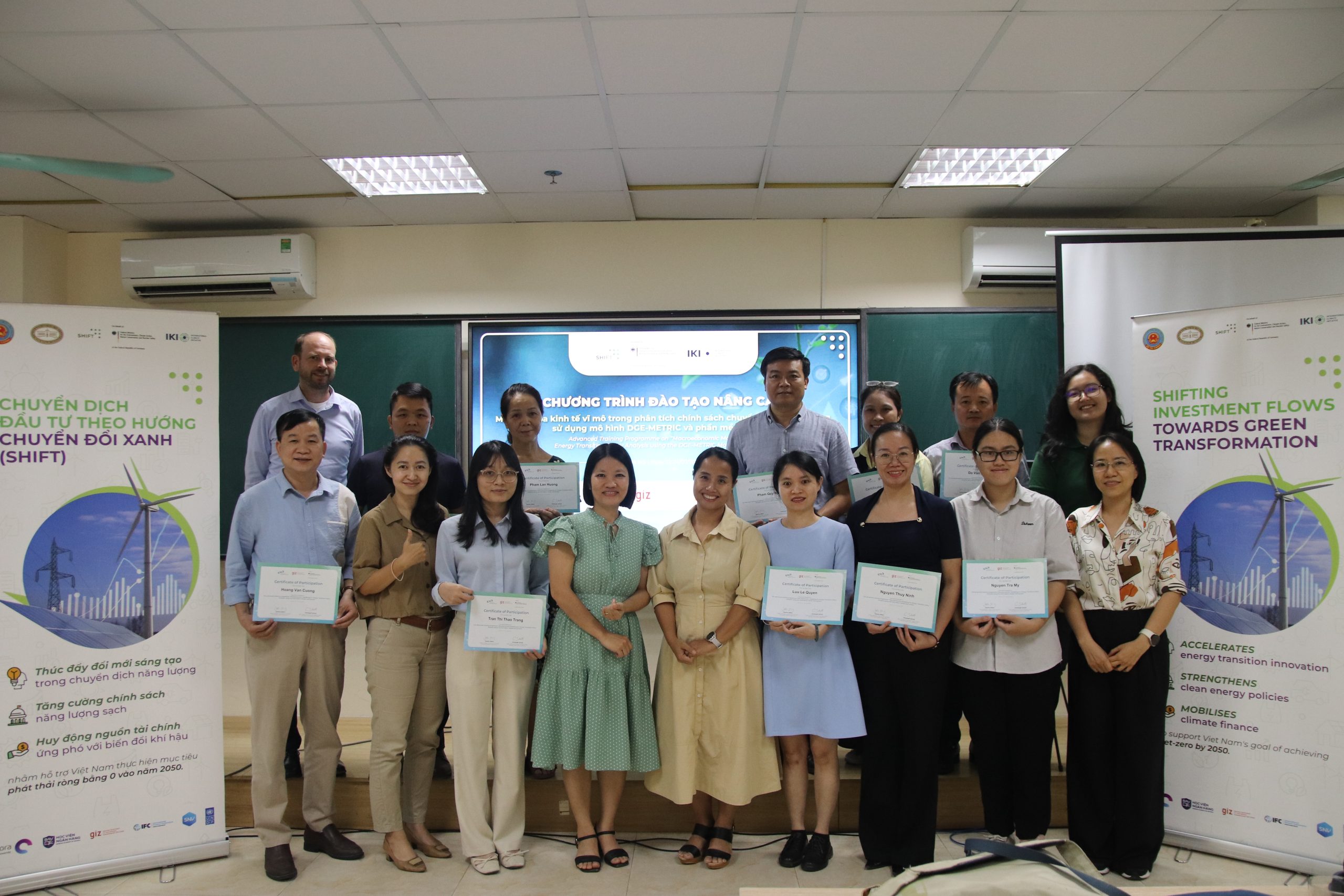
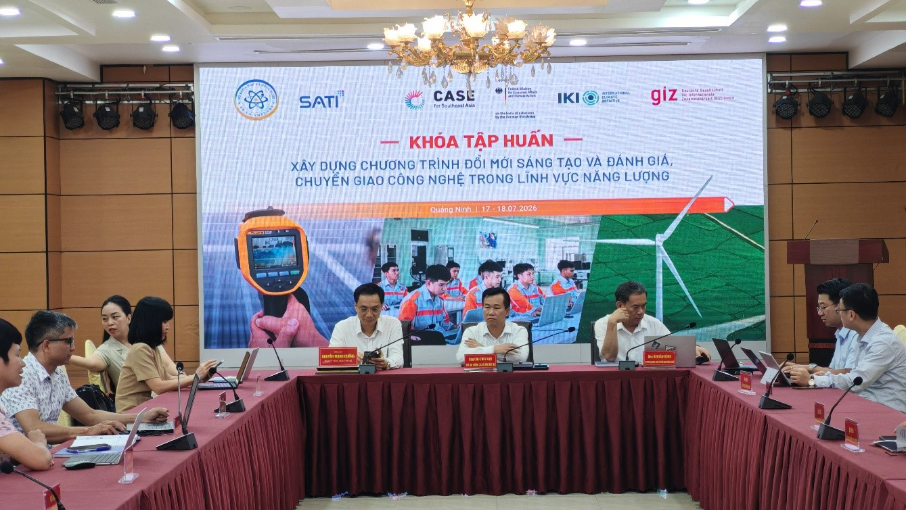
Photo by GIZ.
Meanwhile, SAF has become the focus of another timely issue.
Aviation is one of the most difficult sectors to electrify. In the medium and long term, SAF would be among the key solutions for reducing emissions from the aviation sector without having to wait for a complete transformation of the existing aircraft fleet and infrastructure.
International market pressure is building rapidly. The EU has already adopted a clear SAF roadmap, meaning that airlines and fuel supply chains serving international markets will increasingly need to prepare for and comply with low-carbon fuel requirements.

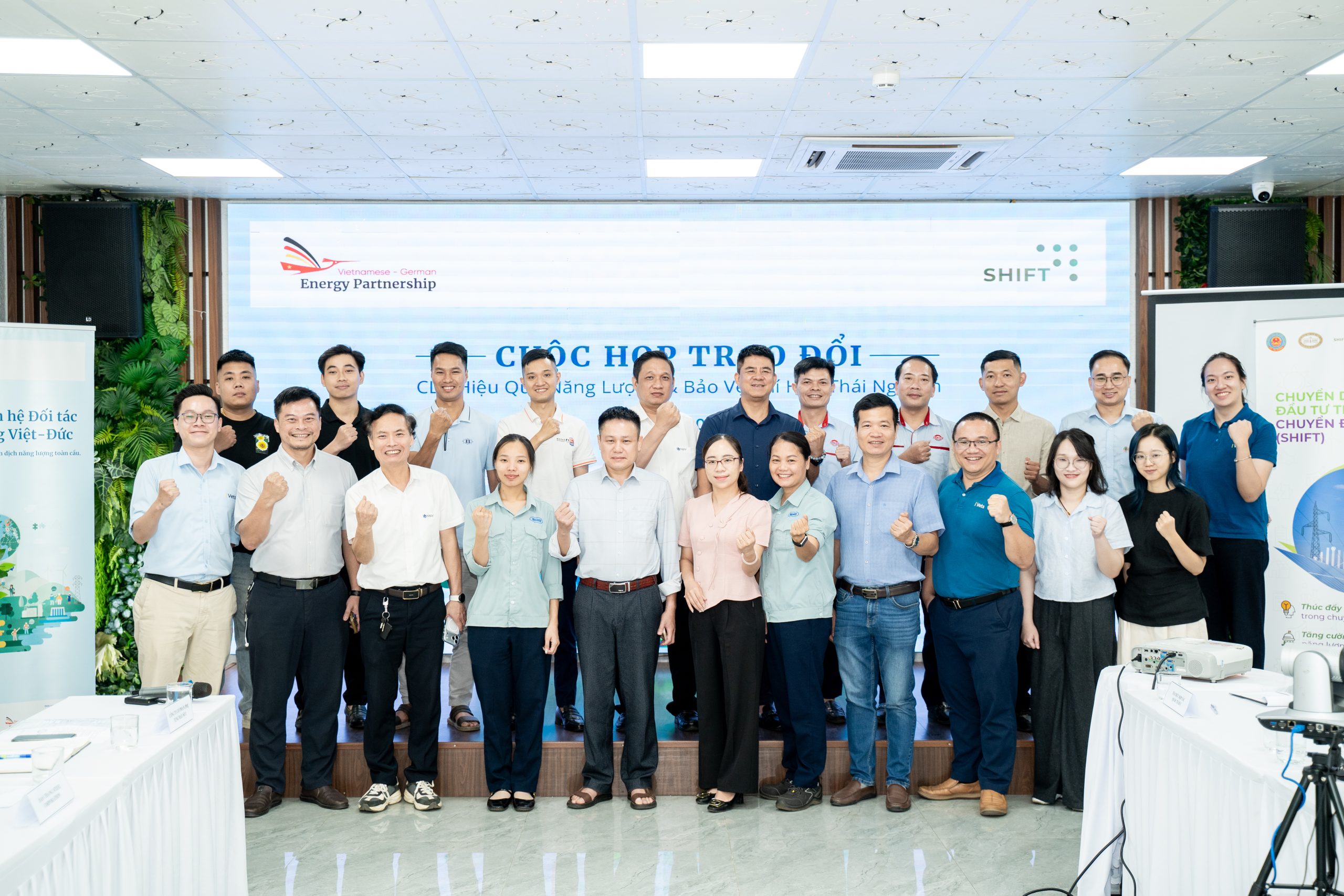
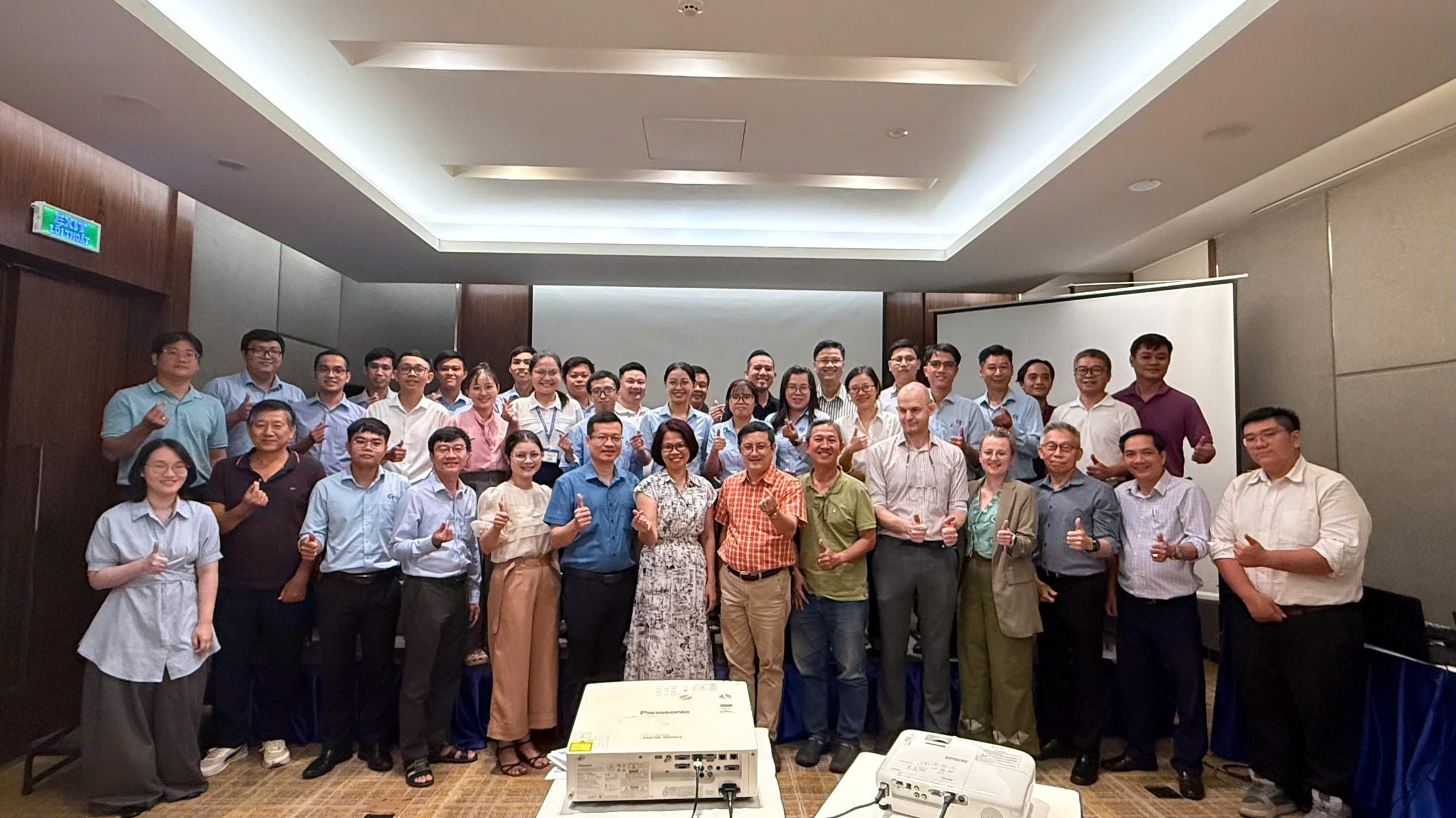
Photo by GIZ.
Viet Nam has taken its first steps; however, for SAF to truly become a market, the country needs to go beyond pioneering projects. It is necessary to form a clear SAF usage roadmap as well as the targets and rates of SAF usage in each phase; legal framework on production, supply, use and traceability; standards, regulations and certification mechanisms in accordance with international standards; incentives on tax, investment and green finance; long-term procurement mechanism to create demand, etc. These issues are currently raised in the process of policy finalization. Developing SAF today is not just about reducing emissions for aviation, but it could become a future demand for GH2, while creating opportunities for Viet Nam to turn its advantages in renewable energy into higher-value green energy products.
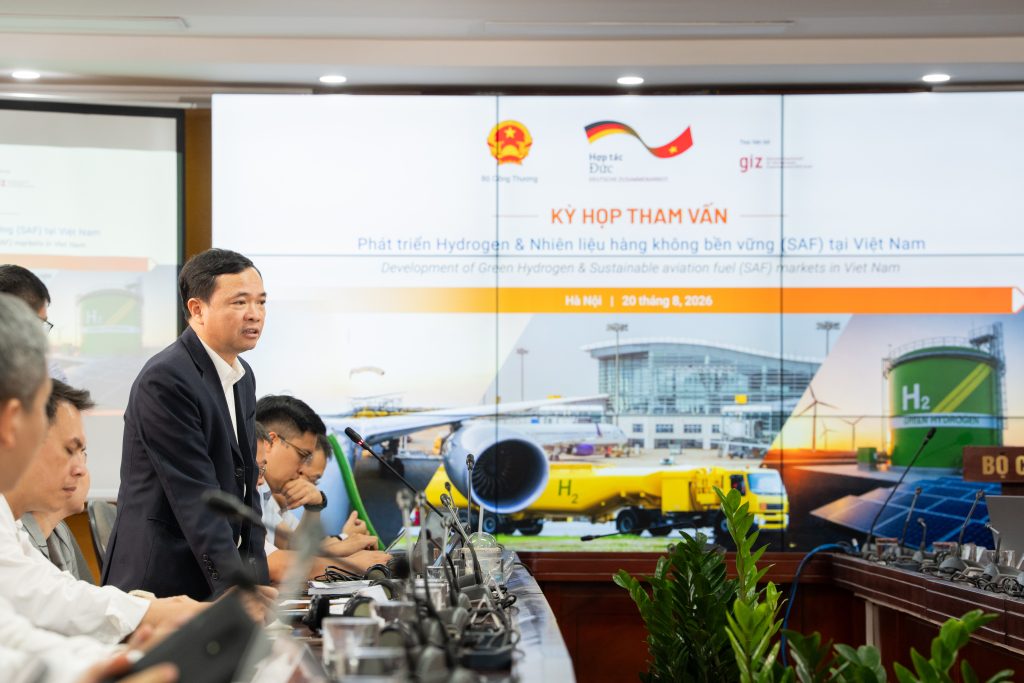

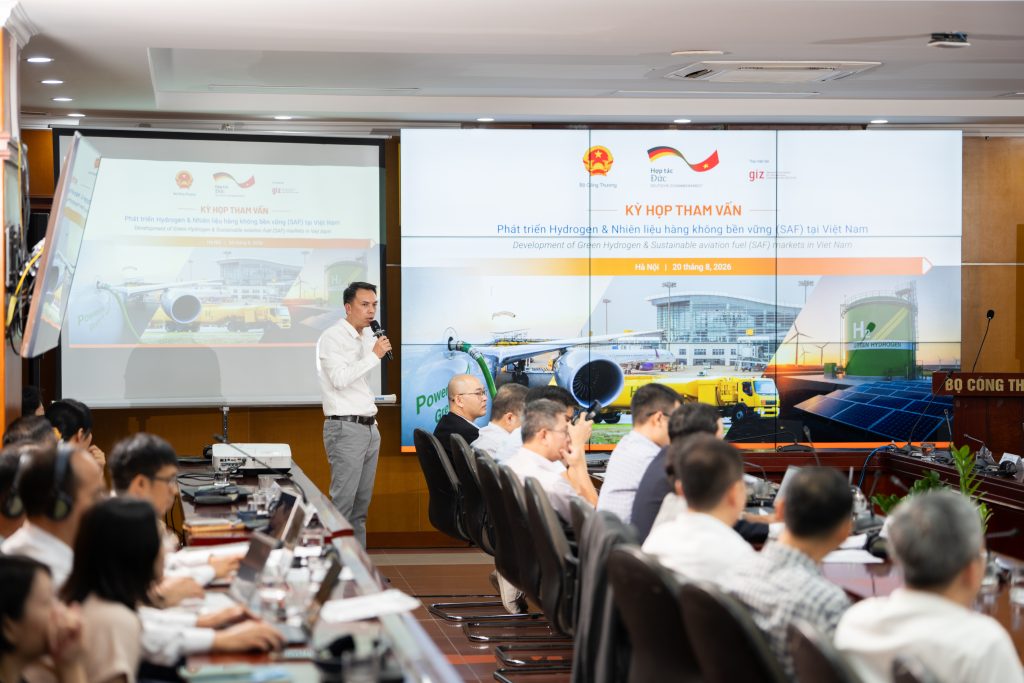
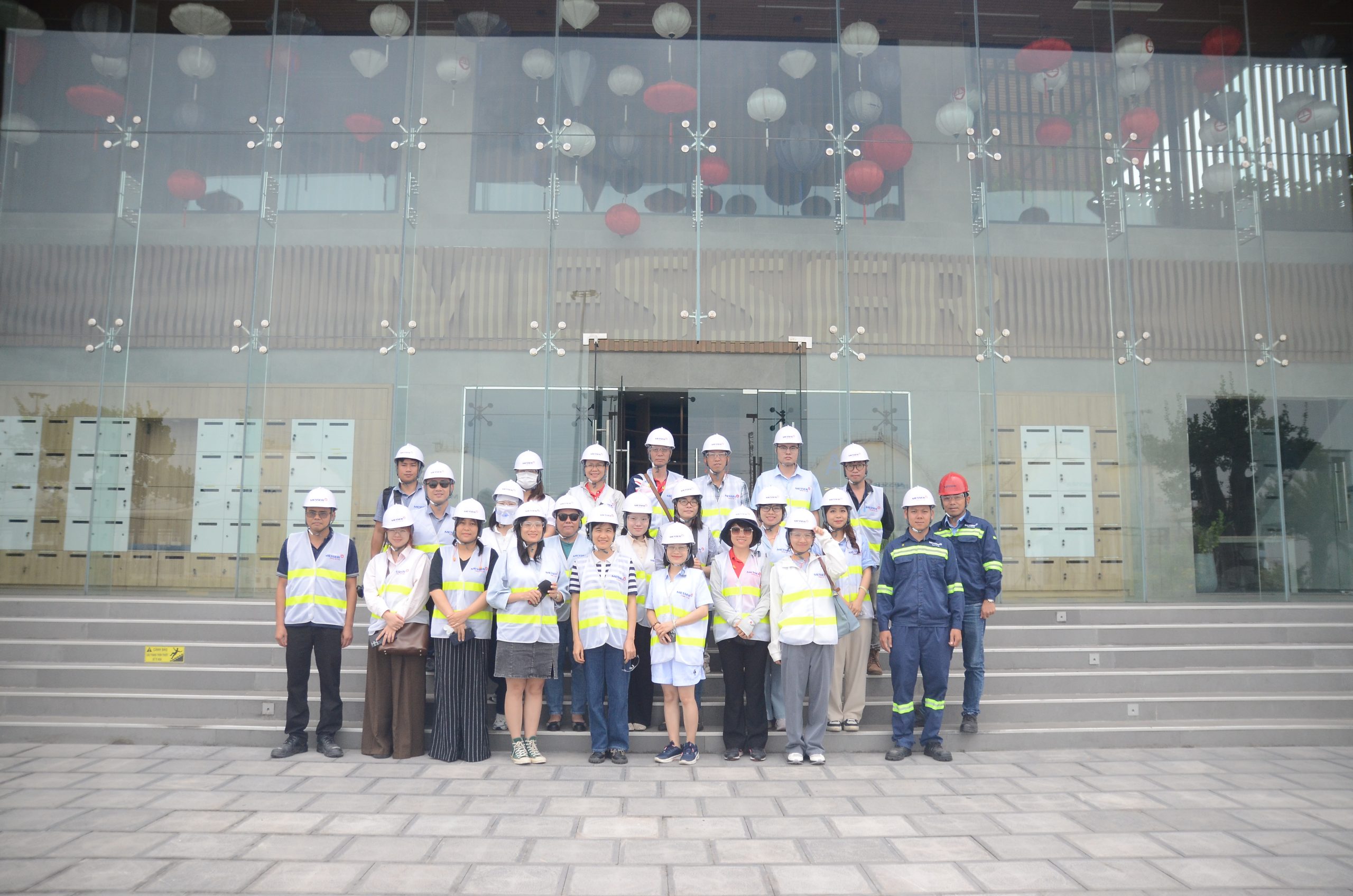
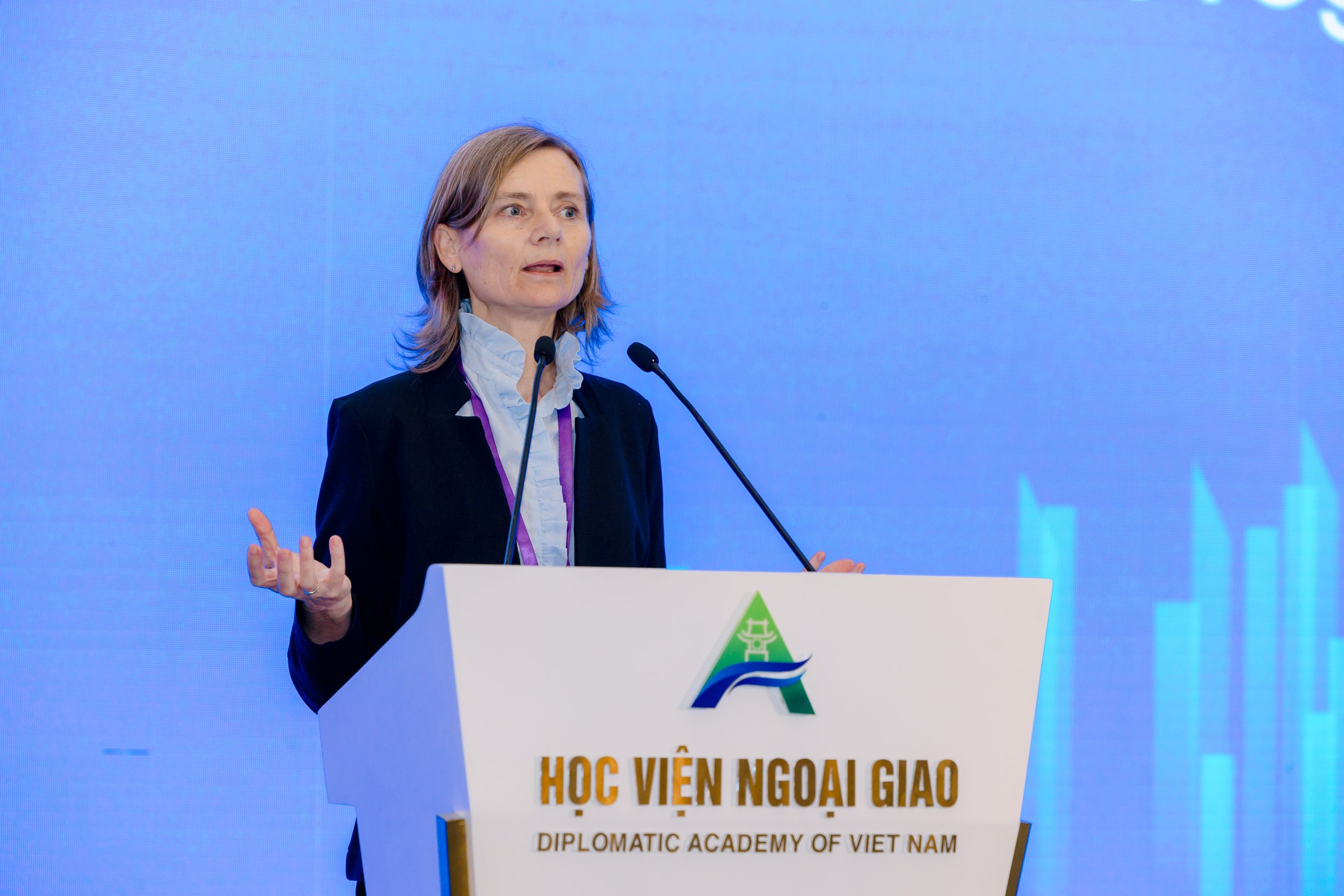
Photo by GIZ.
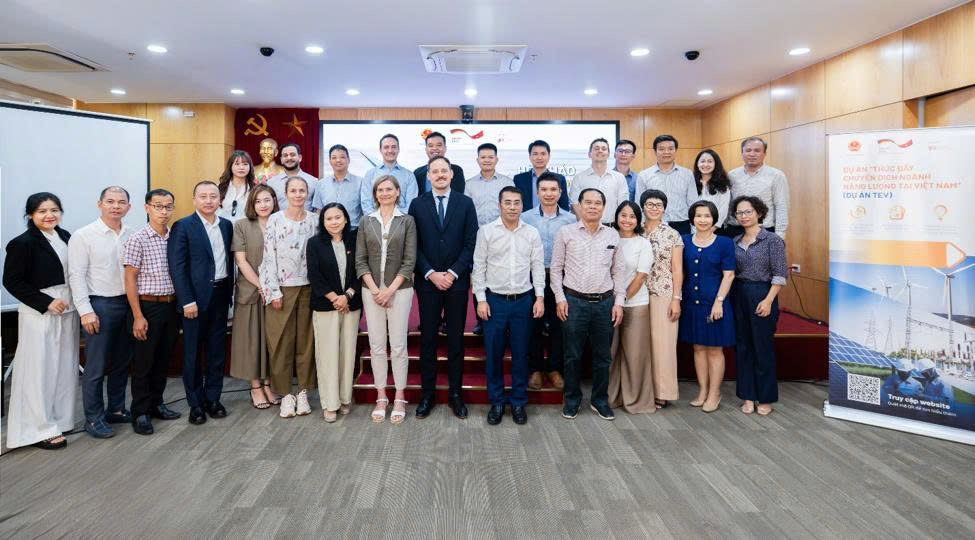
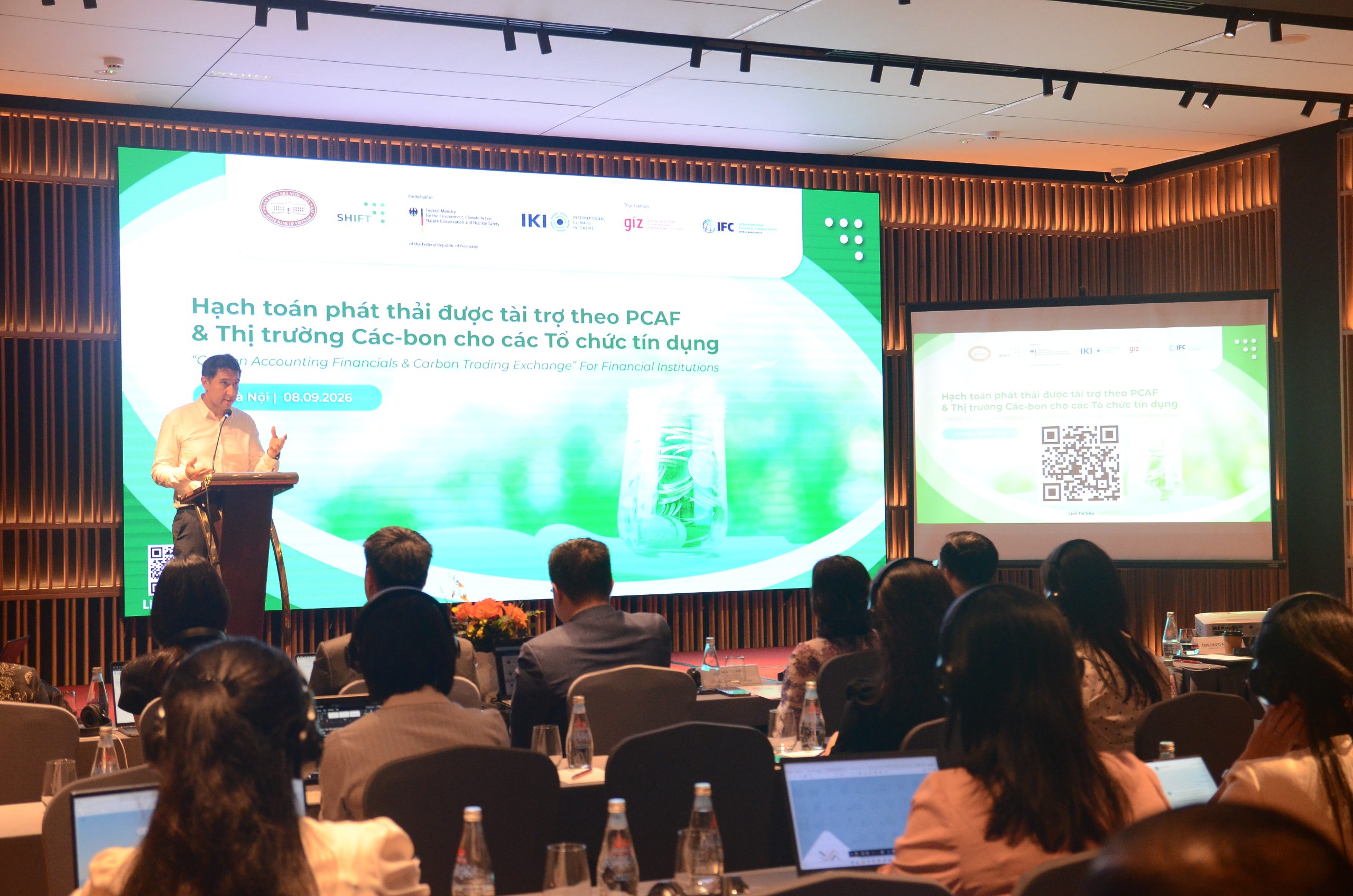
These key topics were discussed at the Consultation meeting on the Development of Green hydrogen and Sustainable aviation fuel markets in Viet Nam. Participating companies, including Binh Son Refining and Petrochemical Joint Stock Company (BSR), PetroVietnam Oil (PV Oil), Messer, and The Green Solutions, openly shared their strategic directions, plans, and ongoing pilot projects. Their contributions highlighted the initial steps businesses are taking to respond to global trends and gradually position themselves across the hydrogen and SAF value chains.
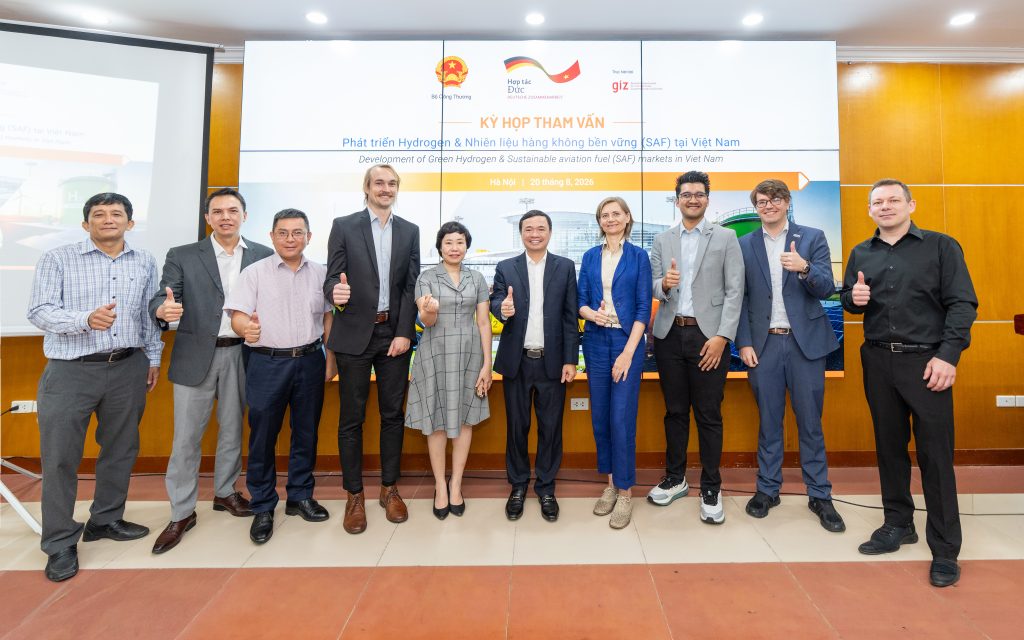
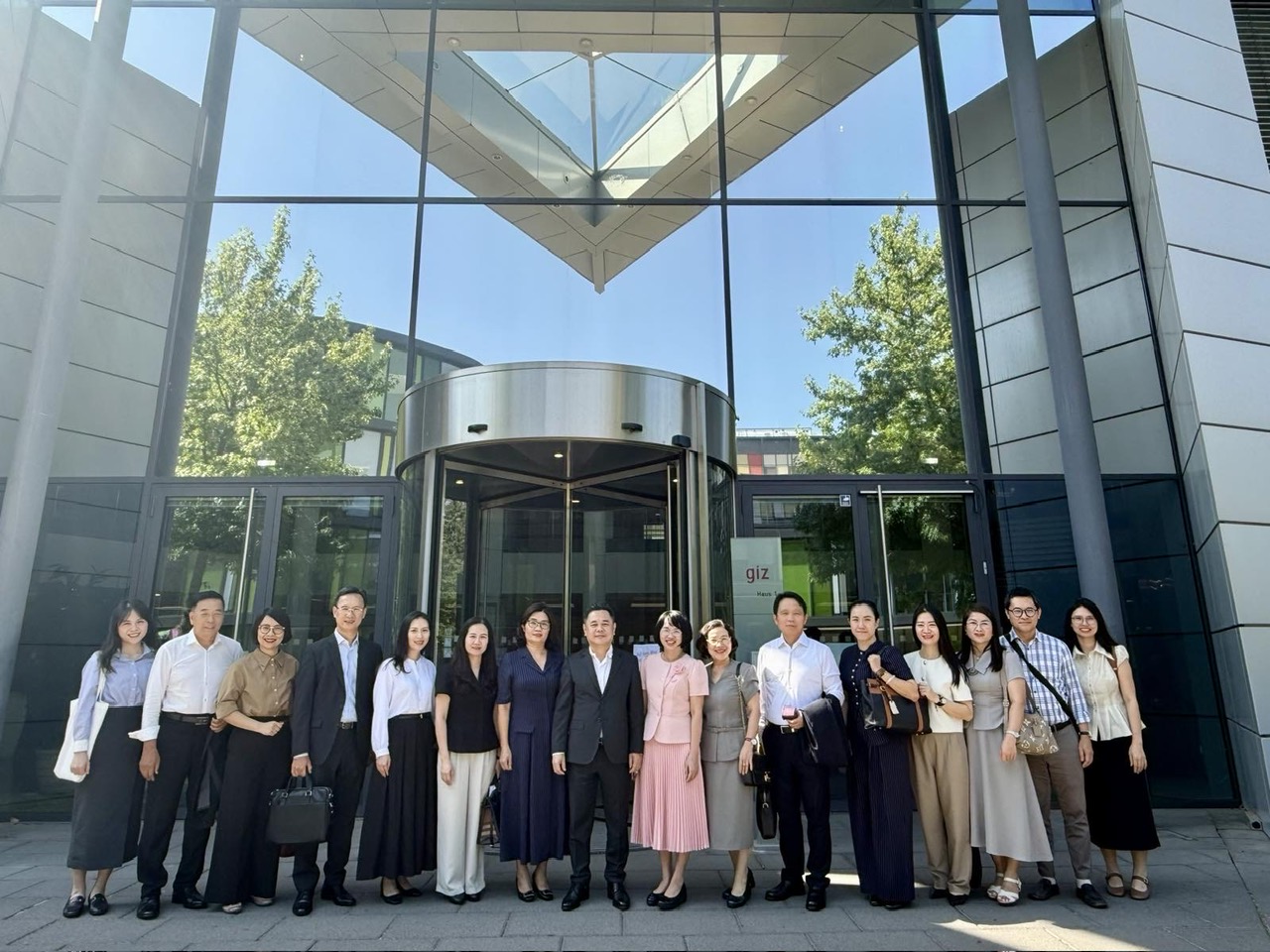
Photo by GIZ.
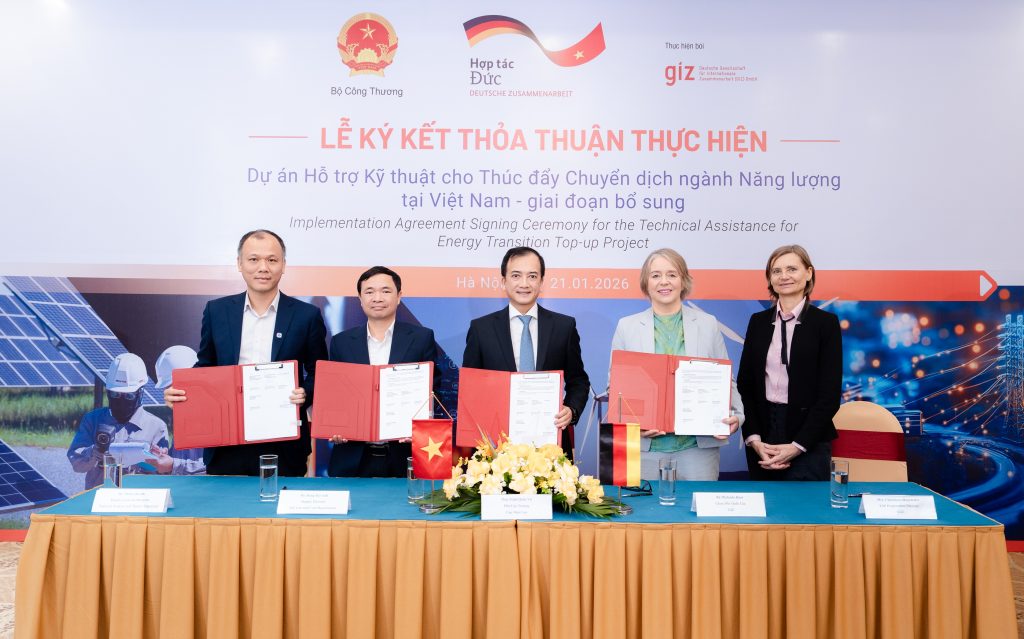
The meeting was organized by the Oil, Gas and Coal Department (OGC) under the Ministry of Industry and Trade (MOIT), with support from the GIZ Promoting the Transition of the Energy sector in Viet Nam (TEV) project. The goal of the consultation meeting is not only to promote separate projects, but to contribute to the finalization of policies and the building of a sustainable, competitive GH2 and SAF market suited to Viet Nam’s conditions.