“The most valuable thing I gained was not simply learning how to run the model, but being able to adapt and calibrate it to reflect changes in policies and developments across the energy sector.” Ms. Luu Le Quyen, Institute of Energy and Environmental Science, Viet Nam Academy of Science and Technology (VAST)
Moving from operating a model to independently developing and refining policy scenarios was the most significant progress that Ms. Luu Le Quyen experienced after completing the training programme “Macroeconomic Modelling for Energy Transition Policy Analysis using the DGE-METRIC Model and Dynare.”
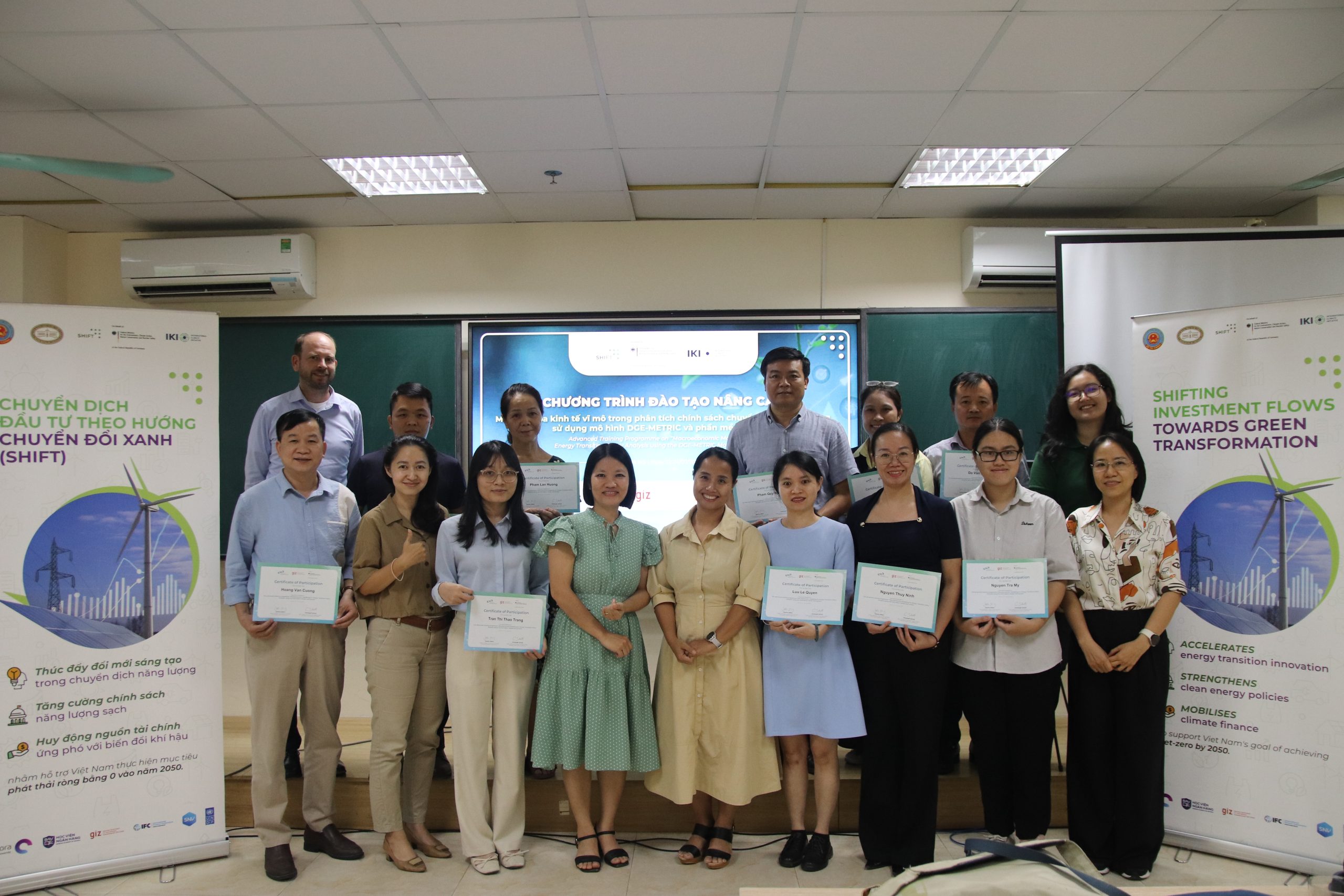
As one of the 13 participants who completed the advanced training course held from 22-24/07/2026, after attending both levels of the programme, Ms. Quyen shared that the greatest value of the training lay not only in learning how to operate the model, but also in progressively mastering it as a tool to support her professional work. Building on the foundation established during the basic course, the advanced programme provided participants with a deeper understanding of the model structure, calibration methods, policy scenario development, and the interpretation of simulation results. More importantly, participants were equipped with the analytical mindset and methodological approaches needed to proactively adapt the model in response to policy changes and evolving sectoral conditions, opening up new opportunities to apply the model to research and policy analysis, including emissions estimation and the assessment of future energy transition scenarios.
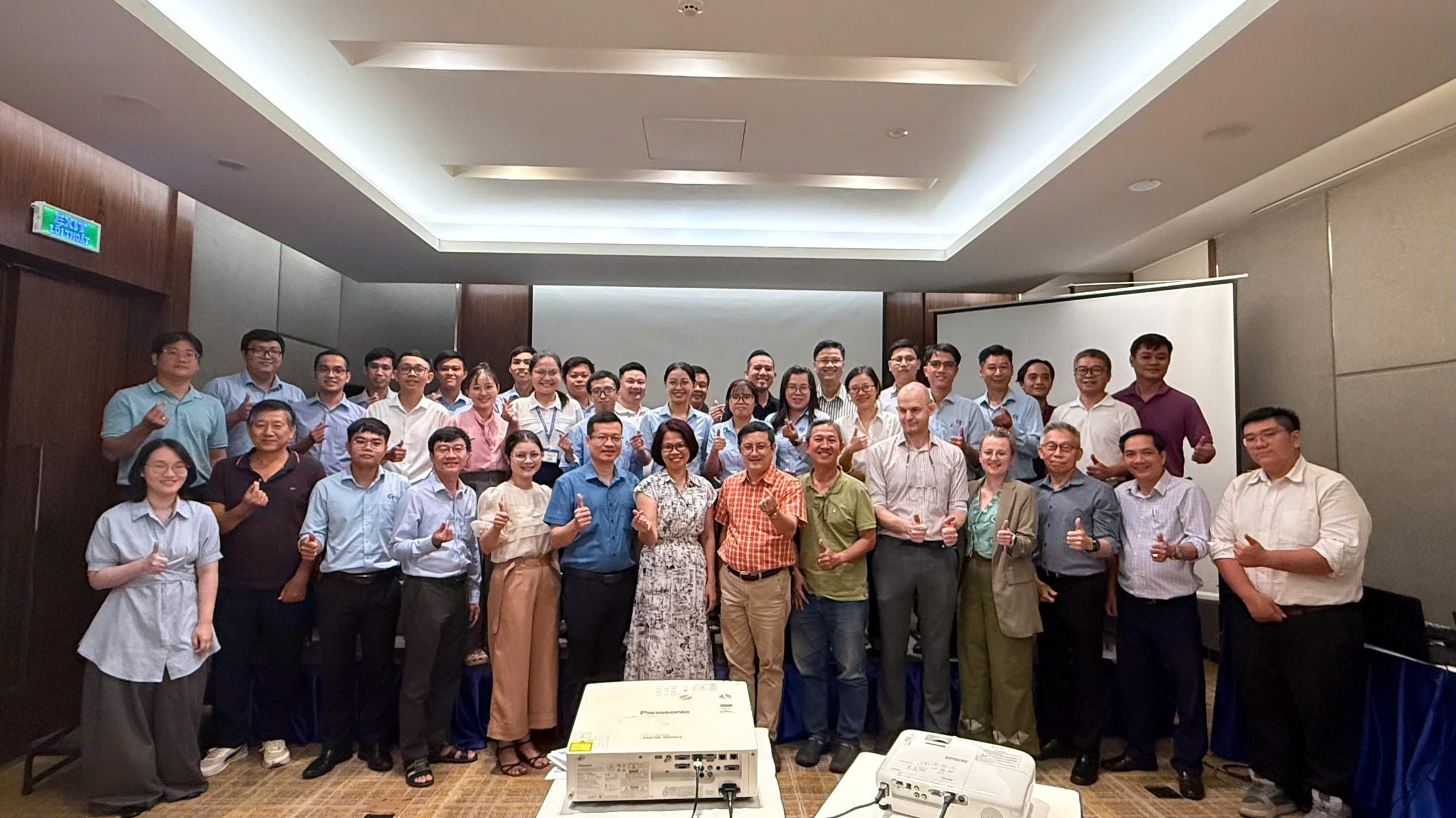
Ms. Quyen’s journey began with the basic training course, held from 10 to 12 June 2026, alongside 34 participants from government ministries, research institutes, universities, and organizations working in the energy and economic sectors. During the three-day programme, participants were introduced to the structure and operating principles of the DGE-METRIC model while gaining hands-on experience in developing policy scenarios to analyse the macroeconomic impacts of Viet Nam’s energy transition.
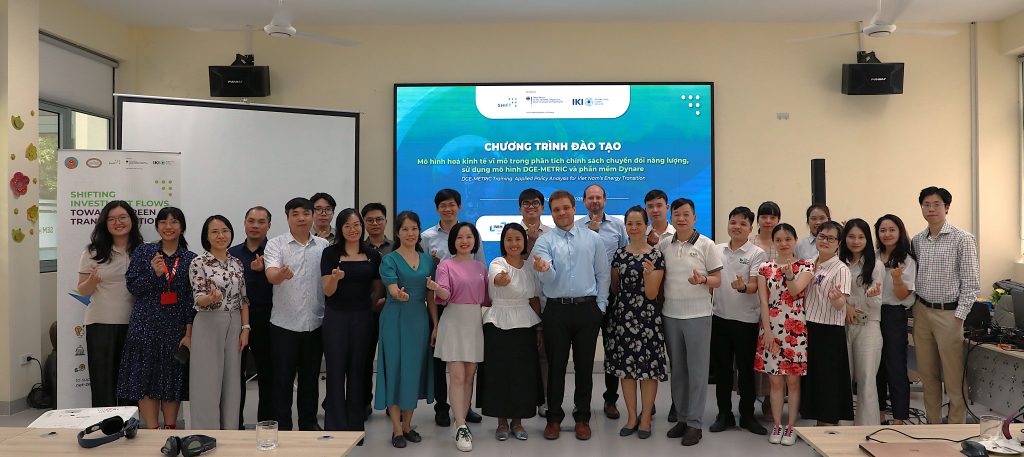
Basic Training Course (10–12 June 2026): “Macroeconomic Modelling for Energy Transition Policy Analysis using the DGE-METRIC Model and Dynare.”
DGE-METRIC (Dynamic General Equilibrium for Macroeconomic Energy Transition Incorporating Carbon Markets) is a large-scale dynamic general equilibrium model developed specifically for Viet Nam, based on the DGE-CRED (Dynamic General Equilibrium Model for Climate Resilient Economic Development) framework. The model enables the assessment of the macroeconomic impacts of climate policies, energy transition pathways, and carbon pricing mechanisms on key economic indicators, including gross domestic product (GDP), employment, investment, energy demand, public finance, greenhouse gas emissions, and other macroeconomic variables. By integrating energy transition pathways, emissions trading systems (ETS), and climate-related shocks, DGE-METRIC allows researchers and policymakers to analyse the interactions among energy transition, carbon markets, and the economic impacts of climate change.
The training programme was designed as a progressive capacity-building pathway, moving from foundational knowledge to advanced applications, with a strong emphasis on hands-on practice and the application of macroeconomic modelling to real-world policy challenges. The basic training course focused on equipping participants with a comprehensive understanding of the workflow for using the DGE-METRIC model, beginning with the installation and configuration of the modelling environment (Visual Studio Code, GitHub, and Dynare), familiarization with the model’s source-code structure, and an understanding of the logic underlying the model equations and transmission mechanisms. Participants were then guided through the process of formulating input assumptions, running simulation scenarios, and interpreting modelling results. They learned how to analyze key macroeconomic indicators-including GDP, investment, consumption, energy demand, greenhouse gas emissions, and public finance and assessed the impacts of different energy transition pathways based on the Revised Power Development Plan VIII, including the Baseline, Net-Zero, Energy Efficiency, and Green Financing scenarios. Group exercises required participants not only to compare simulation outcomes but also to translate quantitative findings into evidence-based policy recommendations.
Building on this foundation, the advanced training course shifted the focus from operating the model to developing and adapting it for more specialized policy analysis. Participants were trained to identify and calibrate model parameters, formulate and validate modelling assumptions, modify the model structure to reflect changes in policy settings or real-world conditions, and assess the robustness of simulation results through consistency checks and sensitivity analysis. The programme also introduced collaborative model development using GitHub, source-code version control, and the integration of Visual Studio Code with AI assistants to support coding, debugging, source-code interpretation, and more efficient scenario development. Through a series of advanced practical exercises, participants progressively developed the capacity to design their own simulation exercises, extend the model structure to suit their areas of expertise, and translate quantitative modelling outputs into evidence for research, policy advisory work, and policymaking. This represents the programme’s distinguishing feature: rather than simply training model users, it aims to cultivate a pool of professionals capable of developing, calibrating, and applying the model to address energy transition policy challenges in the context of Viet Nam.
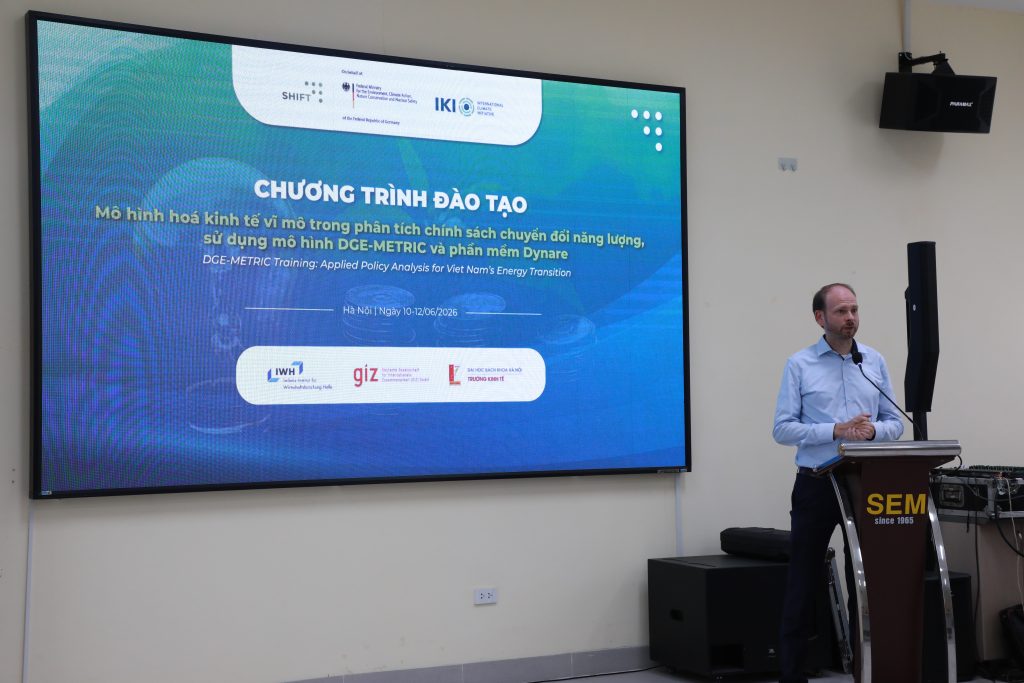
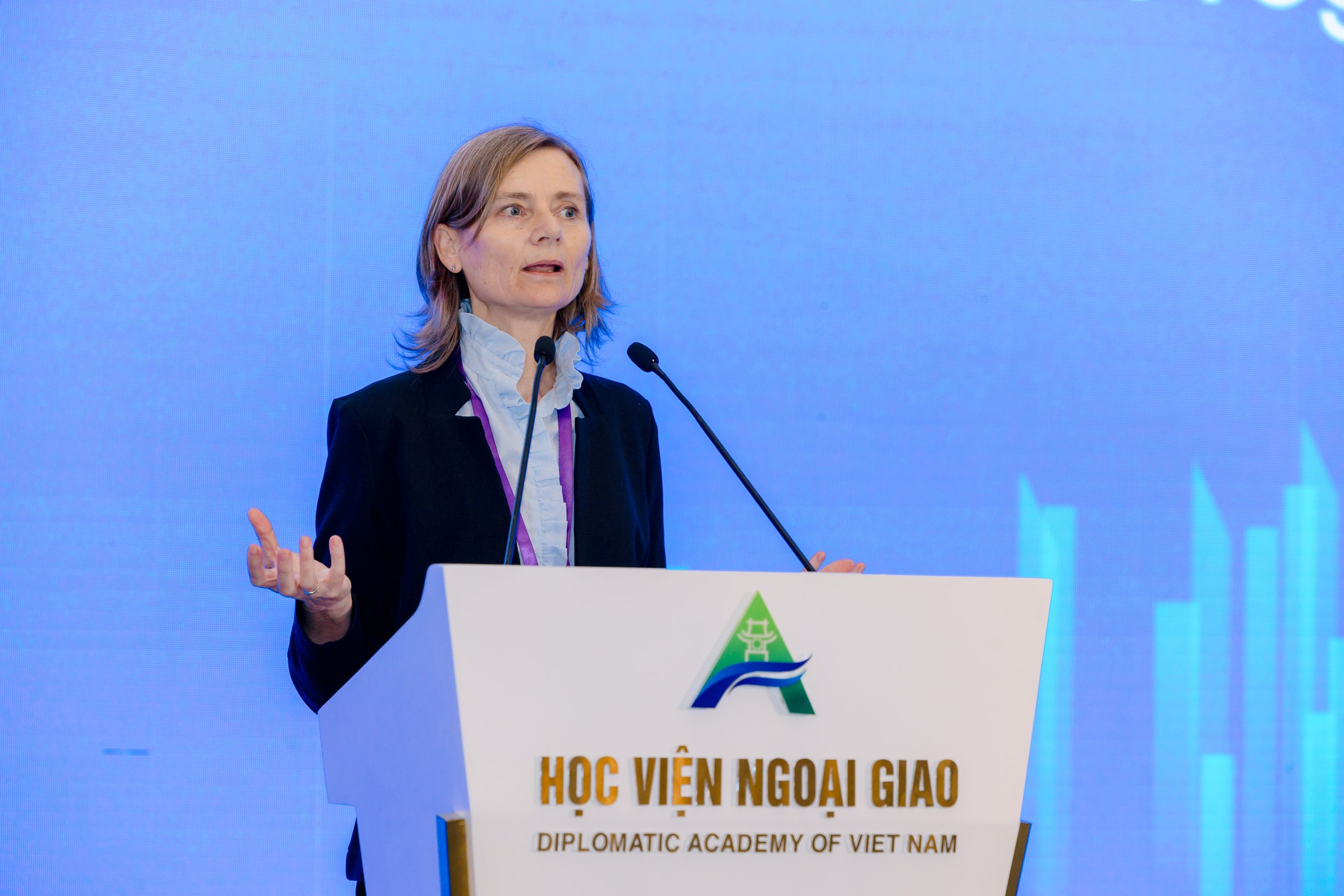
Mr. Joscha Albert, representative of the SHIFT Project (GIZ), delivering remarks at the training programme. Photo: GIZ.
Mr. Joscha Albert, representative of the SHIFT Project (GIZ), remarked: “Energy transition, economic development, and climate action are closely interconnected. Through this training programme, participants not only acquire practical skills in macroeconomic modelling but also have the opportunity to engage with experts from diverse disciplines. This provides an important foundation for designing effective energy transition policies while supporting Viet Nam in identifying investment gaps and financing solutions for its green transformation.”
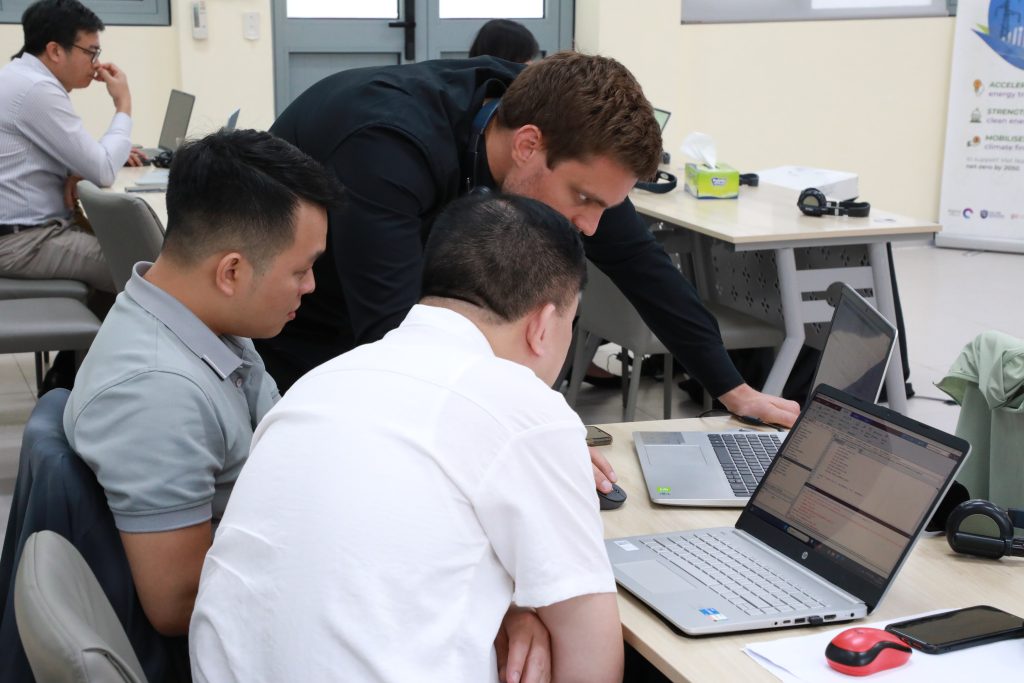
Dr. Christoph Schult guiding participants in the application of the DGE-METRIC model and Dynare software. Photo: GIZ.
Following the completion of both training courses, the programme has contributed to establishing a network of researchers, policymakers, and energy experts equipped to apply advanced macroeconomic modelling tools in the analysis and formulation of energy transition policies. It has also strengthened collaboration among government agencies, research institutes, universities, and organizations in the energy sector, thereby promoting the wider adoption of evidence-based analytical approaches to support Viet Nam’s energy transition.
Reflecting on his experience of participating in both training courses, Pham Quy Ngoc from the Vietnam Petroleum Institute (VPI) shared:
“Against the backdrop of global uncertainties affecting the energy sector, the training provided me with a comprehensive understanding of the country’s most pressing challenges – from optimizing energy use within the macroeconomy to ensuring energy security. Achieving double-digit GDP growth will require energy demand to grow at a comparable rate.”
Meanwhile, Ms. Nguyen Tra My, who is currently studying and working at Hanoi University of Science and Technology (HUST), particularly appreciated the programme’s integration of AI tools into the modelling process:
“In my field, modelling has already become a common approach, but integrating AI assistants into the workflow is still relatively new. I found AI extremely useful in supporting technical tasks, although users still need to verify the outputs and make the final decisions themselves. DGE-METRIC has also introduced me to a new top-down macroeconomic perspective that I hope to apply in my future work.”
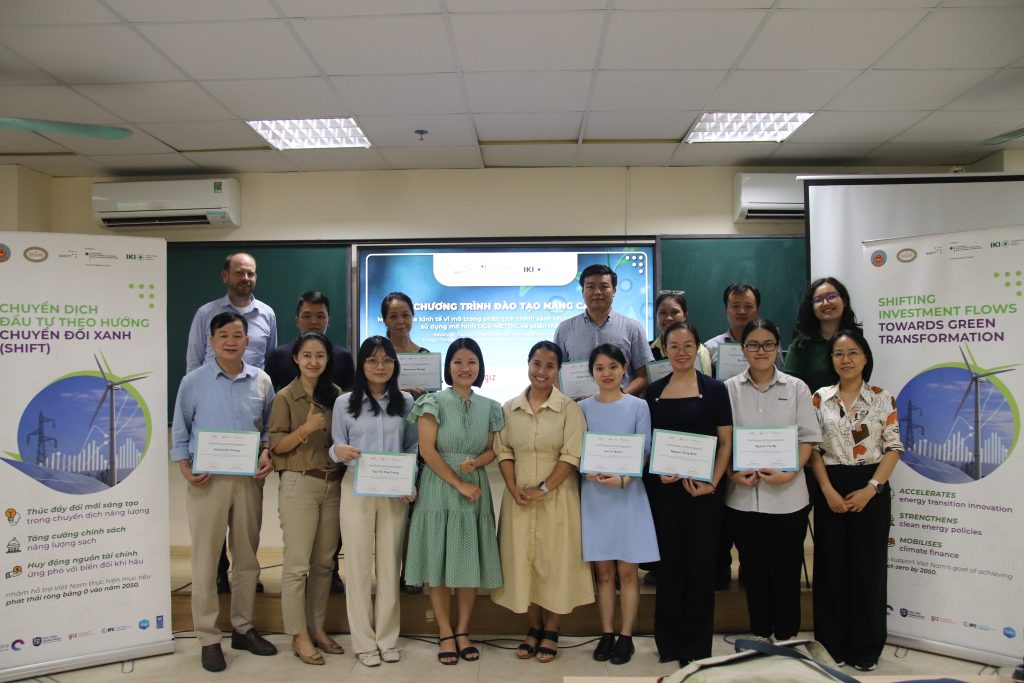
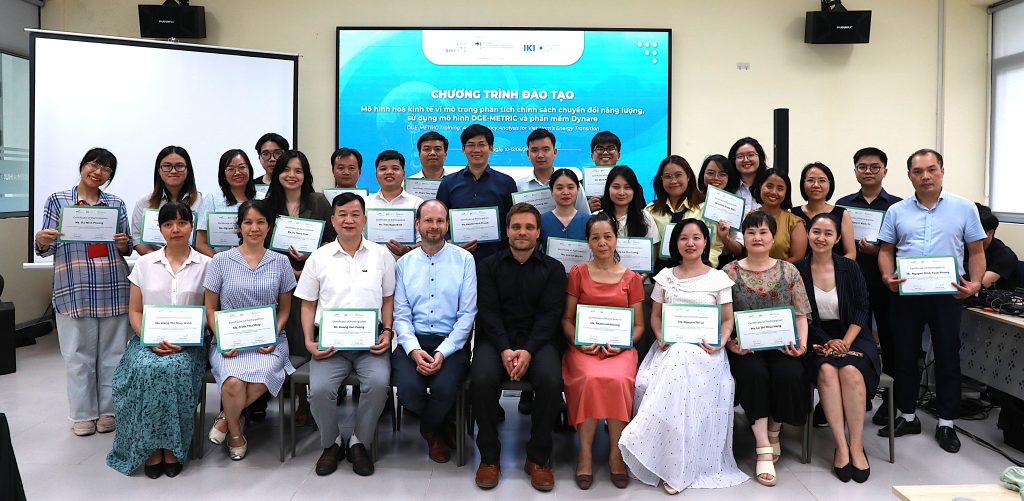
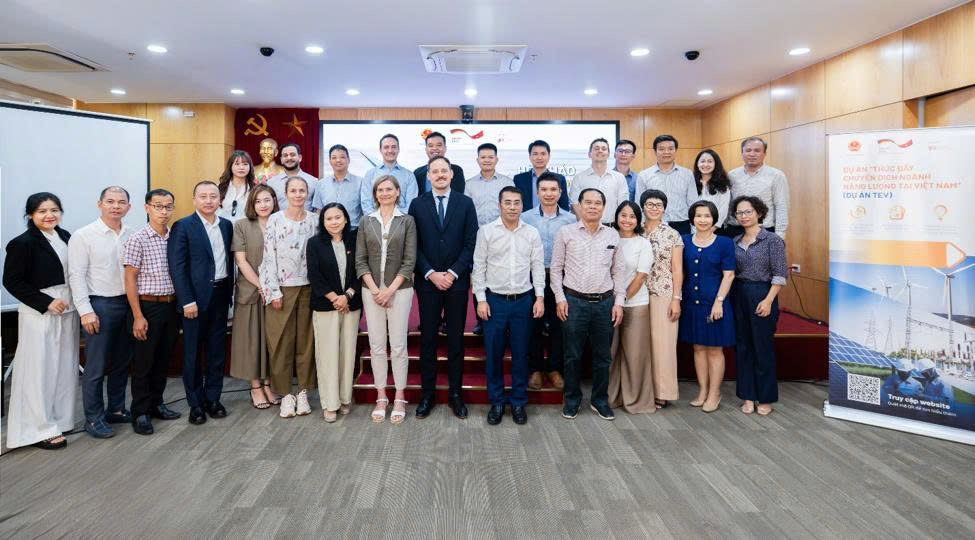
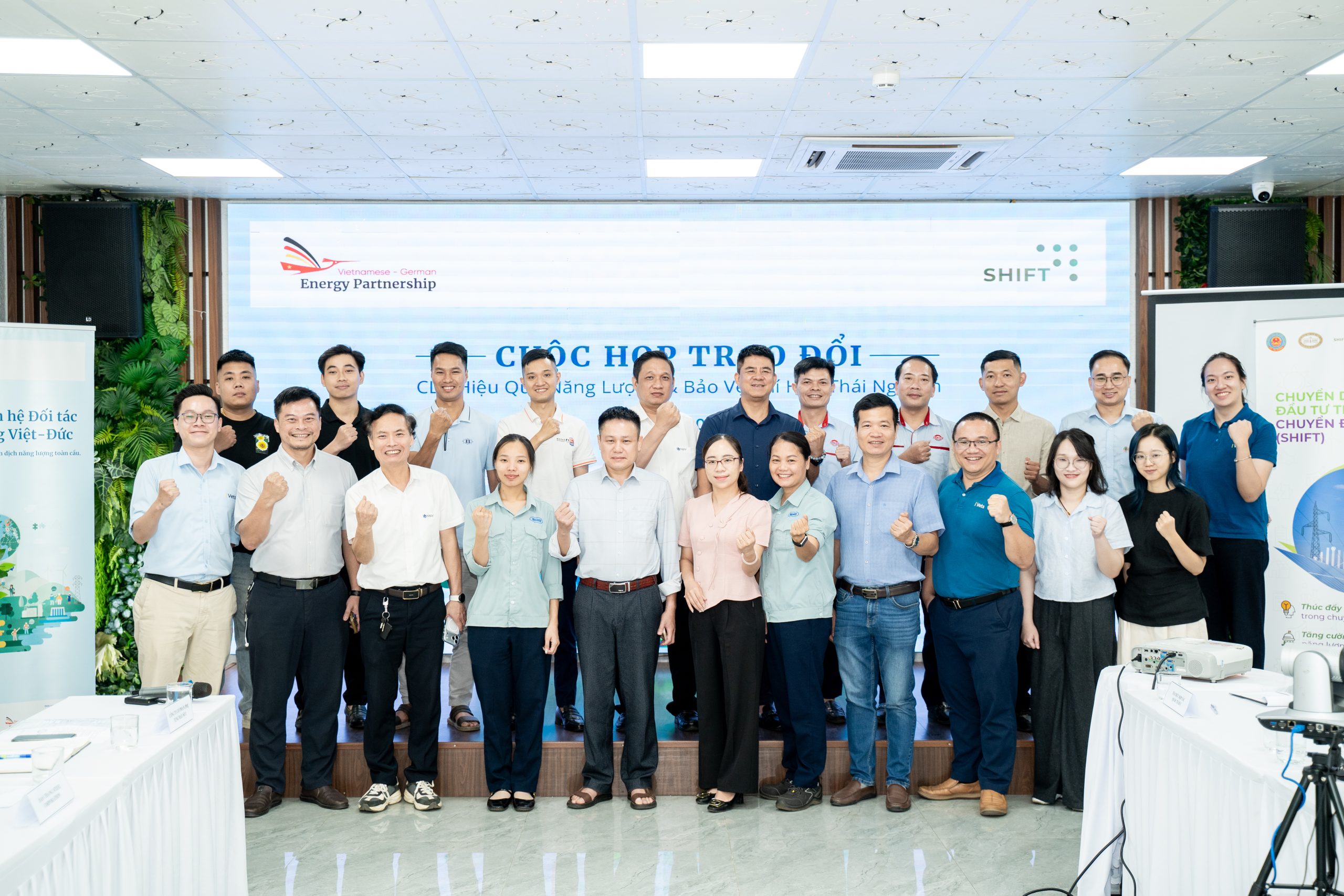
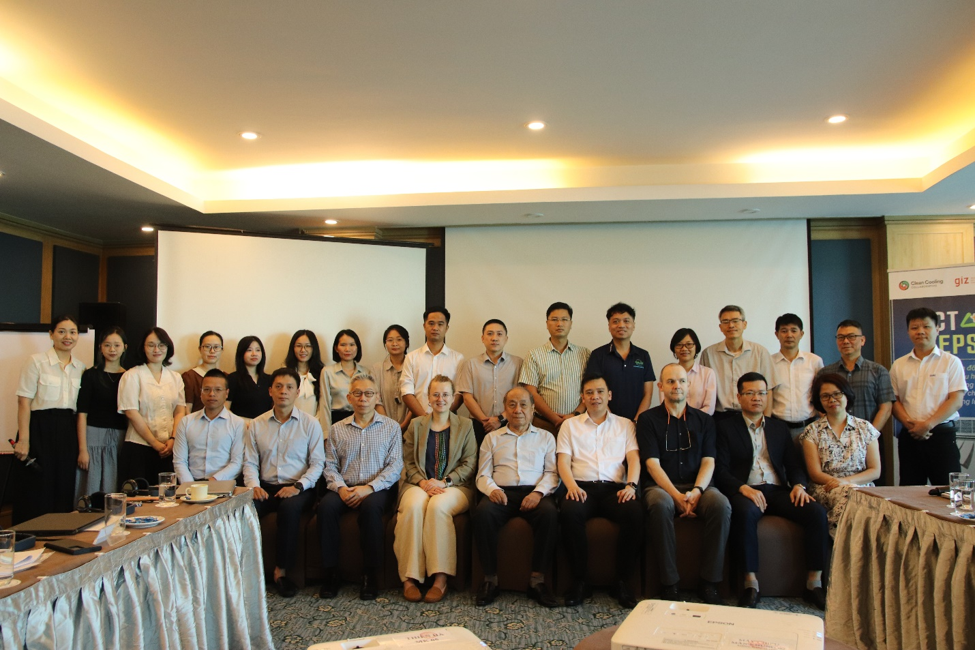
Participants of the Advanced Training Course (22–24/6/2026) on “Macroeconomic Modelling for Energy Transition Policy Analysis using the DGE-METRIC Model and Dynare.”. Photo: GIZ.
Overall, the two training courses have helped build an expanding network of Vietnamese researchers, policymakers, and energy experts capable of applying advanced macroeconomic modelling tools to support evidence-based energy transition policymaking. Beyond strengthening participants’ technical capacities, the programme has fostered collaboration among government agencies, research institutions, universities, and energy-sector organizations, thereby advancing the application of evidence-based analytical approaches in Viet Nam’s transition toward a low-carbon and sustainable economy.
Through the SHIFT Project, GIZ and its partners will continue to support capacity development and knowledge exchange, ensuring that policymakers and researchers have access to advanced analytical tools to better understand the complex interactions among energy transition, economic development, and climate change, and to support evidence-based decision-making throughout Viet Nam’s green transition.
As part of the SHIFT (ESP – GIZ) project’s commitment to contributing to Viet Nam’s energy transition, comprehensive documentation on the DGE-METRIC model, together with the model itself, will be made openly accessible in the coming months to support evidence-based research, policy analysis, and capacity development.