This is one of the key questions that researchers and policymakers are increasingly seeking to answer through advanced macroeconomic modelling tools.
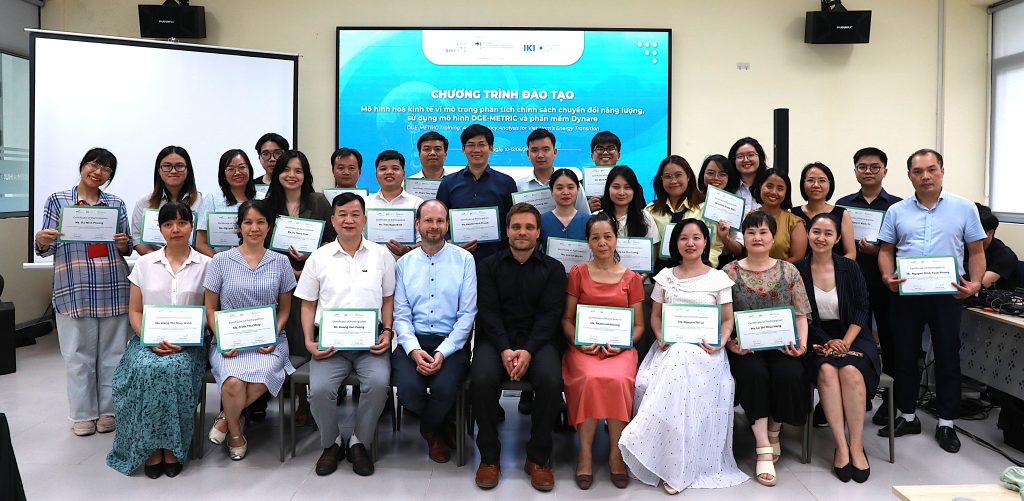
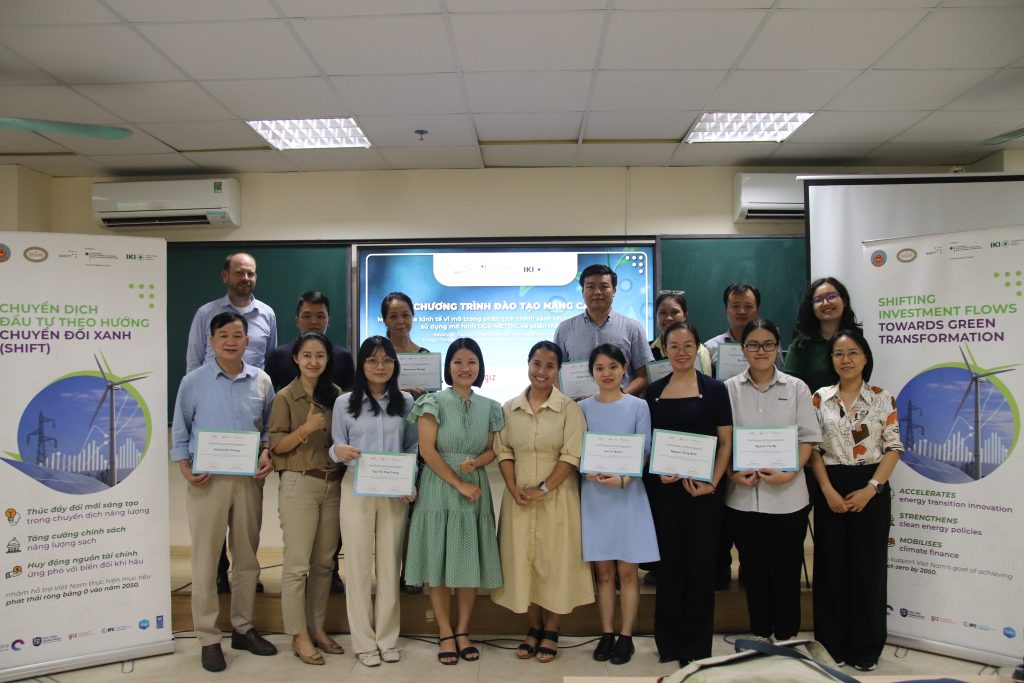
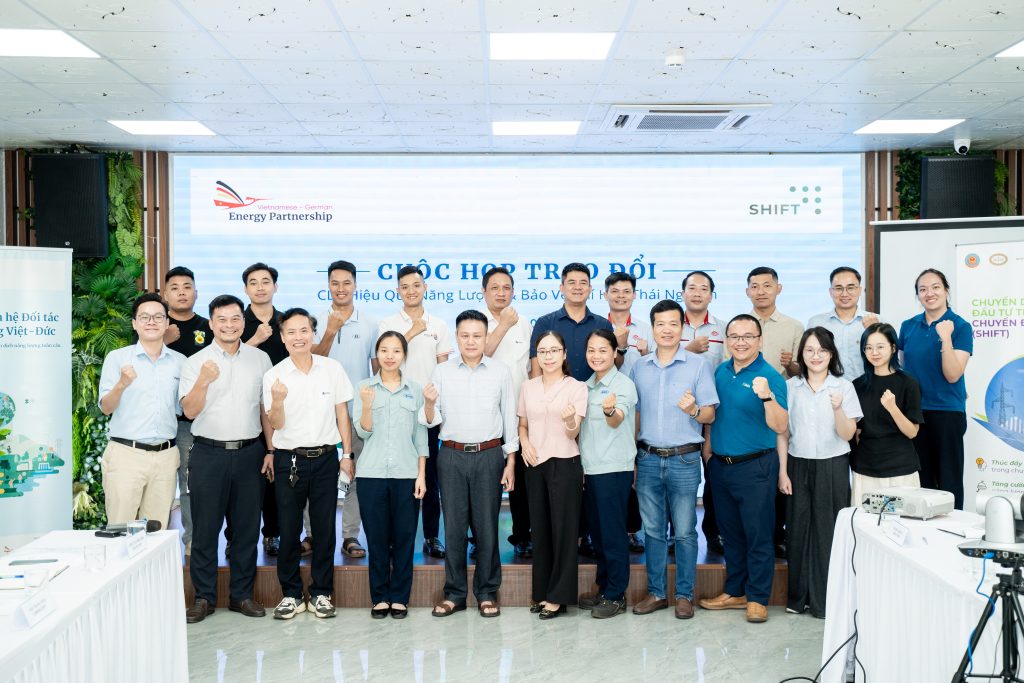
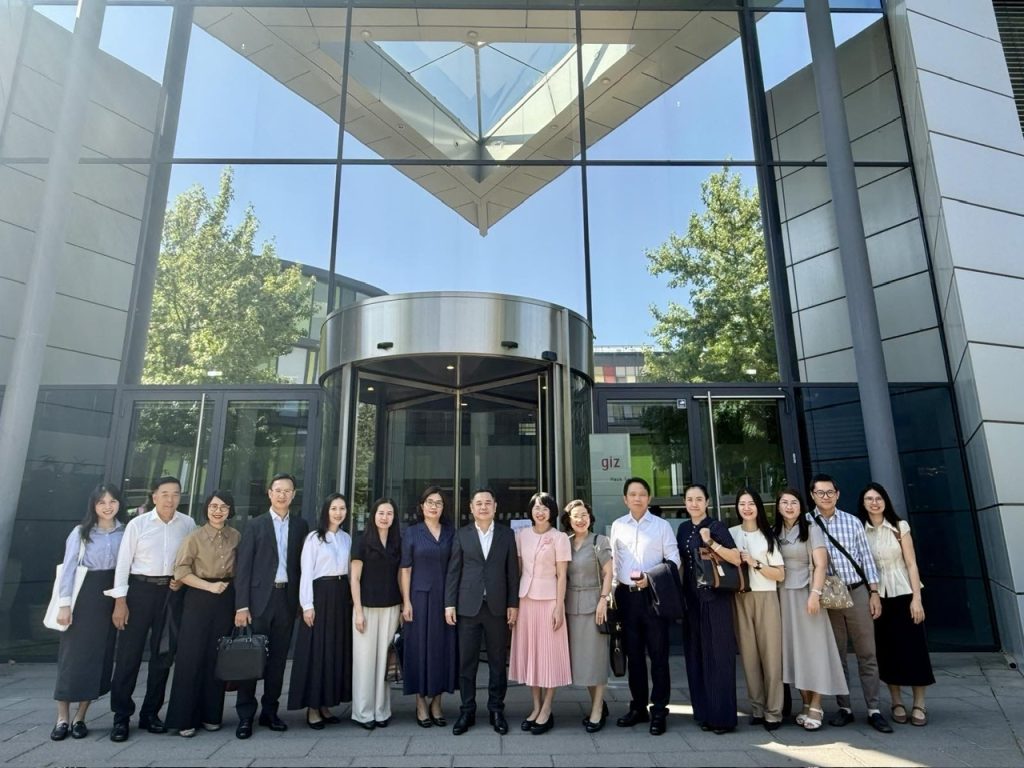
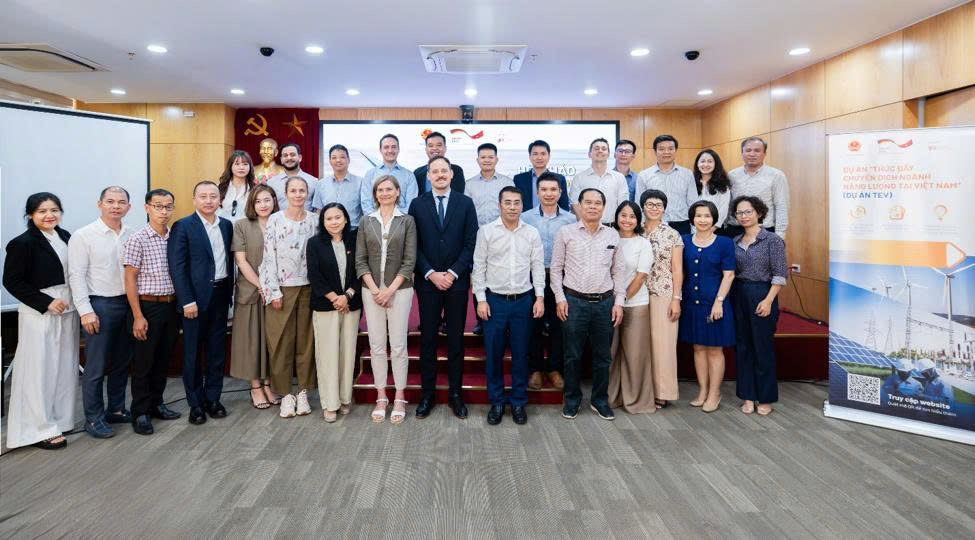
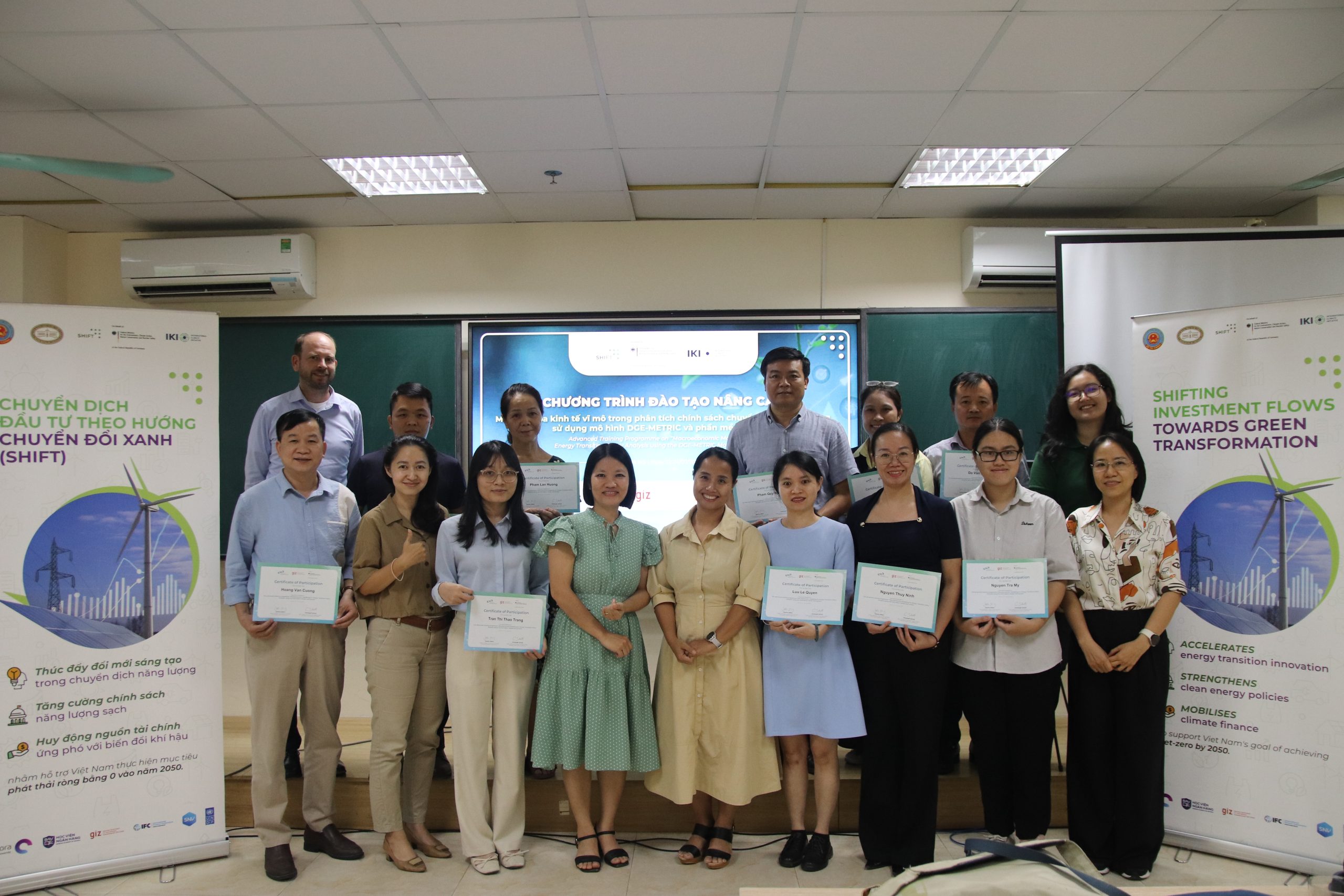
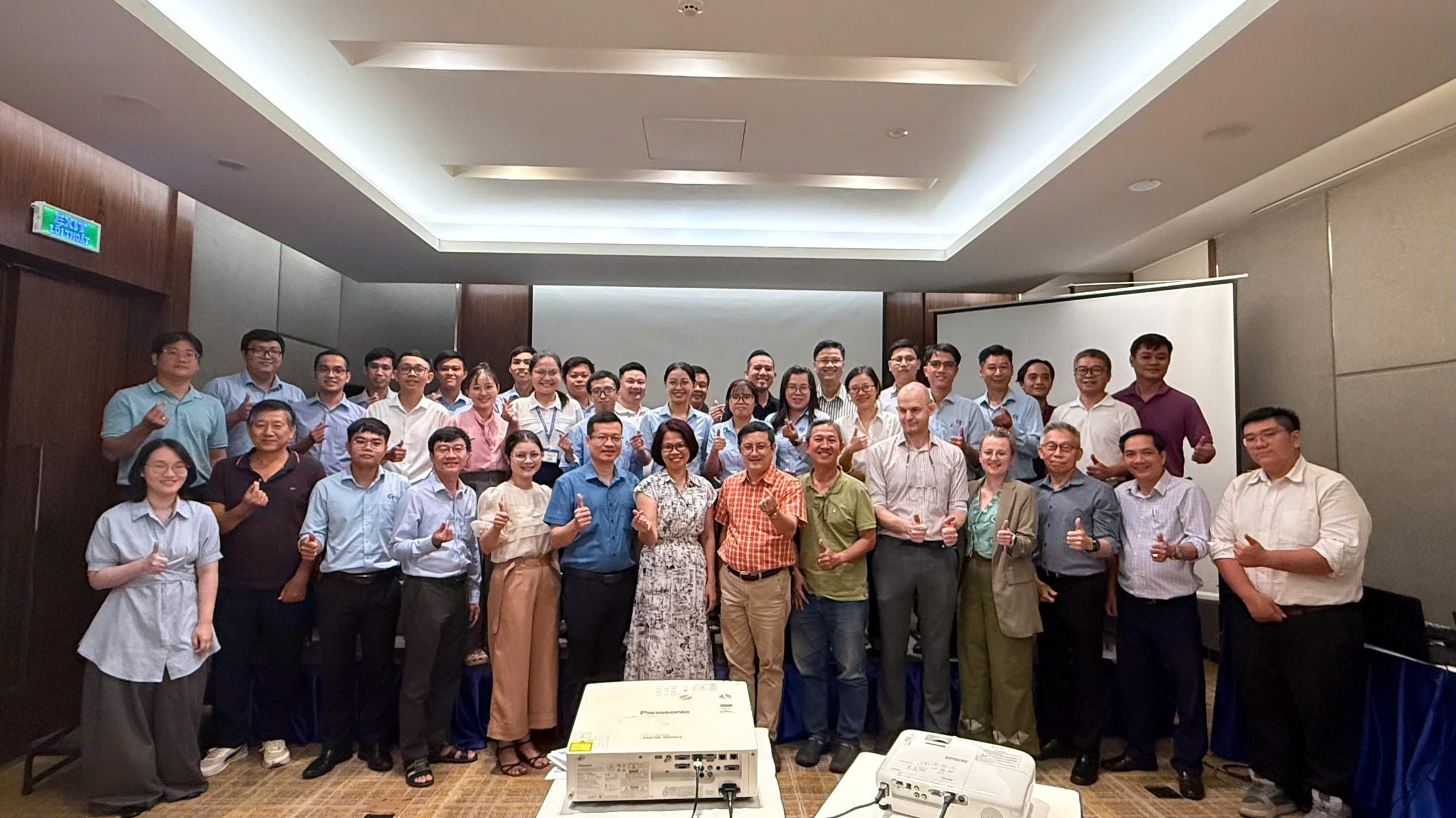
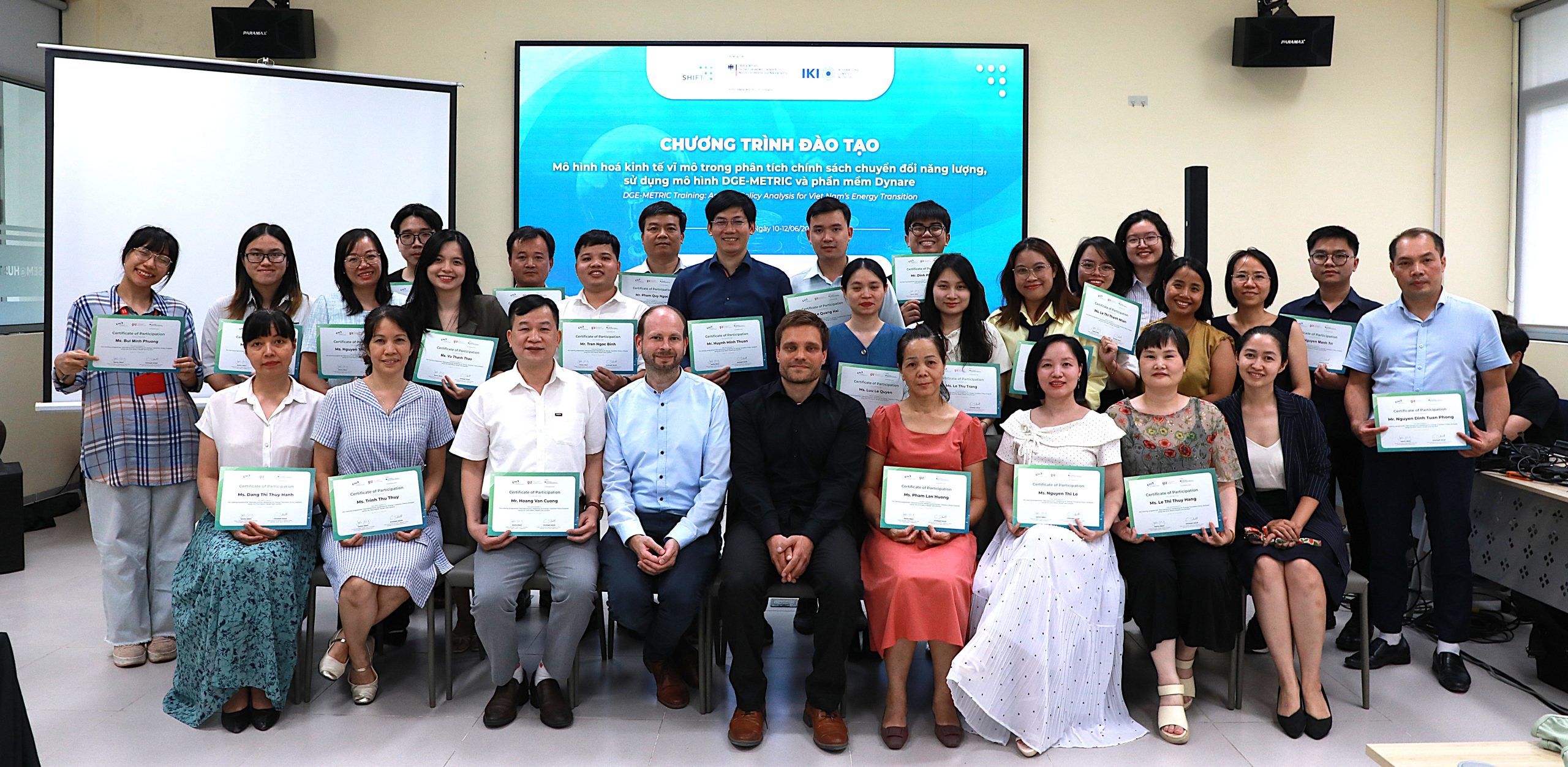
From 10-12 June 2026, 34 participants from government ministries, research institutes, universities, and organizations working in the energy and economic sectors attended the training programme “Macroeconomic Modelling for Energy Transition Policy Analysis using the DGE-METRIC Model and Dynare”. The course training was jointly organized by GIZ, the Halle Institute for Economic Research (IWH), and Hanoi University of Science and Technology (HUST) through the Shifting Investment for Green Transformation (SHIFT) project, funded by the German Federal Ministry for the Environment, Climate Action, Nature Conservation and Nuclear Safety (BMUKN).
A key highlight of the training was the DGE-METRIC model, a large-scale dynamic general equilibrium (DGE) model specifically developed for Viet Nam. The model enables users to assess the economy-wide impacts of climate policies, energy transition pathways, and carbon pricing mechanisms.
Rather than focusing solely on the energy sector, DGE-METRIC captures the interactions among energy investments, carbon markets, economic growth, and climate change impacts. This allows policymakers to evaluate and compare alternative energy development scenarios before making policy decisions.
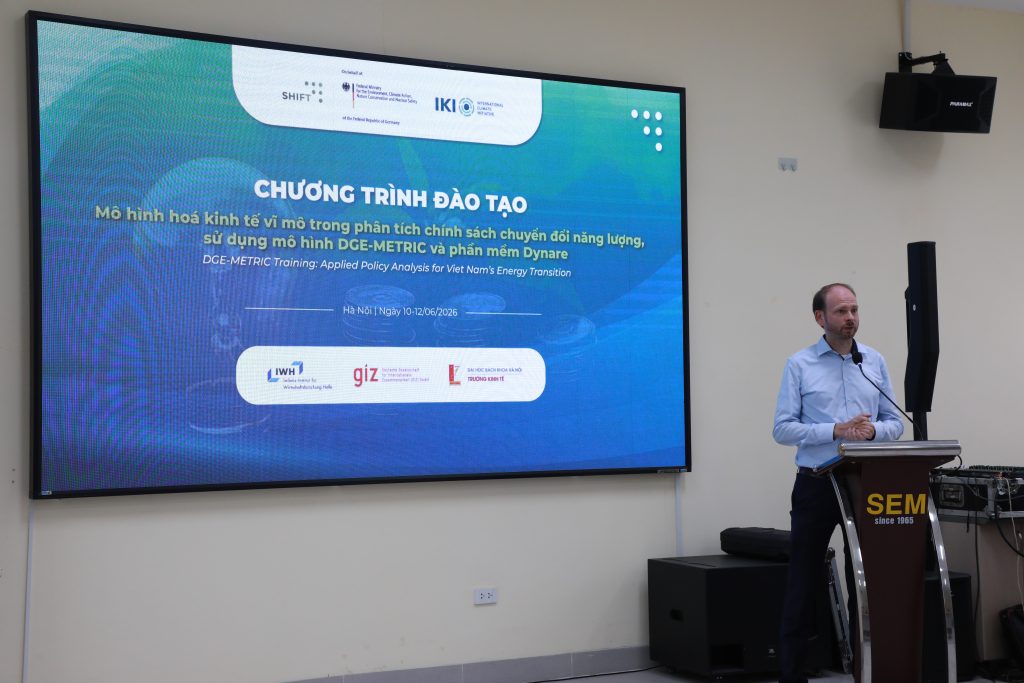
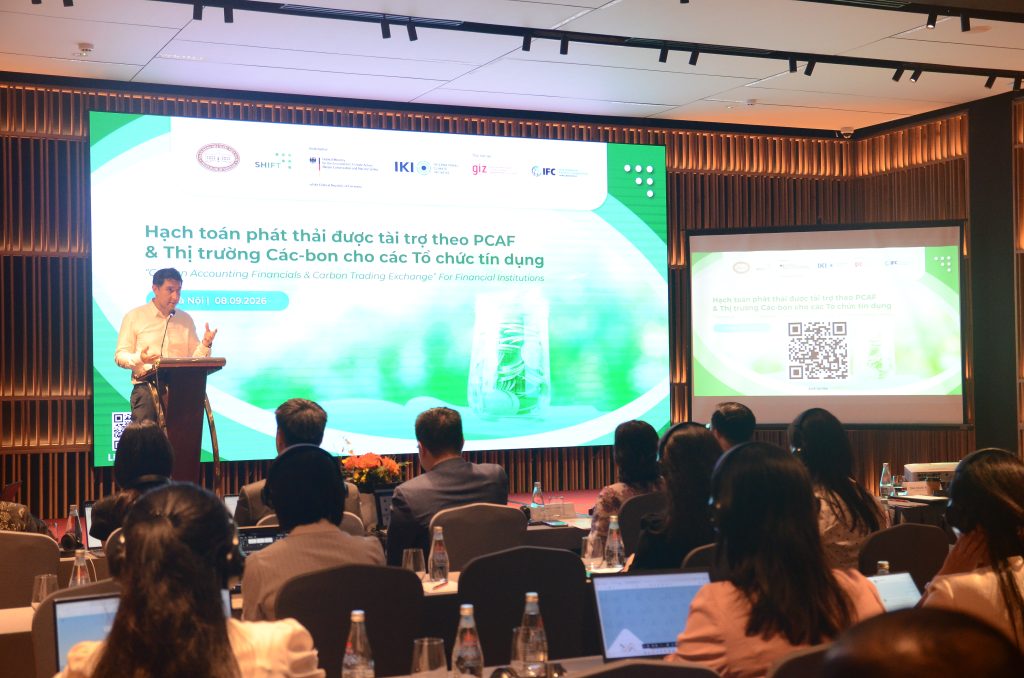
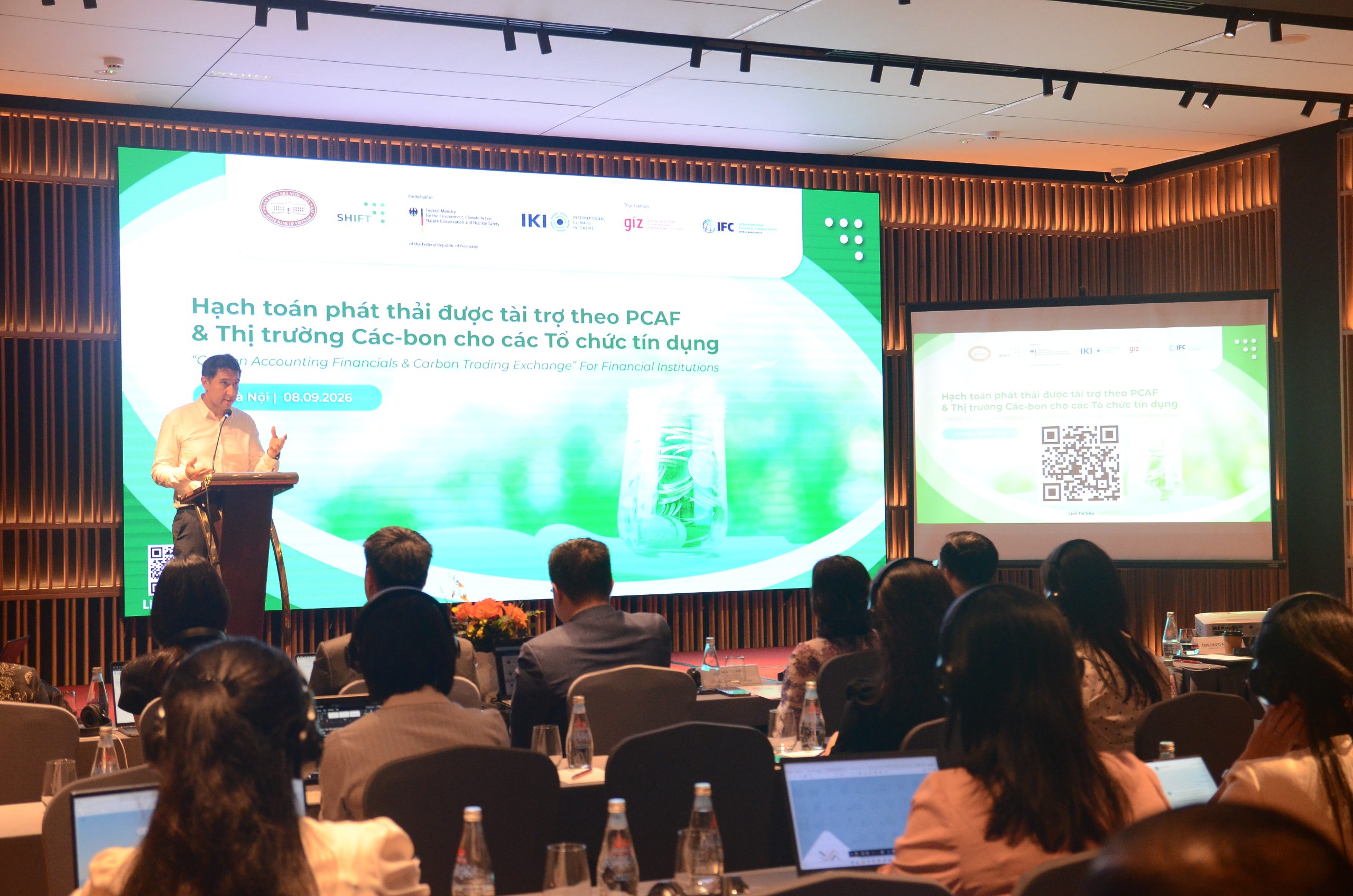
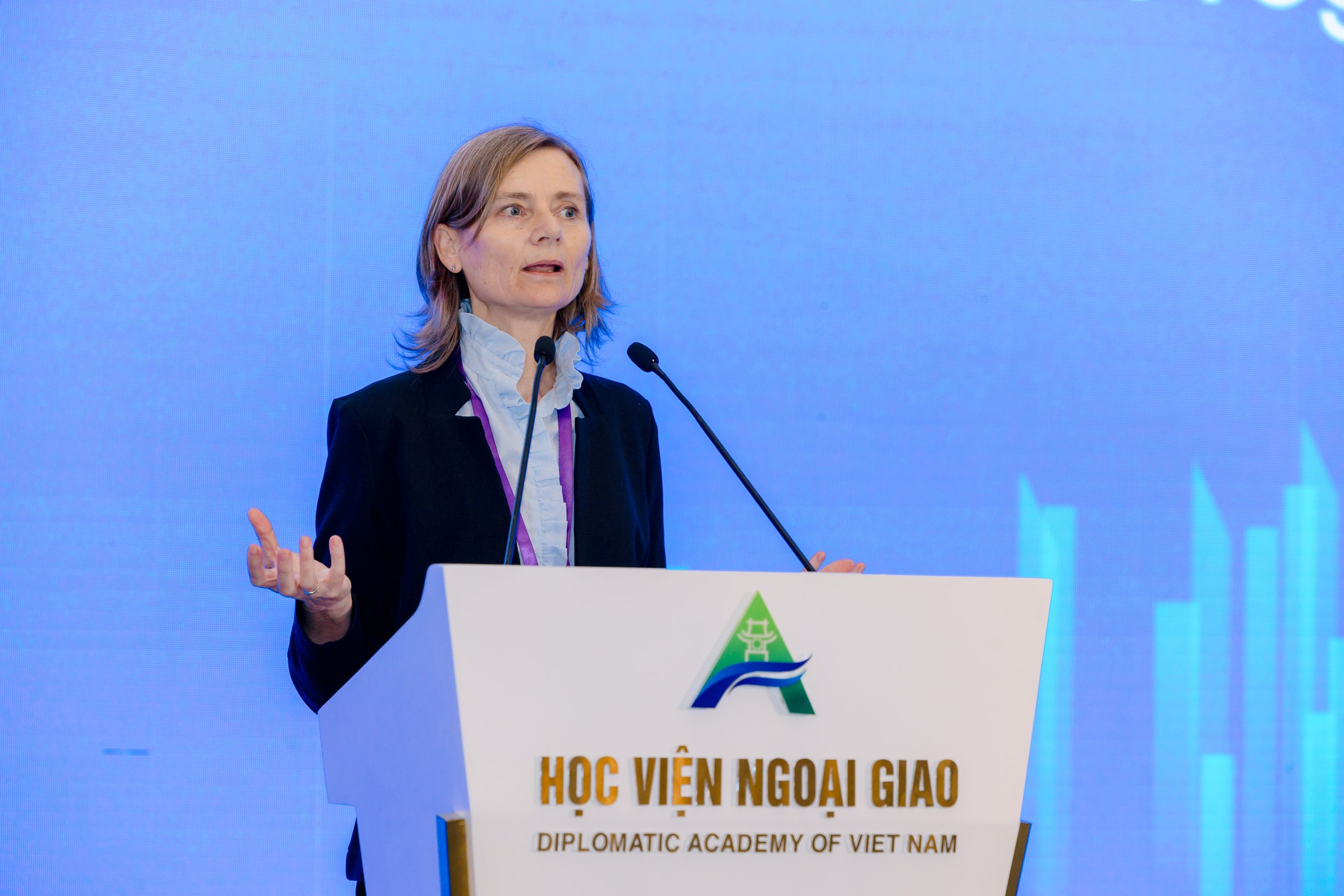
Joscha Albert, representative of the SHIFT Project (GIZ), delivering remarks at the training programme. Photo: GIZ.
Joscha Albert, representative of the SHIFT Project (GIZ), emphasized: “Energy transition, economic development, and climate action are closely interconnected. Through this training programme, participants not only acquire practical skills in macroeconomic modelling but also have the opportunity to engage with experts from diverse disciplines. Such collaboration is essential for designing effective energy transition policies and supporting Viet Nam in identifying investment gaps and financing solutions for its green transformation.”
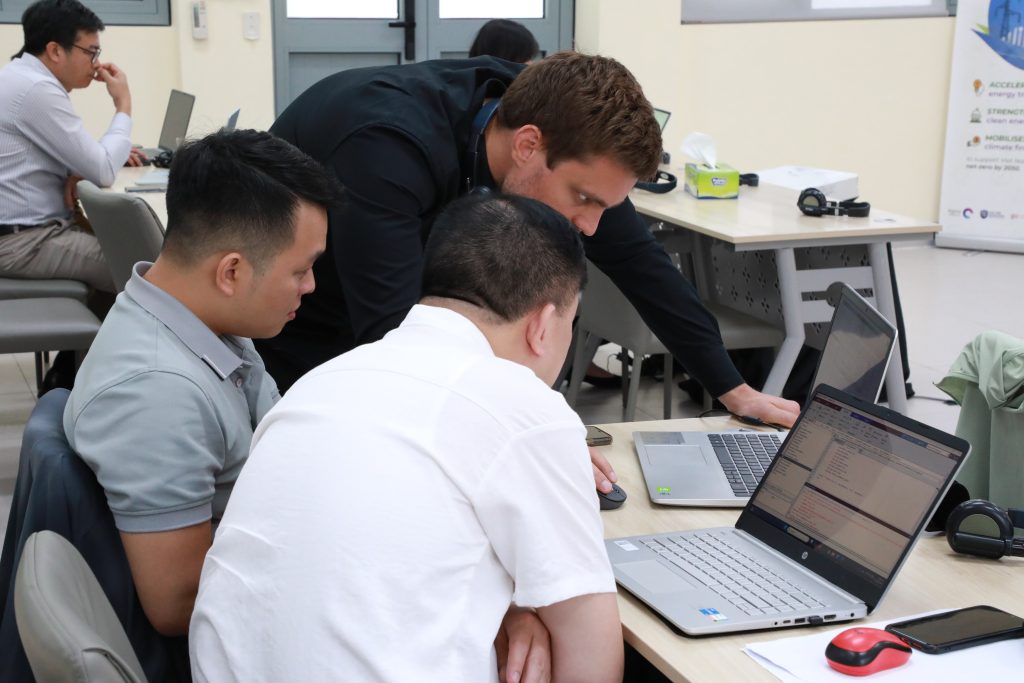
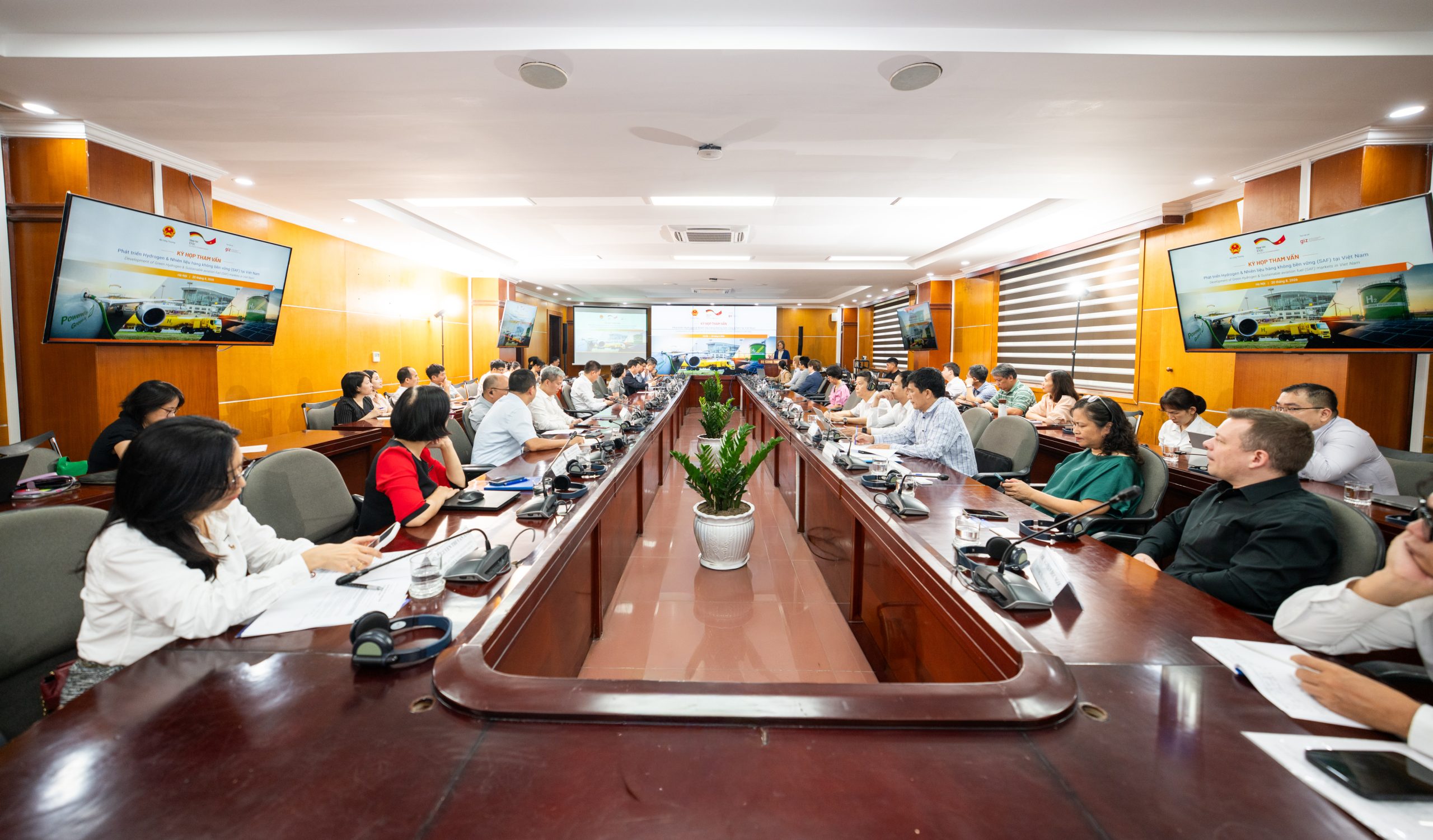
Dr. Christoph Schult guiding participants in the application of the DGE-METRIC model and Dynare software. Photo: GIZ.
Throughout the three-day programme, participants received hands-on instruction from Dr. Christoph Schult, a German expert in macroeconomic modelling and energy transition analysis. In addition to theoretical sessions, the training focused on practical exercises using Dynare and DGE-METRIC, enabling participants to develop and analyze energy transition scenarios for Viet Nam based on the Revised Power Development Plan VIII (Revised PDP8).
The programme also featured a special session on the outlook of Viet Nam’s energy sector, delivered by Dr. Nguyen Ngoc Hung, Head of the Energy Economics Department at the Institute of Energy. Participants discussed emerging trends, opportunities, and challenges facing the energy sector as Viet Nam advances its green growth agenda and pursues its net-zero emissions target by 2050.
Reflecting on his experience, Huynh Minh Thuan from the Viet Nam Petroleum Institute (VPI) noted: “What interested me most about this training was the opportunity to assess how energy policies affect Viet Nam’s GDP. For example, how would changes in petroleum consumption or adjustments in crude oil production, processing, and exports influence the broader economy? DGE-METRIC provides a much more comprehensive understanding of the linkages between the energy sector and economic growth.”
For Tran Ngoc Binh from the Viet Nam Energy Efficiency and Conservation Center (VNEEC), the programme offered a valuable new perspective on macroeconomic analysis: “I have experience working with data-processing software such as MATLAB, but this was my first exposure to macroeconomic models. Dr. Christoph clearly demonstrated how changes in key variables can affect the wider economy. This knowledge will help us better evaluate environmental and climate policies as Viet Nam pursues its development and energy transition objectives.”
Luu Le Quyen from the Viet Nam Academy of Science and Technology (VAST) highlighted the research value of DGE-METRIC: “Our work has primarily relied on partial equilibrium models that focus on the energy sector alone. What distinguishes DGE-METRIC is its ability to analyze the energy sector within the context of the entire economy. Combined with our existing research, the model would enable us not only to assess individual technologies but also to examine multiple energy technologies simultaneously and evaluate their overall economic impacts.”
The participants’ feedback highlights the growing demand for quantitative analytical tools in policymaking. The programme provided Vietnamese researchers and experts with practical exposure to advanced modelling methodologies, contributing to enhanced research quality and supporting the development of effective, sustainable, and evidence-based energy transition policies.