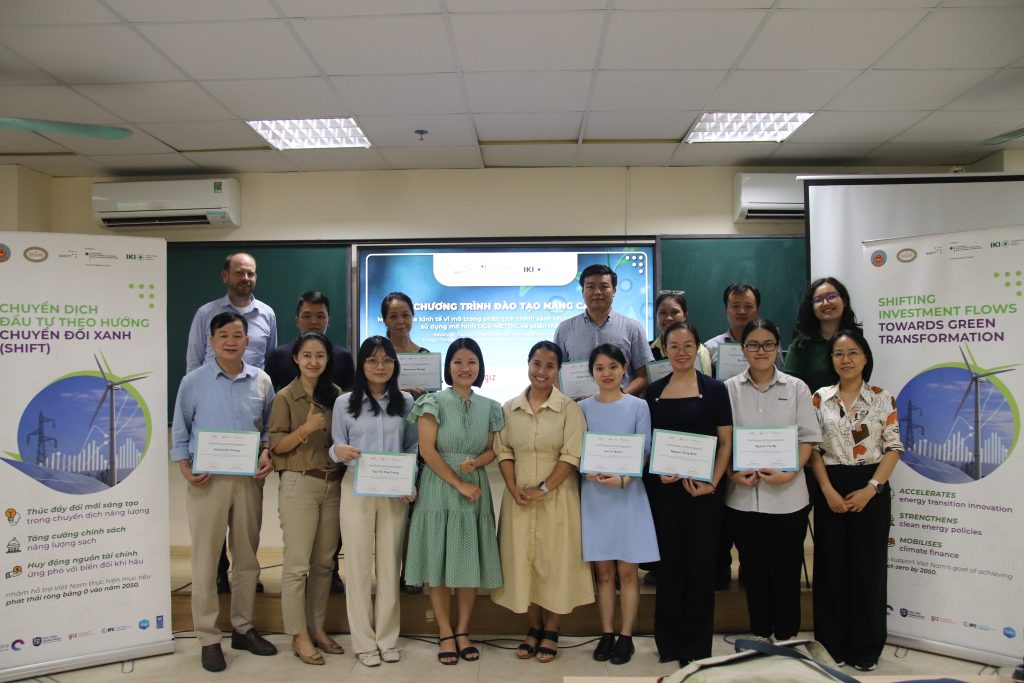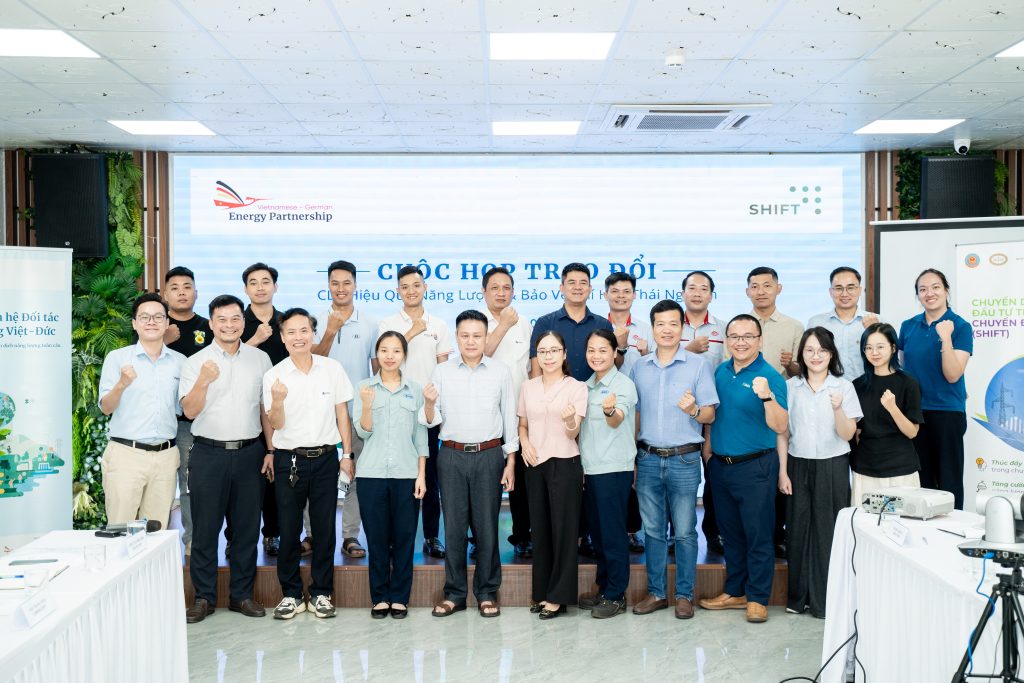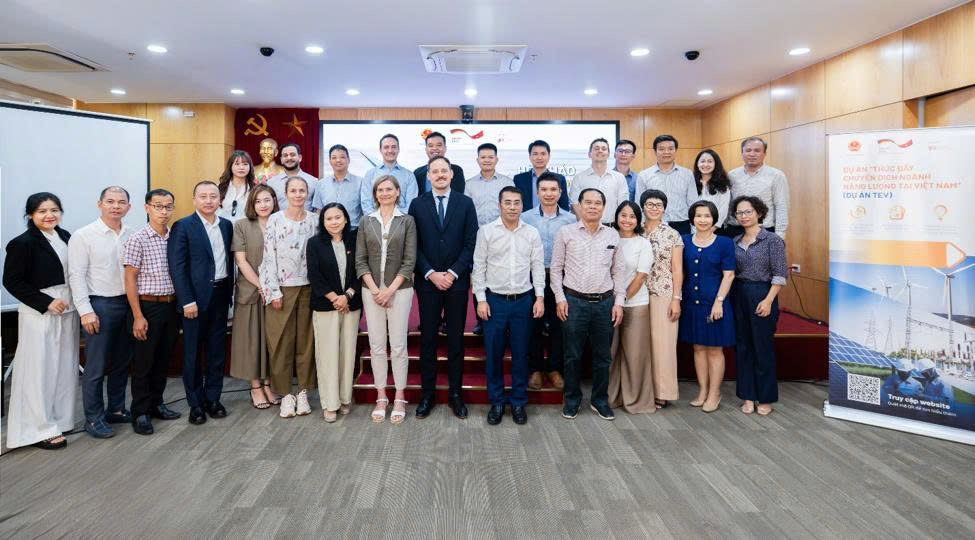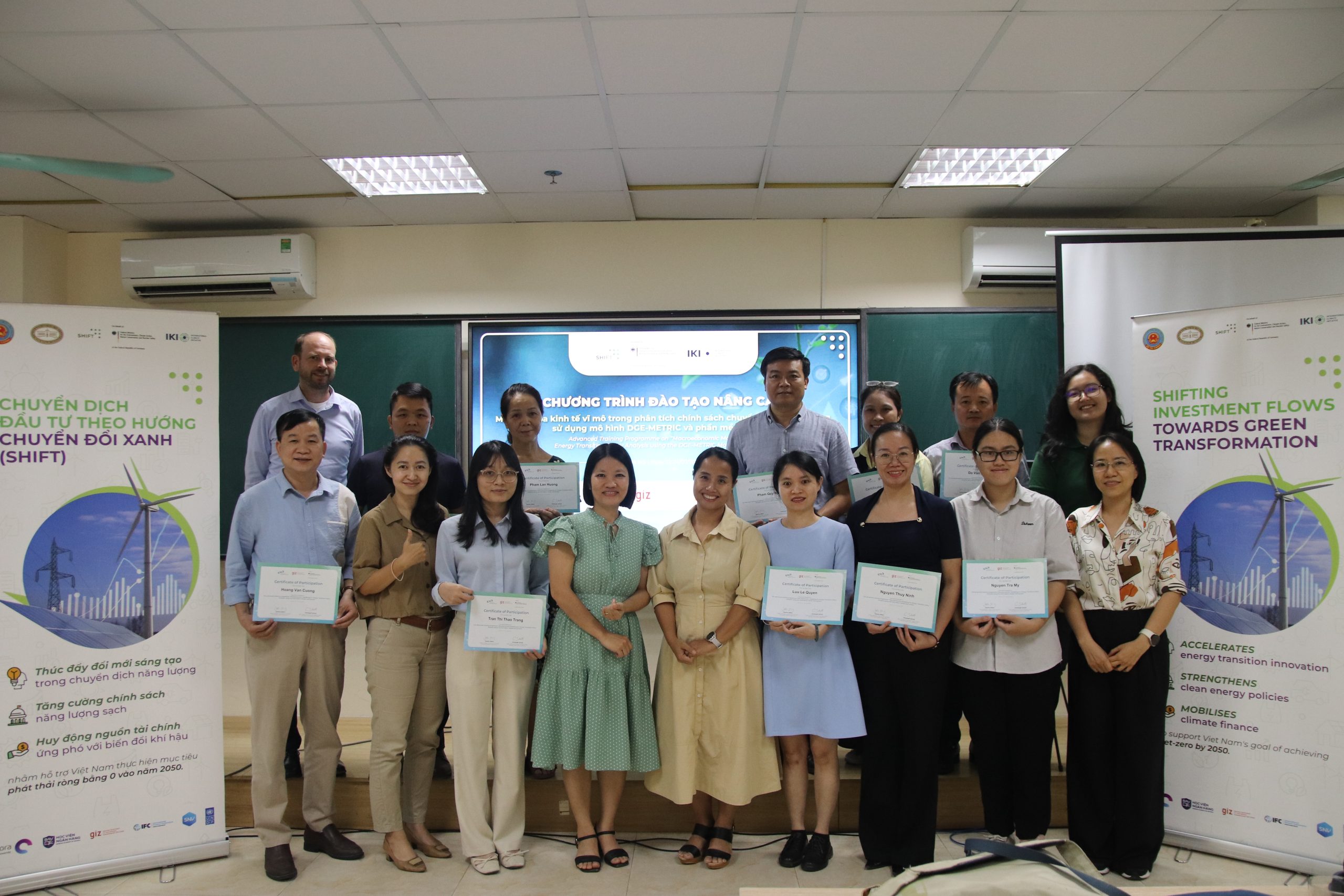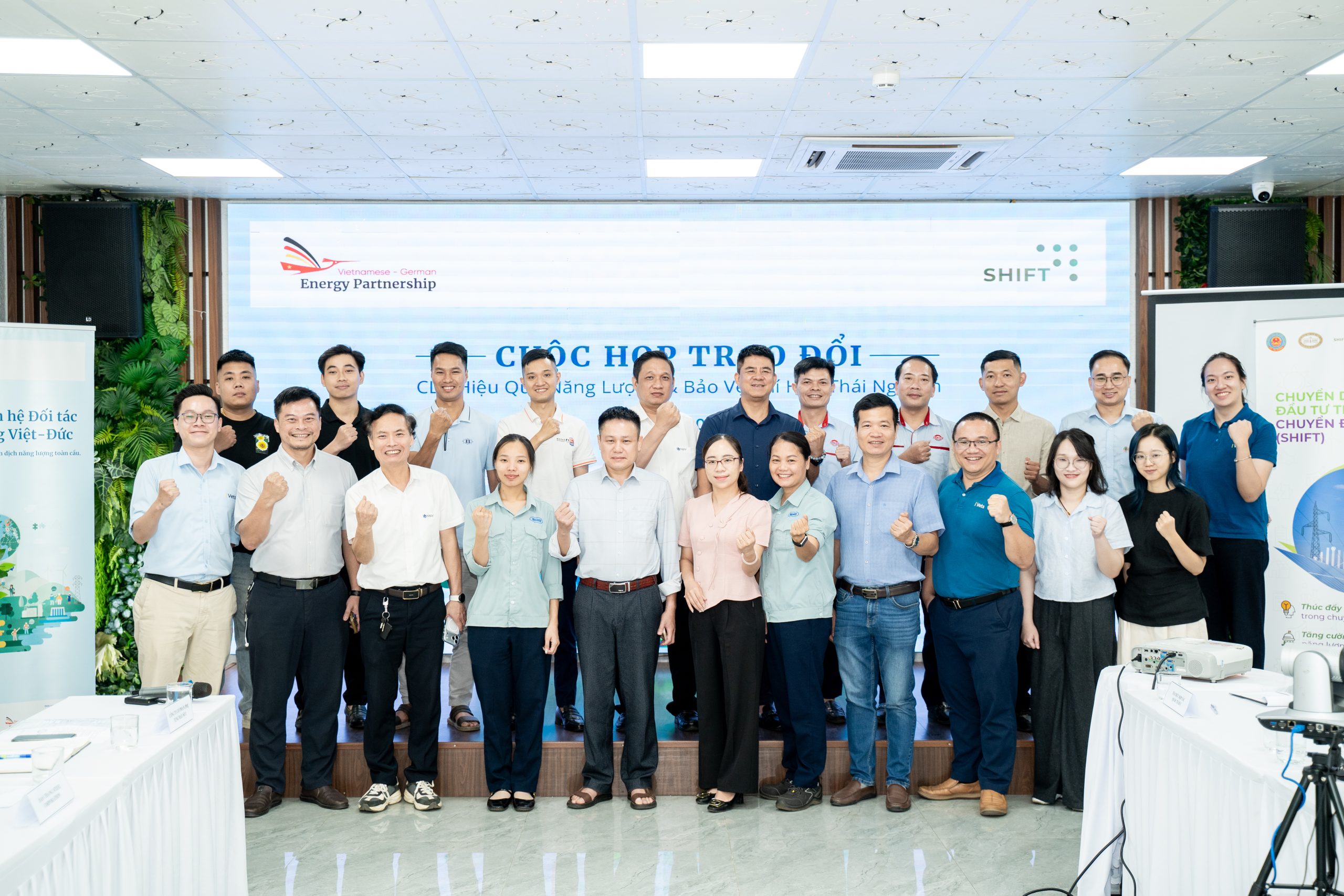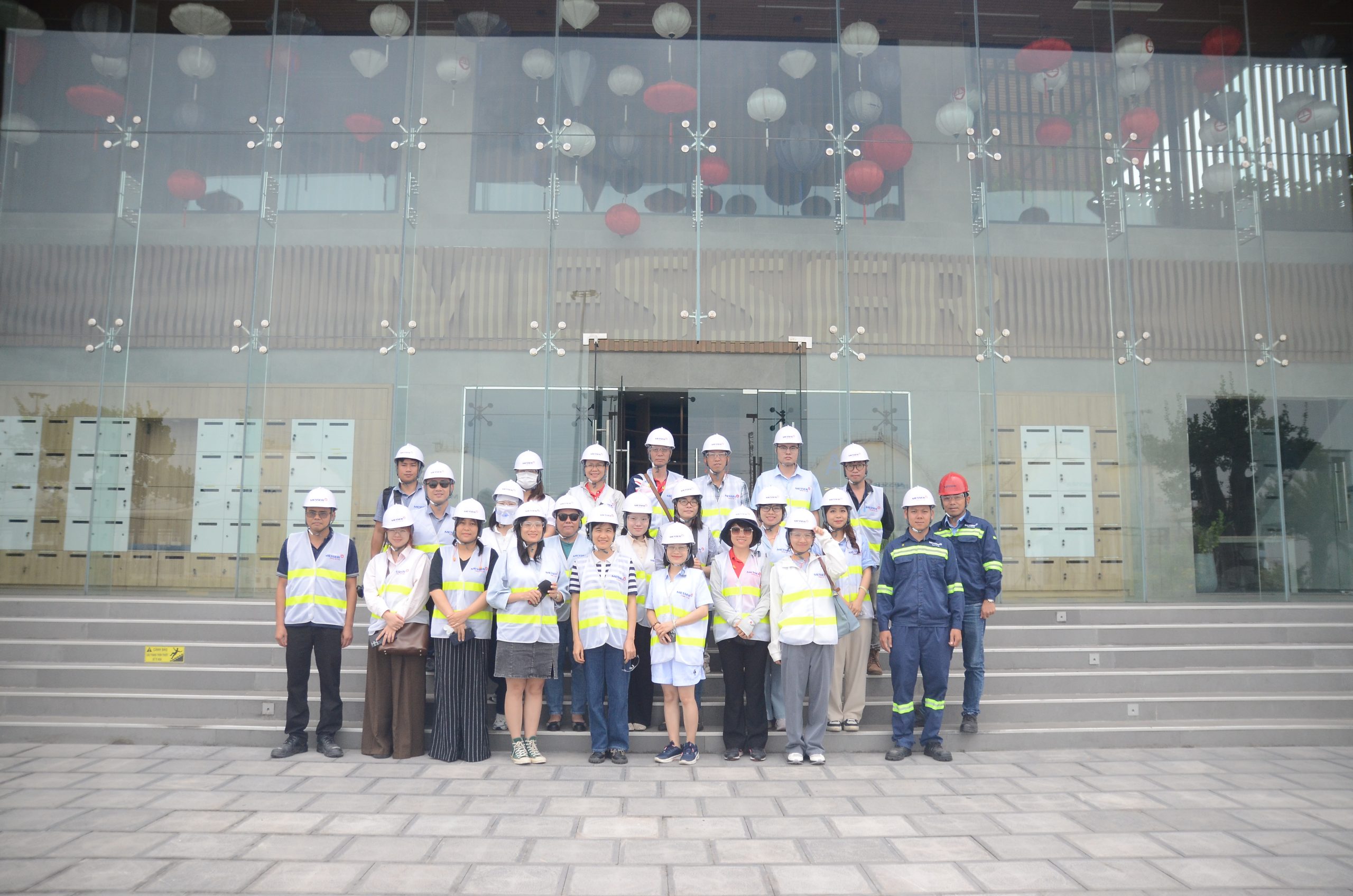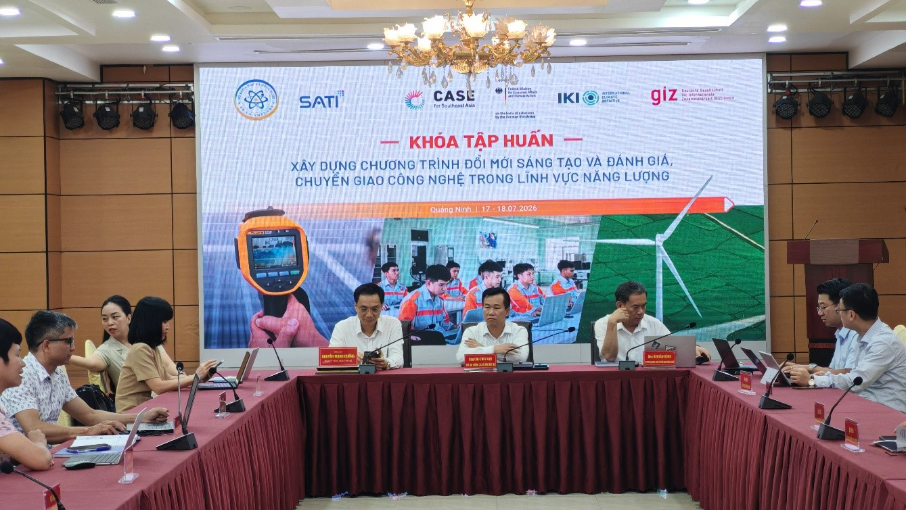
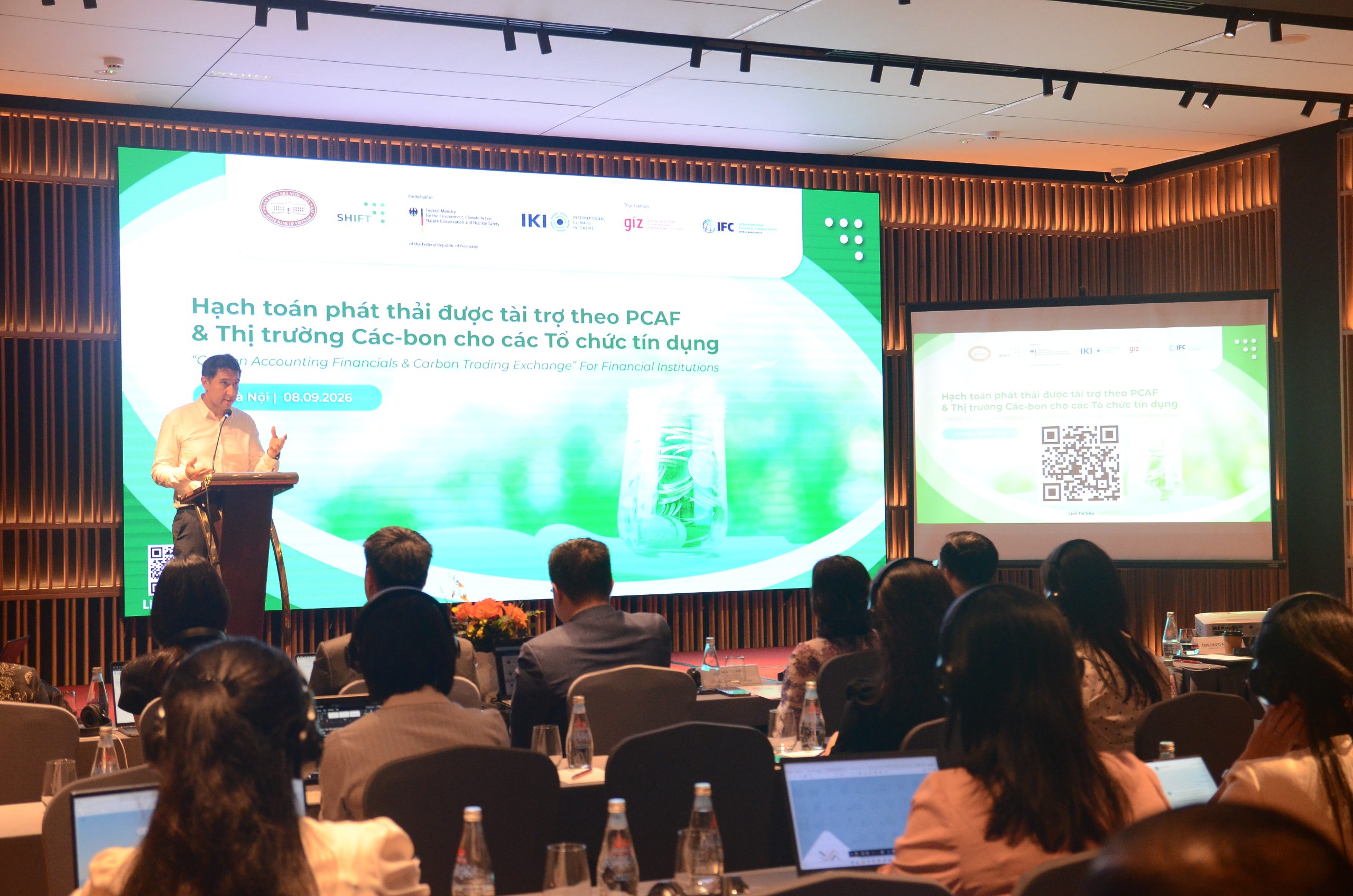
On September 8th in Ha Noi, the State Bank of Viet Nam (SBV) cooperated with GIZ and the International Finance Corporation to host the “Carbon Accounting Financials and Carbon Trading Exchange for Financial Institutions” training course. The programme brought together nearly 70 participants, including officials from relevant SBV units and specialists from nearly 20 credit institutions.
The training aimed to provide credit institutions with relevant knowledge and tools to measure emissions associated with lending and investment portfolios, while enhancing their understanding of the operating mechanisms of the carbon market and the role of the banking sector within it.
In his opening remarks, Mr. Phan Manh Cuong, Deputy Director General of the Personnel and Organization Department of the Vietnamese State Bank, stressed that the green transition and climate change response are increasingly critical requirements for Viet Nam’s socio-economic development.
In recent years, the Government has gradually concretized these directions through various mechanisms and policies on green growth, green taxonomy, greenhouse gas emission reduction, and carbon market development. Particularly, 2026 marked significant strides in the finalization and implementation of the domestic carbon market’s mechanisms.
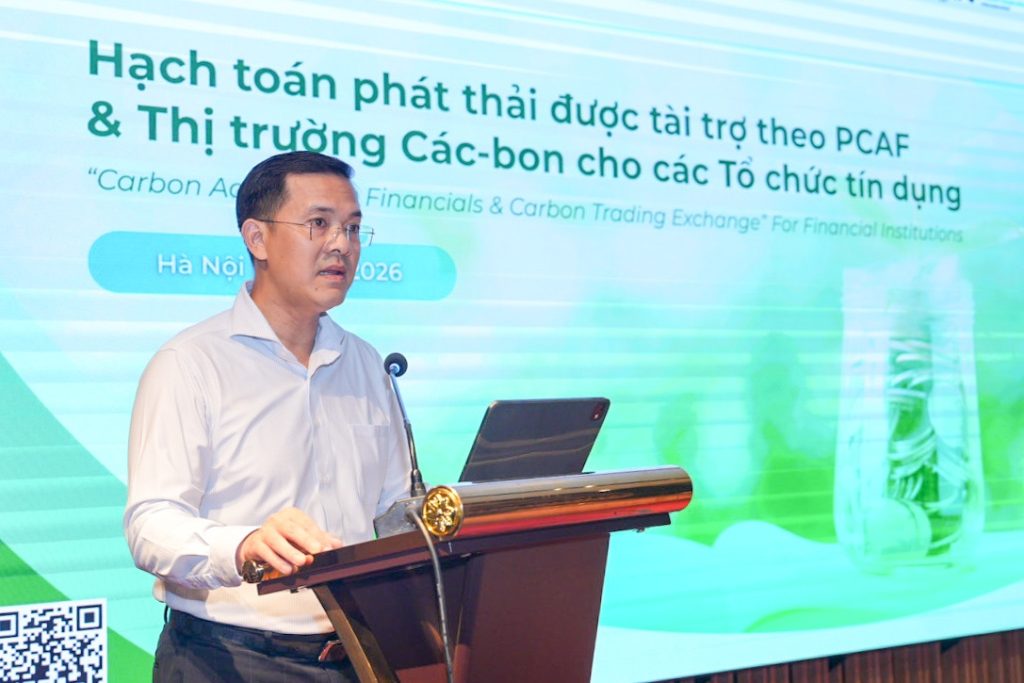
Phan Manh Cuong, Deputy Director General of the Personnel and Organization Department of the State Bank of Viet Nam, delivered his opening remarks. Photo: Hoang Giap.
These changes also set new capacity requirements for banking professionals. While the focus was previously placed primarily on mobilizing and providing green capital, professional requirements have now broadened and intensified, covering emissions measurement, climate risk identification and management, resilience assessment, and climate-related financial disclosure.
According to Mr. Cuong, these are all highly specialized and technical areas where international standards and practices are still evolving. Continuously updating knowledge and building capacity for banking professionals is therefore essential to meet emerging requirements and adapt to upcoming changes.
In response to these requirements, the State Bank of Viet Nam, in collaboration with GIZ and International Finance Corporation (IFC), implemented three intensive training courses on green finance for banking professionals.
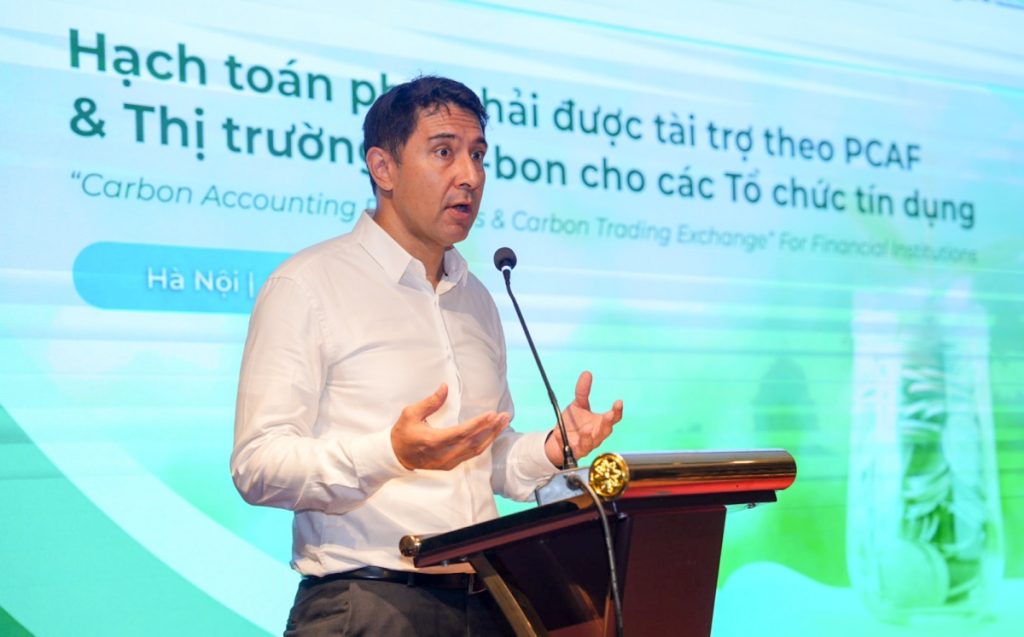
David Ambadar, Director of the “Shifting Investment Flows Towards Green Transformation” (SHIFT) project, shared insights at the event. Photo: Hoang Giap.
Mr. David Ambadar, Director of the “Shifting Investment Flows Towards Green Transformation” (SHIFT) project, stated that financed carbon accounting was a foundational step towards sustainable finance and climate risk management. The PCAF methodology provided a consistent approach to measure emissions associated with lending and investment portfolios, helping banks build a data foundation for portfolio management, client engagement, and disclosure. Accordingly, the value of emissions accounting would only be fully realized once it was integrated into the data systems of banks that better supported risk management, pricing, and decision-making.
This message was reflected in the IFC experts’ training content, covering the identification of financed emissions boundaries, classification of asset groups under PCAF, data requirements and quality, and calculation methods for each type of asset. The focus is not only on calculating emissions, but also on helping banks identify where emissions are concentrated in their portfolios, how well existing data meets requirements, and what gaps need to be addressed. On this basis, banks can build an emissions baseline, prepare for disclosure, and gradually incorporate emissions data into portfolio management and transition impact assessment.
This connection has become clearer in the context of Viet Nam’s carbon market, which has already begun operating. According to IFC experts, while carbon prices in Viet Nam currently seem to be lower compared to some other markets, what really matters is the price trend in the coming period. Once carbon is assigned a price, emission compliance costs may become an expense displayed in the financial statements of borrowing enterprises.
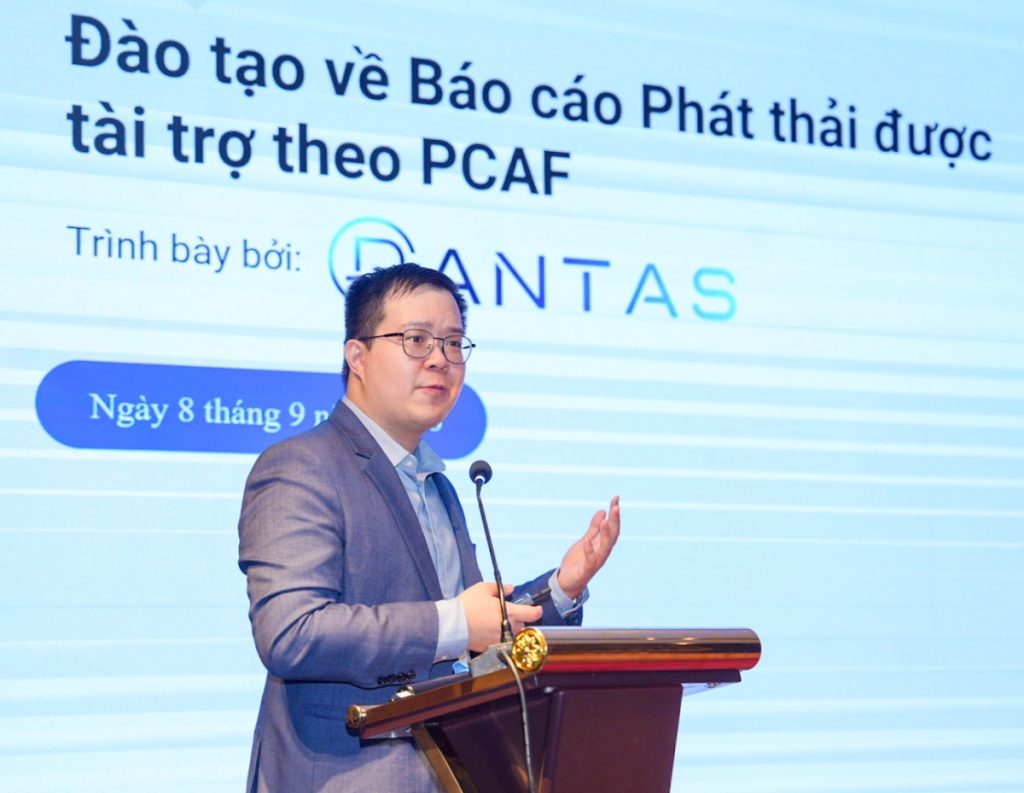
Speakers during the training discussion. Photo: Hoang Giap.
From an operational perspective, representatives from the Ha Noi Stock Exchange (HNX) and the Viet Nam Securities Depository and Clearing Corporation (VSDC) presented a detailed overview of the current operations of the domestic carbon market. The presentations followed the full transaction process, from the registration and custody of emission allowances and carbon credits, and the establishment of transactions through negotiated agreements, to settlement and transfer to the buyer. The roles of different market infrastructure stakeholders were also clarified: HNX organizes trading; VSDC handles custody and transfers ownership of emission allowances and carbon credits; eligible securities companies participate as trading members and/or depository members; while settlement banks carry out payment between buyers and sellers.
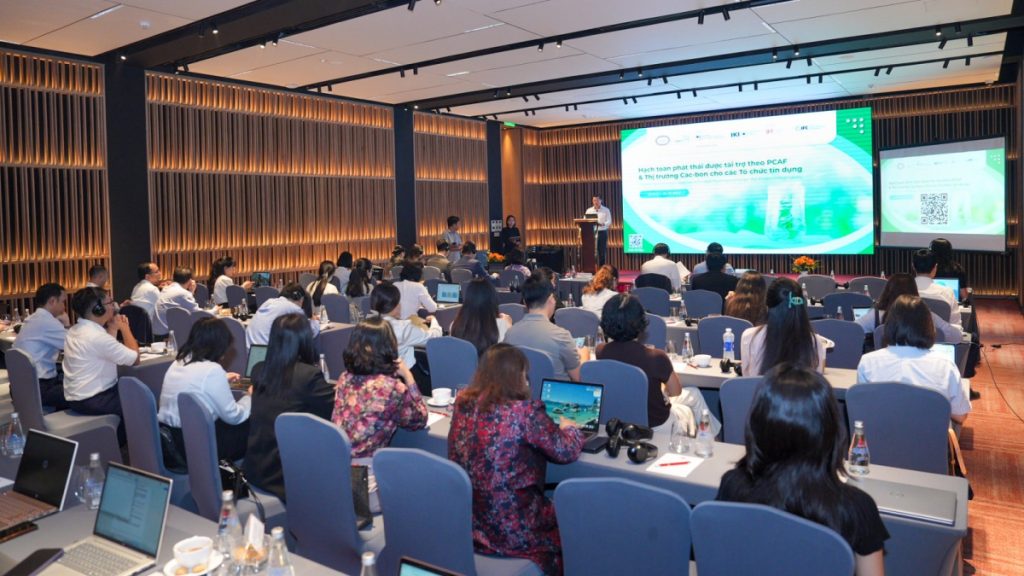
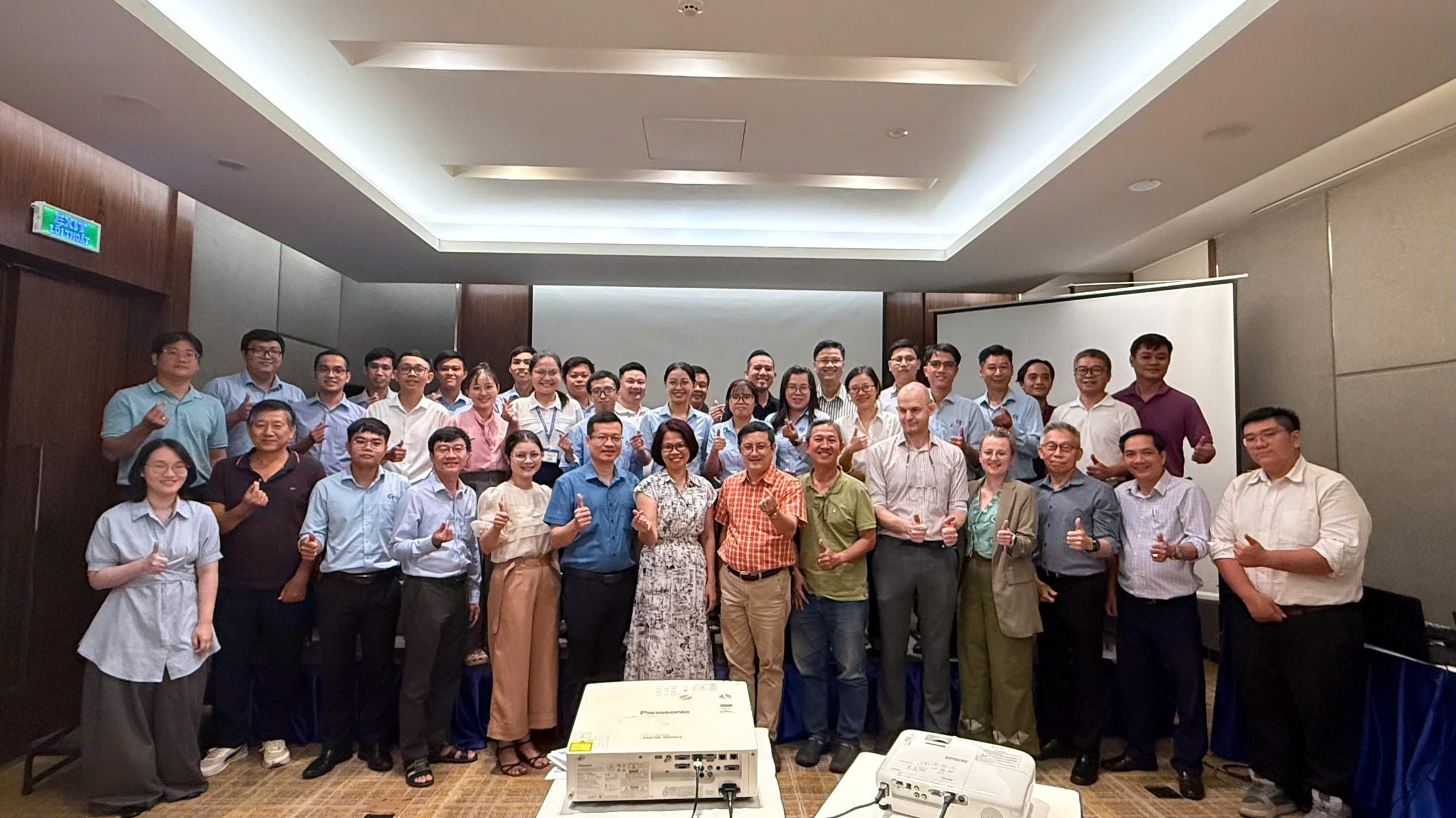
Overview of the training programme. Photo: Hoang Giap.
On September 9th, the programme continued with 1:1 intensive training for selected banks and credit institutions to engage in in-depth consultation sessions with IFC experts. Tailored to the needs of each bank, the sessions focused on implementing the PCAF methodology, data collection and emission factor selection, portfolio-level application, preparation for disclosure and identification of implementation priorities. The sessions aimed to support credit institutions in pinpointing gaps, preparation needs and appropriate next steps to gradually integrate financed emissions accounting into their operations.

Participants discussing and engaging with the training course. Photo: Hoang Giap.
This was the first of three in-depth training courses jointly organized by GIZ, the State Bank of Viet Nam and the International Finance Corporation to strengthen green and sustainable finance capacity in the banking sector. Following the training on financed emissions accounting and the carbon market, the next courses are expected to focus on climate risk management, stress testing, disclosure, and climate-related financial reporting.
Reference: Ngành Ngân hàng nâng cao năng lực đo lường phát thải và tham gia thị trường các-bon