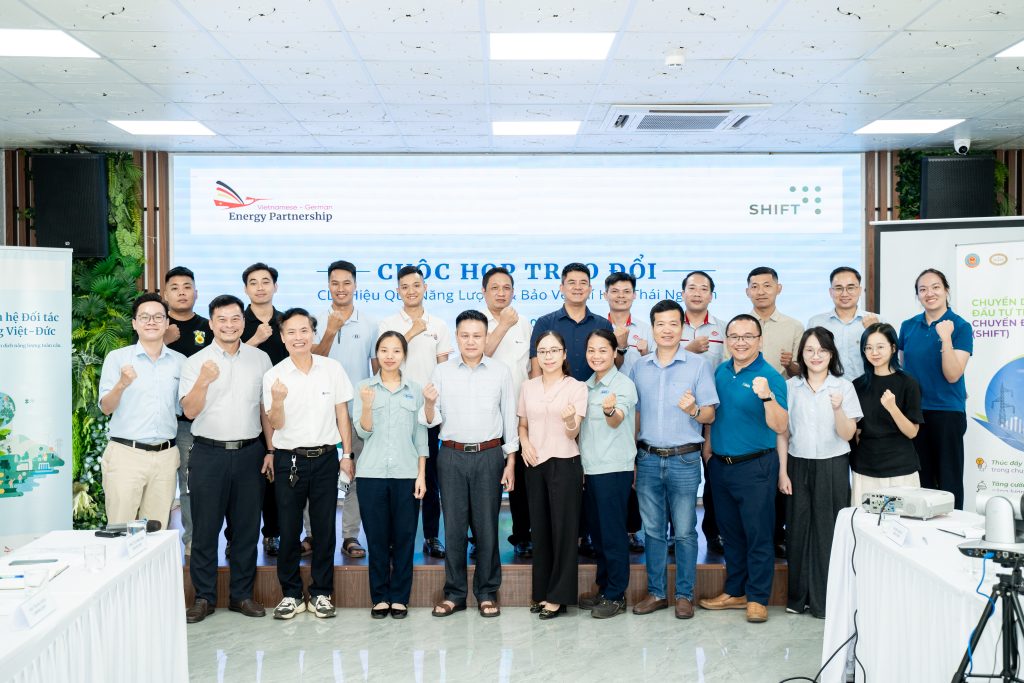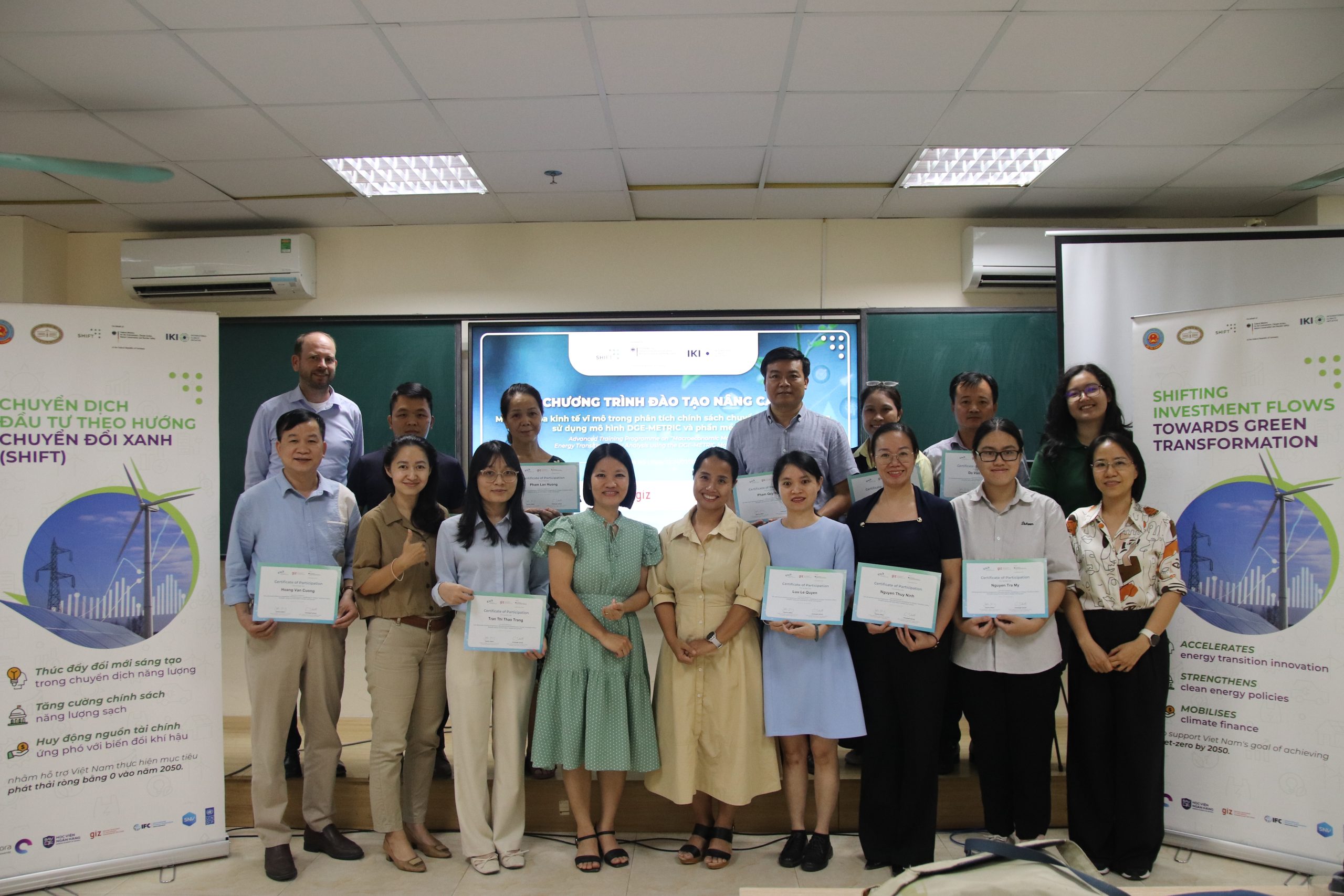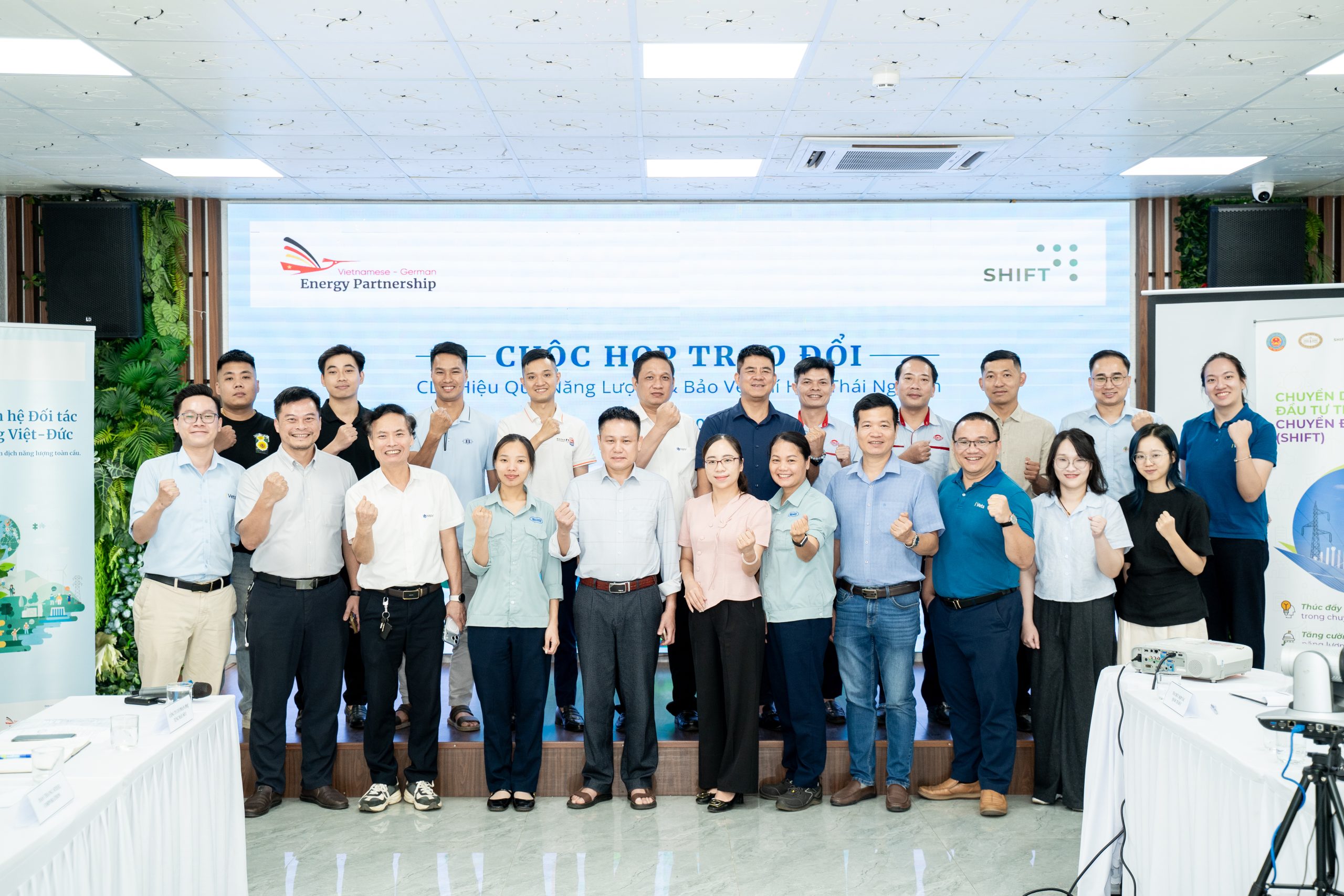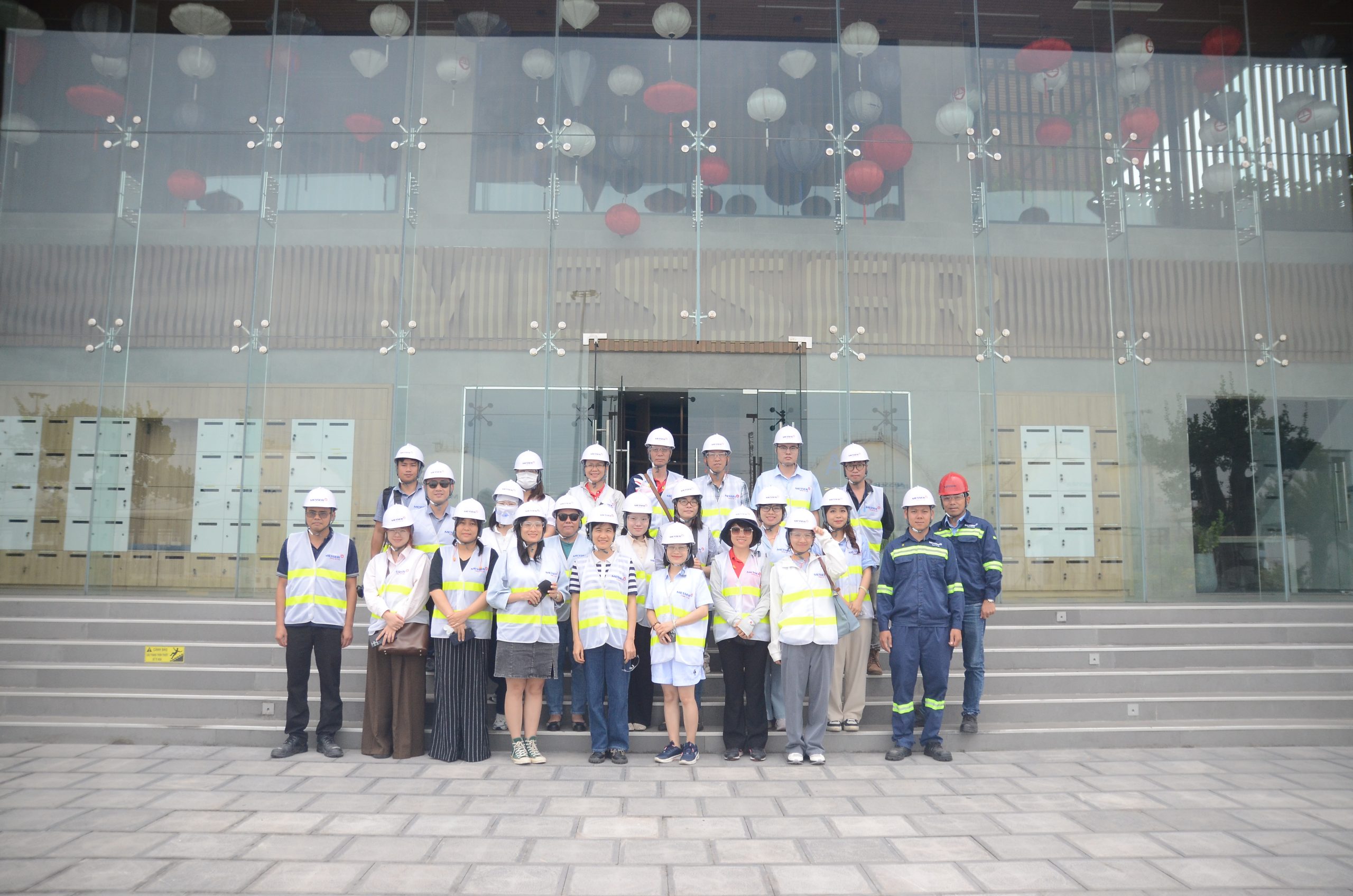
Energy audits, greenhouse gas (GHG) inventories and emission index control across supply chains were among the key topics actively discussed by members of the Ho Chi Minh City Energy Efficiency Club (EEC) during its regular meetings, review and training sessions held in October and November 2026.
For businesses with a high proportion of exports, especially for the European market, emission management and compliance with requirements related to the Carbon Border Adjustment Mechanism (CBAM) are becoming increasingly important. Businesses are also interested in accessing renewable electricity through the Direct Power Purchase Agreement (DPPA) mechanism.
Energy management experiences shared by EEC member businesses
According to a representative of Dong A Steel (Tôn Đông Á), the company is effectively applying energy-saving solutions, including waste heat recovery, rooftop solar installations, variable-frequency drives for cooling water pumps, and energy storage systems.
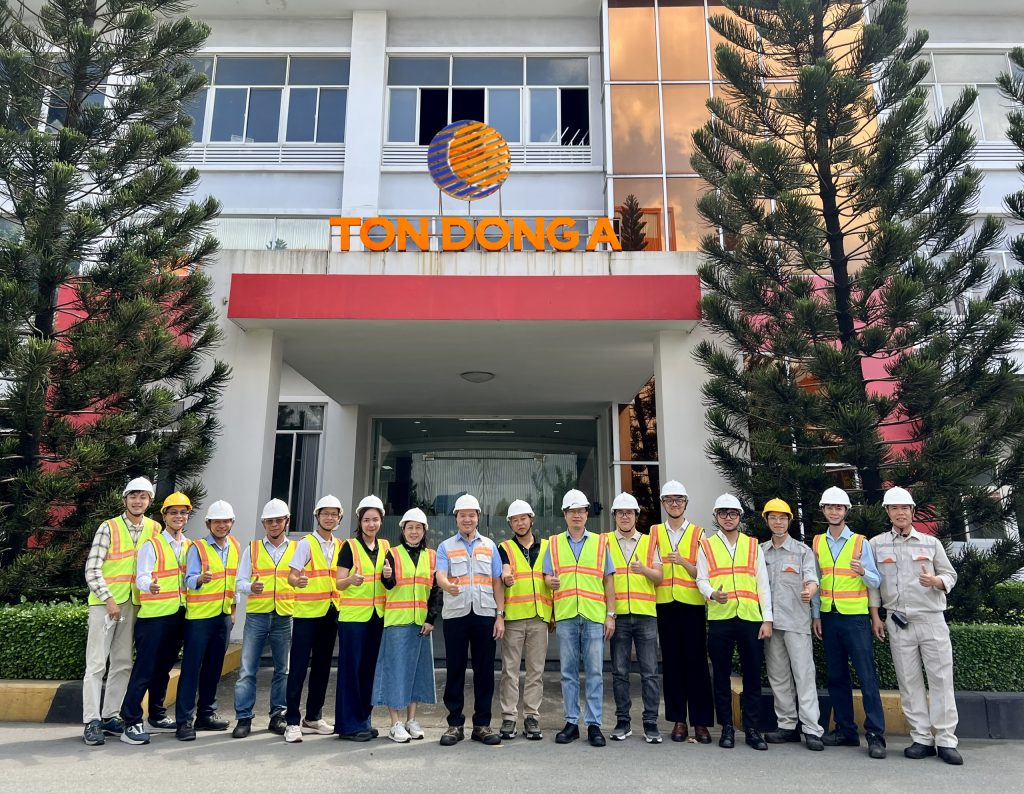
Photo by GIZ.
Saitex International Dong Nai shared its on-site energy-saving practices, covering the operation of biomass boilers and 100% wastewater recycling for its laundry process and denim fabric recycling.
Experiences from German energy solution providers
Blueberry Energy shared its experience in implementing rooftop solar power purchase agreements (PPAs/DPPAs) and installing rooftop solar systems in industrial parks.
Meanwhile, a representative of Siemens Power Technologies International (PTI) for Southeast Asia presented AI-enabled power quality analysis solutions to ensure production reliability.
Updates on mechanisms and legal frameworks
Experts from the domestic consulting units (ENERTEAM) and international consultants updated and discussed with EEC members the changes in the application of mechanisms and legal frameworks in energy management and use practices for enterprises, including:
- New Legal Framework on Energy (NL) and Greenhouse Gas (GHG) Inventory: Updating current legal documents in Viet Nam (such as the Law Amending the Law on the Use of Energy TK&HQ, the latest Decrees and Circulars guiding energy audits, greenhouse gas inventories and responsibilities of key facilities).
- New legal frameworks for energy and GHG inventories: Updates on Viet Nam’s current regulations, including the amended Law on Economical and Efficient Use of Energy and the latest decrees and circulars on energy audits, GHG inventories and the responsibilities of key energy-consuming facilities.
- Guidance on developing GHG emission reduction reports and the DPPA mechanism: Updates on the policy framework, the two DPPA models, eligibility requirements for large consumers, and practical lessons from representative projects.
- Setting emissions reduction targets and roadmaps in practice: Guidance on using calculation tools to build business-as-usual (BAU) scenarios, screening mitigation measures, analyzing marginal abatement cost curves, and validating emissions intensity reduction targets).
- Energy efficiency technologies & GHG emission reduction: An overview of technical solutions to improve efficiency, including variable-frequency drives, industrial heating systems, waste heat recovery, industrial heat pumps, electrification and renewable energy integration.
- The carbon credit market: Differentiation between mandatory emissions trading systems (ETS/quotas), carbon taxes and voluntary/international crediting mechanisms (CDM, JCM, Article 6 of the Paris Agreement), and adaptation strategies to help businesses optimize compliance costs and overcome green trade barriers.
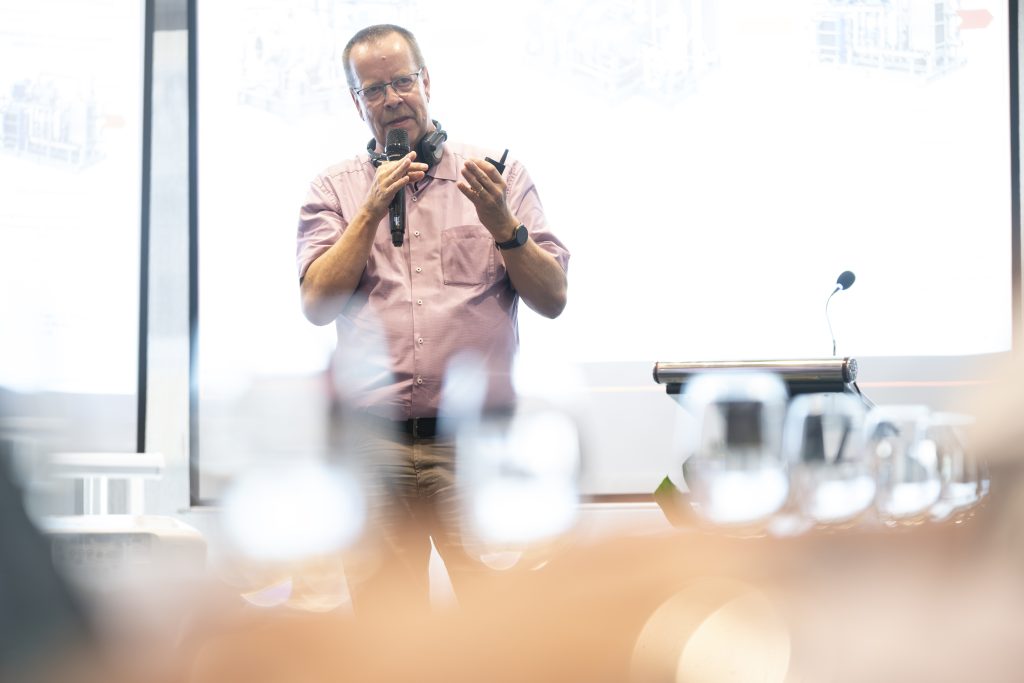
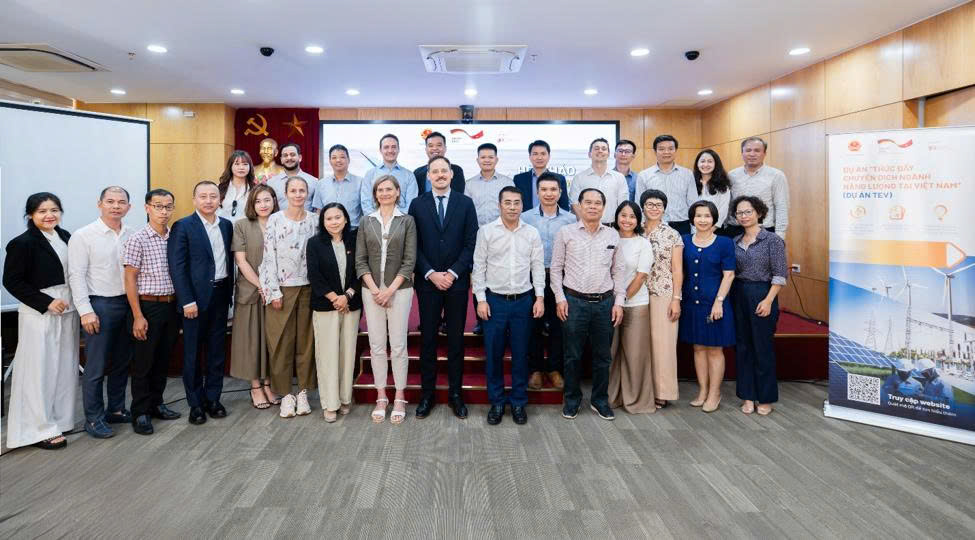
Photo by GIZ.
The EEC pilot journey and future direction
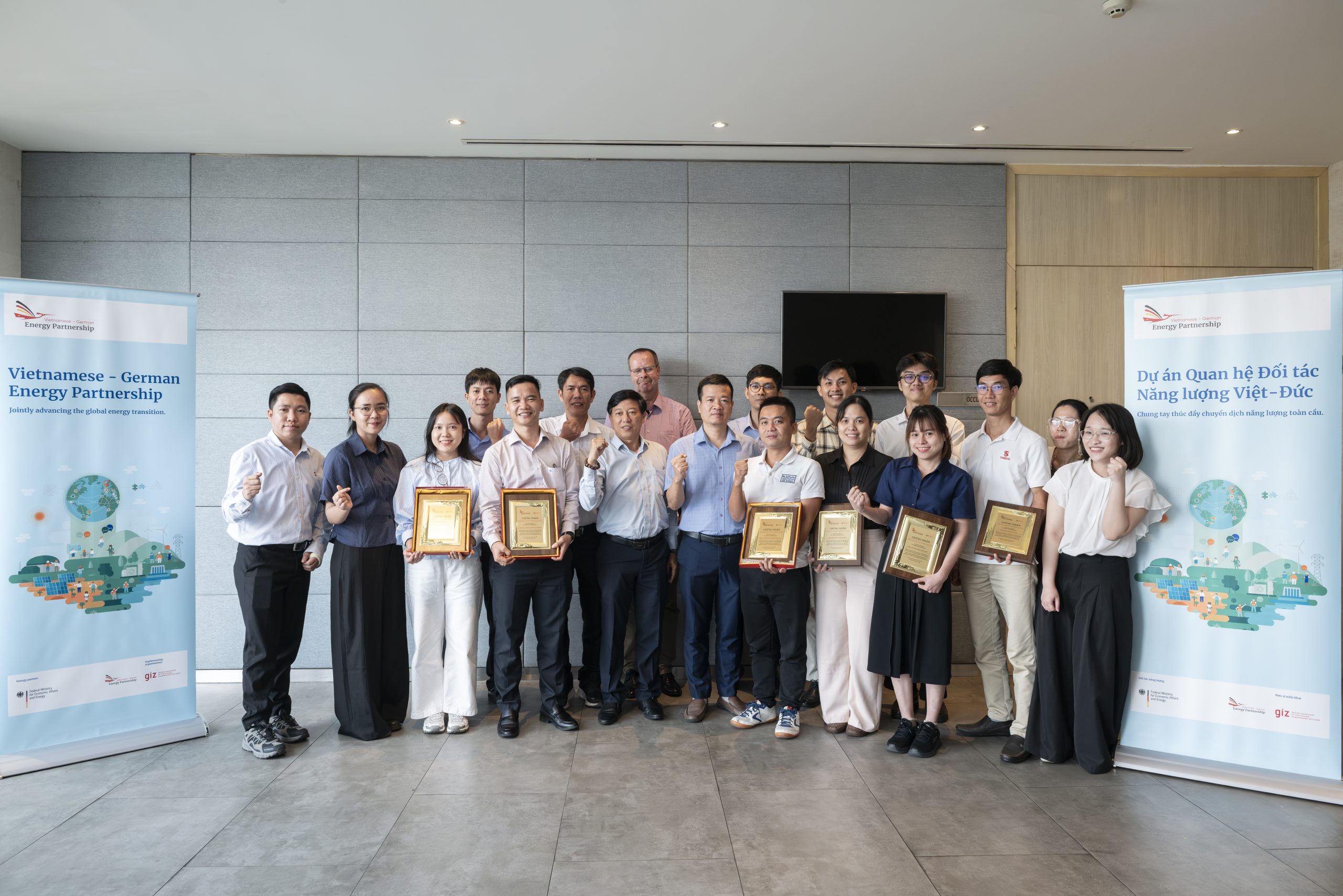
Over 3 years of piloting EEC in Ho Chi Minh City, the model has attracted 8 participating businesses, recording a 2.7% reduction in total energy consumption and a 3.7% reduction in total greenhouse gas (GHG) emissions. Through field surveys at 7/8 facilities, more than 60 solutions were proposed, including improvements to compressed air systems and distribution networks, refrigeration systems, boiler heat generation and heat distribution systems, etc. Member businesses highly appreciated GIZ’s support throughout the pilot phase.
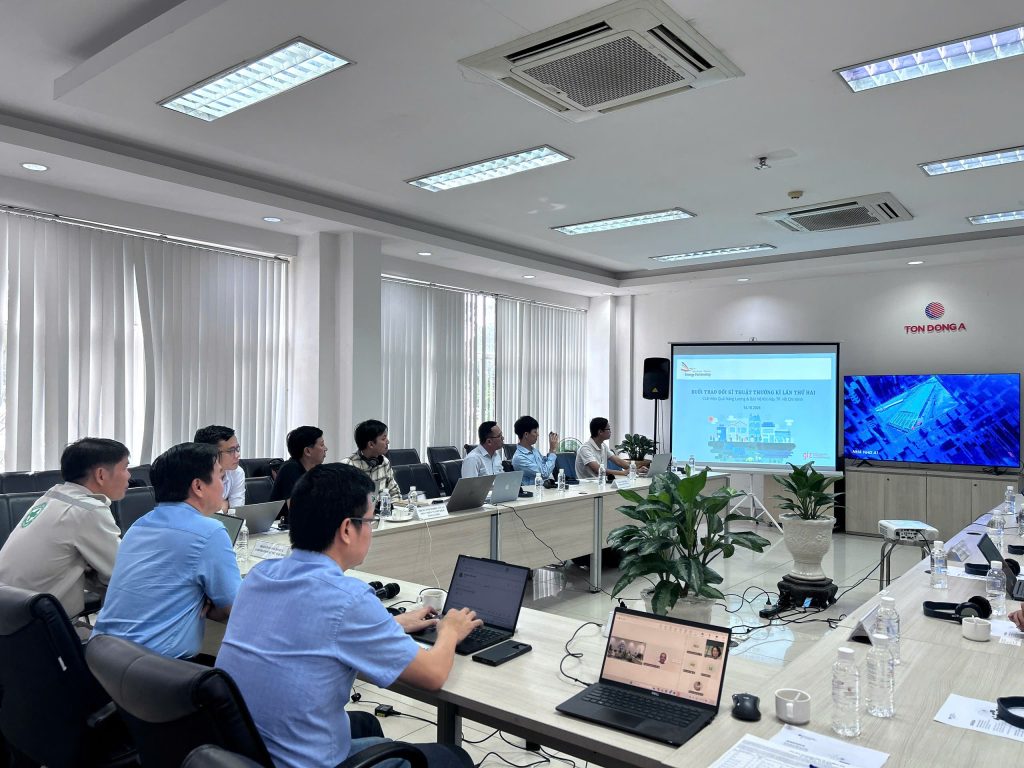
Photo by GIZ.
From 2027 onwards, with GIZ’s support coming to an end, member companies proposed a flexible operating model that combines online and on-site assessments, increases the involvement of technical consultants, expands connections with government agencies and suppliers, while discussing options to enhance sustainable finance based on annual contributions tied to tangible benefits for businesses.
GIZ would like to extend its thanks to businesses, partners, domestic and foreign consultants for accompanying the Energy Efficiency Club (EEC, also referred to internationally as EEN) throughout a 3-year pilot. The model has achieved positive results, connecting the business community to raise awareness, implement energy-saving practices, continuously exchange experiences and expand cooperation within the same sector and area, thereby promoting the green transition in business & manufacturing and contributing to the broader goals of the economy.