Under the framework of the ASEAN Future Forum (AFF) 2026, plenary session four, themed “Enhancing energy security in a changing world”, convened policymakers, experts, and representatives of international organizations to discuss solutions for ensuring the region’s energy security amid global volatility. As ASEAN’s energy demand continues to rise, while geopolitical shifts, supply chain disruptions, and the pressure of green transition grow increasingly acute, the discussion centered on how the region can simultaneously safeguard energy security, sustain economic growth, and pursue long-term sustainable development.
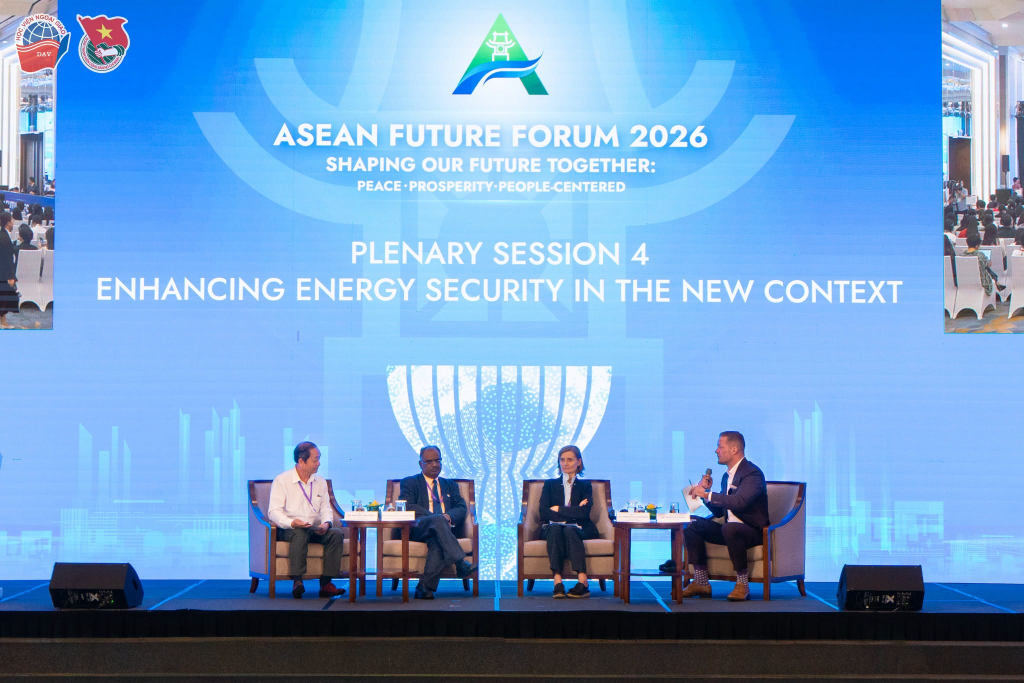
Plenary session 4: Enhancing energy security in the new context. Photo source: Kênh Thông tin Học viện Ngoại giao.
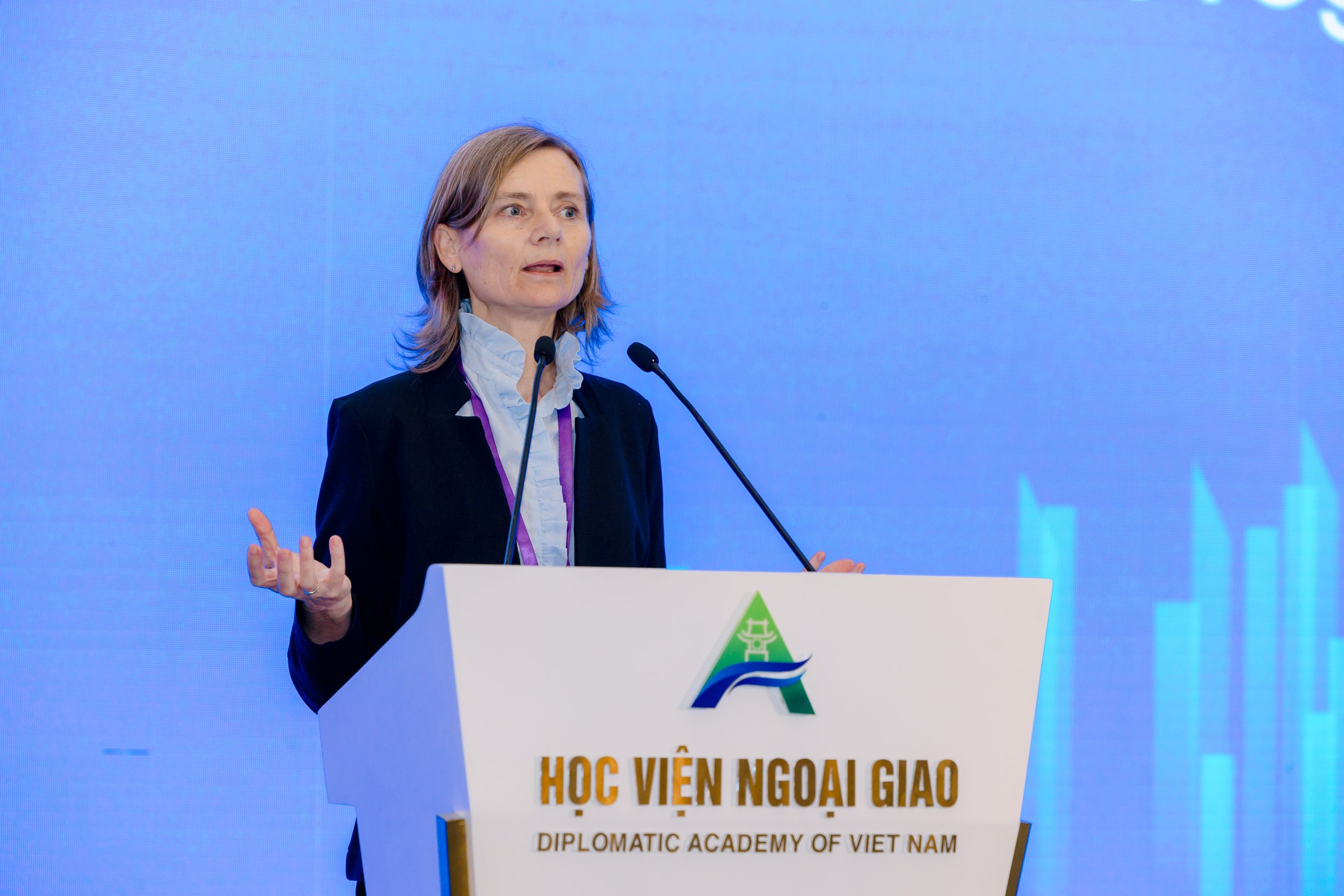
During the session, Ms. Christiana Hageneder, Director of GIZ’s Energy Support Programme, shared the perspective of international development organizations on the region’s energy future. She said ASEAN stands at an important juncture where it can turn energy security challenges into a driving force for innovation and sustainable development. The severe turbulence in global energy markets in recent times, she noted, is not merely a shock to be managed, but can become a catalyst for the region’s energy transition.
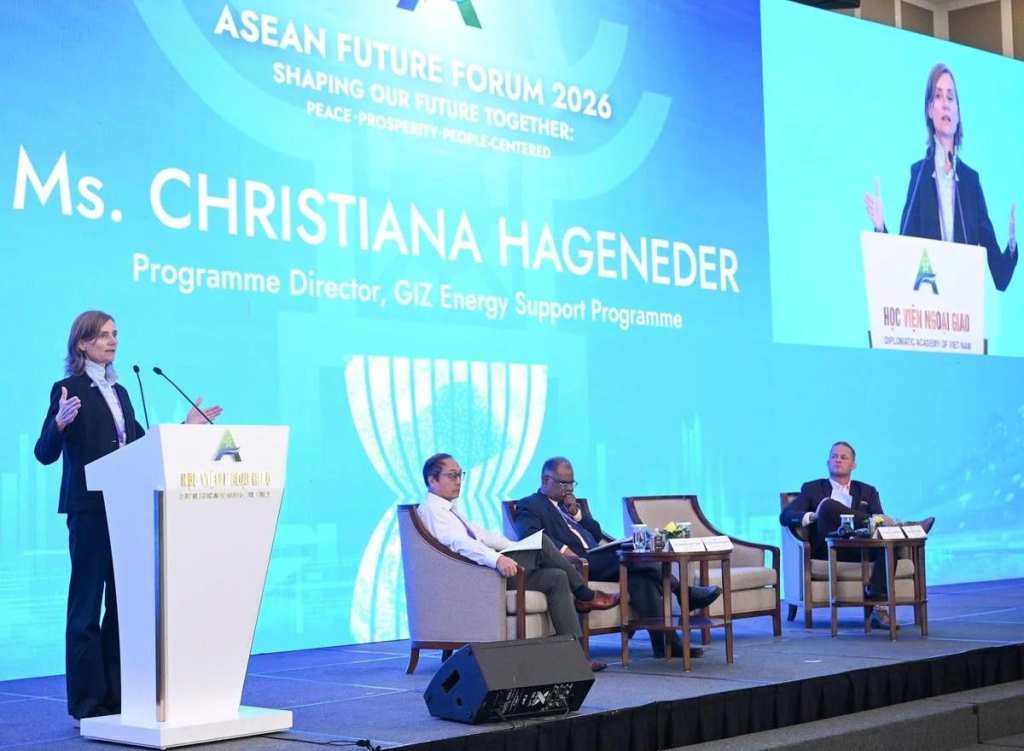
Christiana Hageneder, Programme Director of GIZ Energy Support Programme (ESP) delivered her remarks.
According to Christiana, rather than focusing solely on responding to immediate impacts, countries should seize periods of instability to accelerate renewable energy development, improve energy efficiency, and build energy systems that are more resilient to external shocks. She also highlighted the region’s strong potential, noting that ASEAN holds substantial renewable energy potential and faces significant opportunities to advance its green transition in the coming years. This, she said, carries a strategic message: a crisis, if approached the right way, can be an opportunity for ASEAN countries to optimize their transition pathways, thereby strengthening energy security and supporting sustainable economic growth.
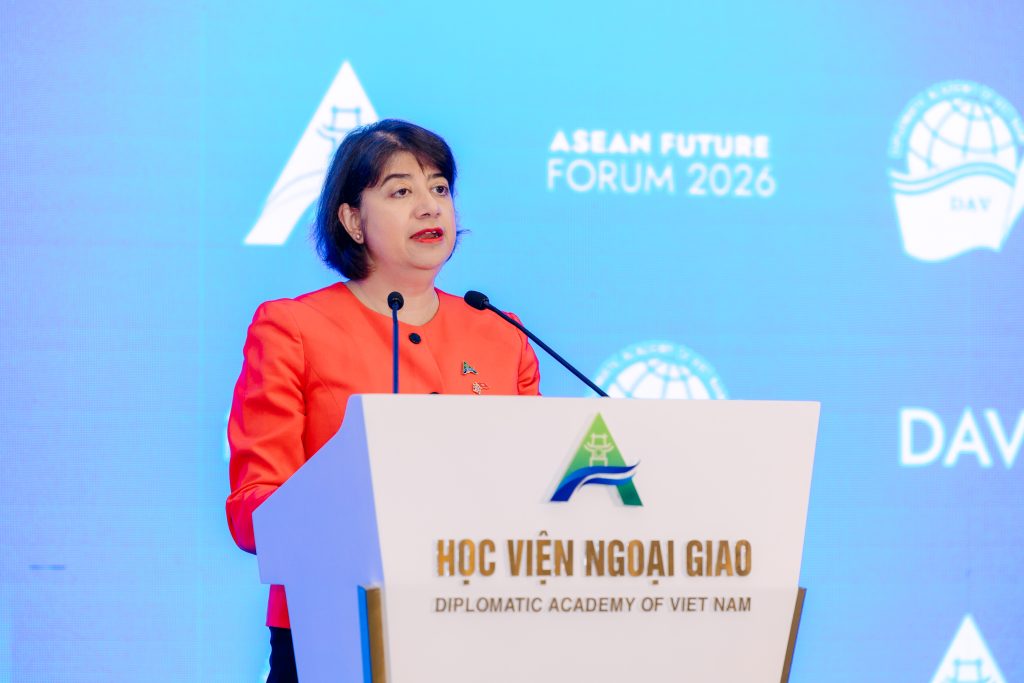
Seema Malhotra, Parliamentary Under-Secretary of State at the UK Foreign, Commonwealth and Development Office.
Sharing views on international cooperation in the energy sector, Ms. Seema Malhotra, UK Minister of State for the Indo-Pacific at the Foreign, Commonwealth and Development Office, emphasized that energy security is increasingly becoming a key pillar of economic stability and sustainable development. She praised ASEAN’s central role as well as Vietnam’s contributions to advancing regional cooperation, and said countries need to build greater resilience through supply diversification, energy transition, sustainable infrastructure development, and expanded international cooperation.
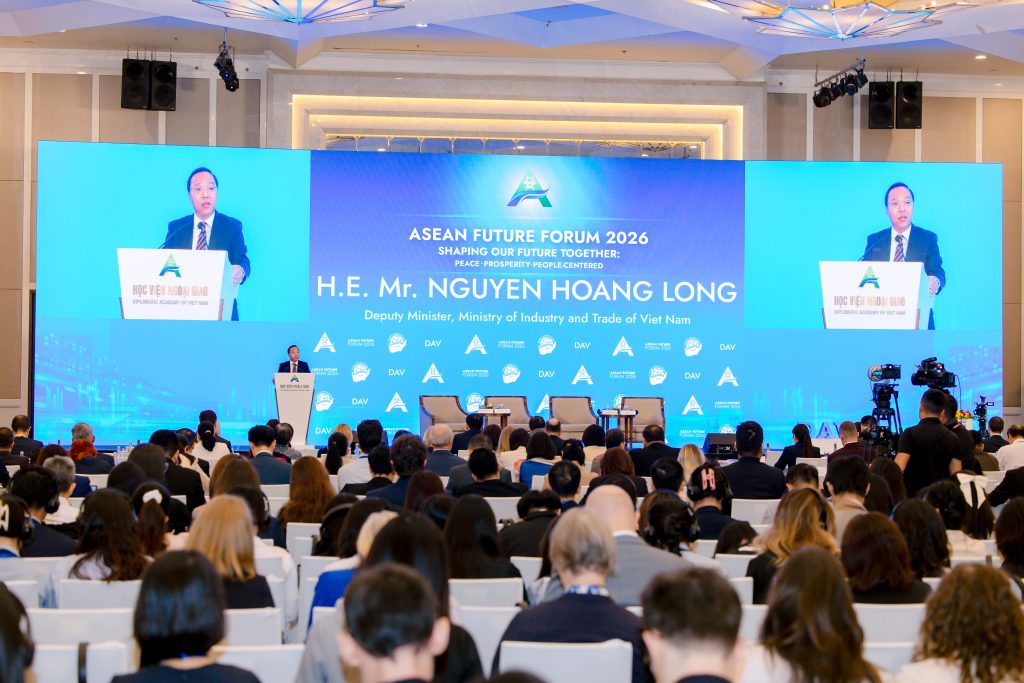
Deputy Minister Nguyen Hoang Long on his remarks.
From a regional perspective, Mr. Nguyen Hoang Long, Vietnam’s Deputy Minister of Industry and Trade, said ASEAN should continue to make effective use of existing cooperation mechanisms, strengthen data and information sharing, and promote cross-border energy infrastructure connectivity. He added that building more resilient energy supply chains, improving energy efficiency, and tapping into international resources for technology transfer and innovation would be important factors that support the region’s energy transition.
Dr. Venkatachalam Anbumozhi, Senior Research Fellow at the Economic Research Institute for ASEAN and East Asia (ERIA), stated energy security is no longer solely an issue for the energy sector but has become a critical component of regional economic security. He proposed that the region strengthen cooperation on energy reserves, promote regional power grid connectivity, and build more effective cooperation frameworks to respond to external shocks.
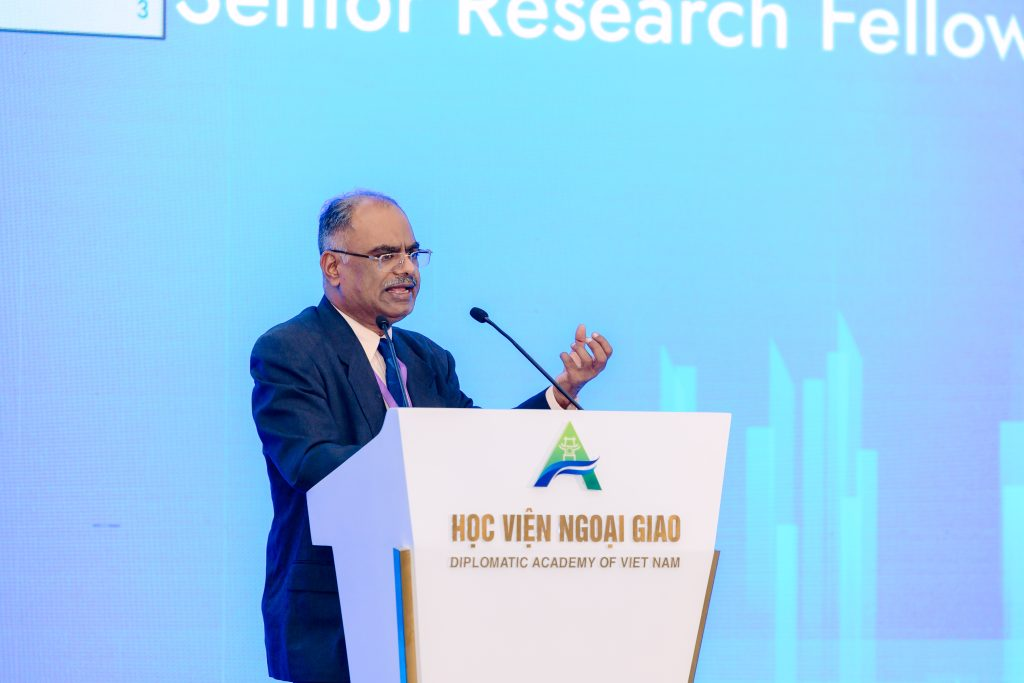
Dr. Venkatachalam Anbumozhi spoke at the Forum.
Drawing on practical experience, Dr. Nguyen Anh Tuan, Vice Chairman of the Vietnam Energy Association, said ensuring energy security requires a balanced approach between economic development, supply security, and the promotion of green transition. He noted that Vietnam is gradually diversifying its energy mix and increasing the share of renewable energy in line with Power Development Plan VIII (PDP8), though it still faces challenges including large investment needs, a degree of reliance on imported energy, and the need to develop stable baseload power sources.
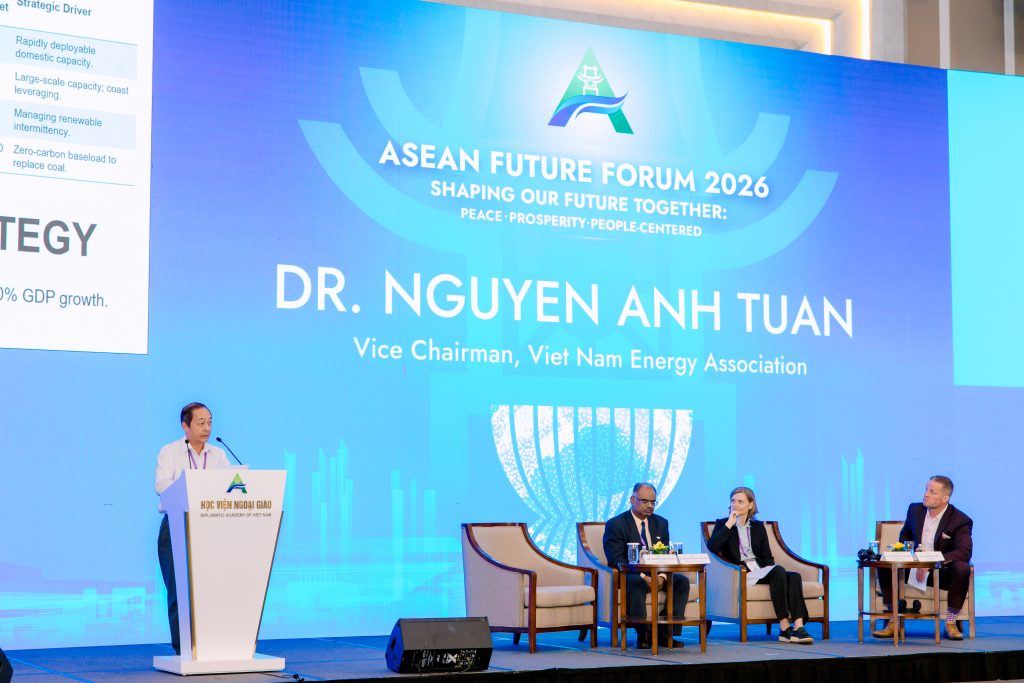
Dr. Nguyen Anh Tuan shared insights on Vietnam’s energy security.
During the discussion, speakers also addressed the development of the ASEAN power grid, the expansion of renewable energy alongside energy storage solutions, mobilizing financial resources for the green transition, and the prospects for nuclear power development. Participants agreed that building a sustainable energy system requires close coordination between governments, the private sector, and international partners such as GIZ, and that this must follow a roadmap suited to the specific conditions of each member state.
The session affirmed that energy security is no longer an issue confined to the energy sector alone, but it has become a strategic factor closely tied to economic growth, resilience, and sustainable development across ASEAN. Promoting regional cooperation, strengthening infrastructure connectivity, diversifying supply sources, and accelerating the green transition with the support of international development organizations, will be key to helping ASEAN build a safer, more sustainable, resilient, and inclusive energy system in the future.
Reference: https://www.facebook.com/share/p/1JLJ5BxC7j/