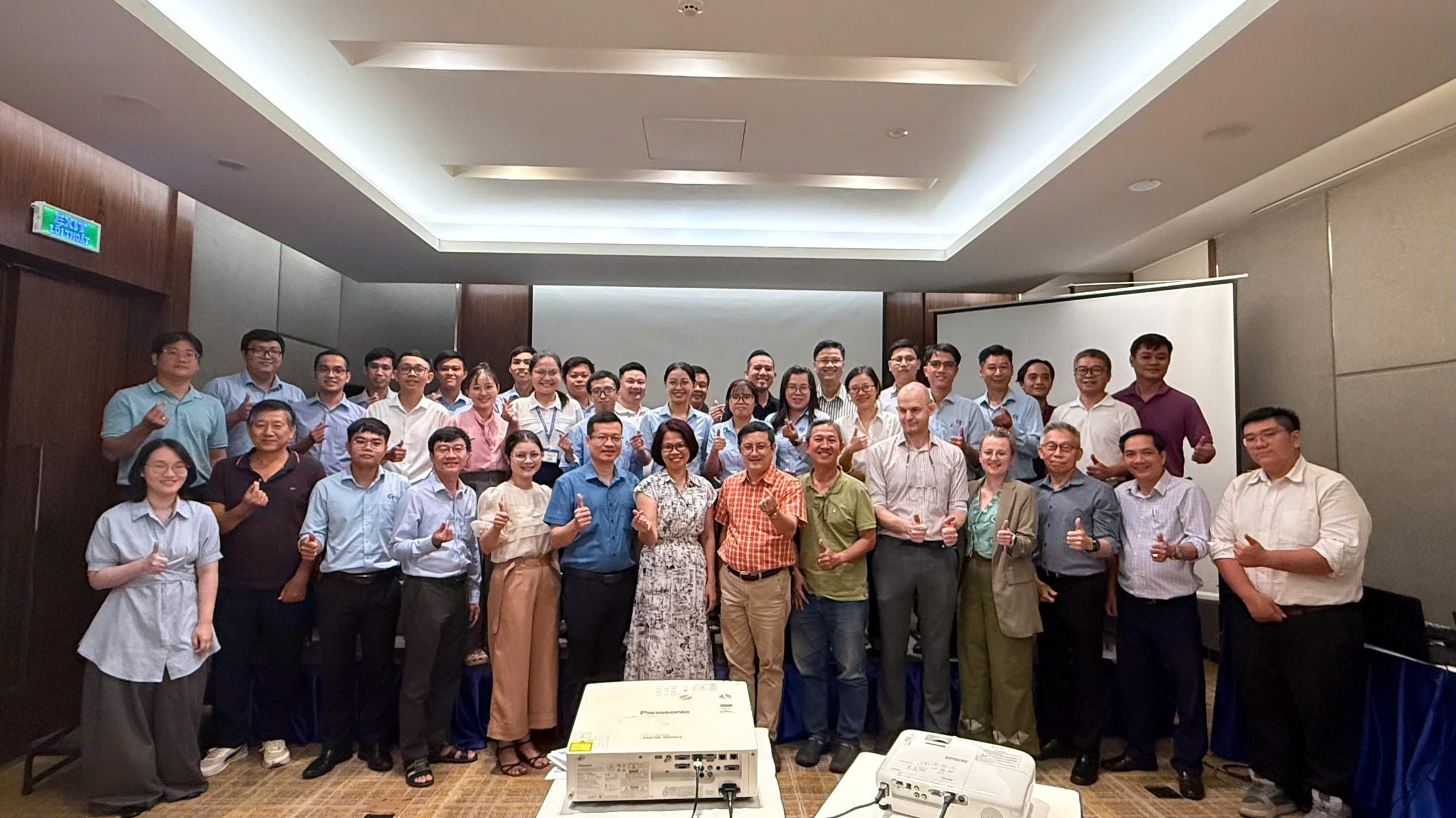
As demand for cooling continues to rise, strengthening the capacity of stakeholders to implement higher Minimum Energy Performance Standards (MEPS) for non-duct air conditioners plays a key role in improving energy efficiency and accelerating the transition towards sustainable cooling solutions.
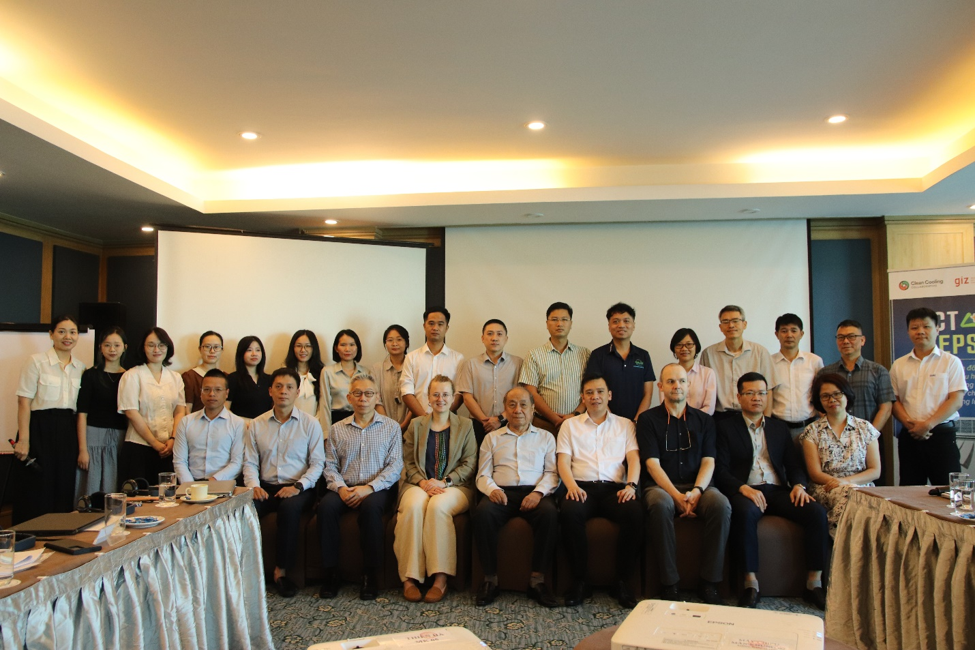
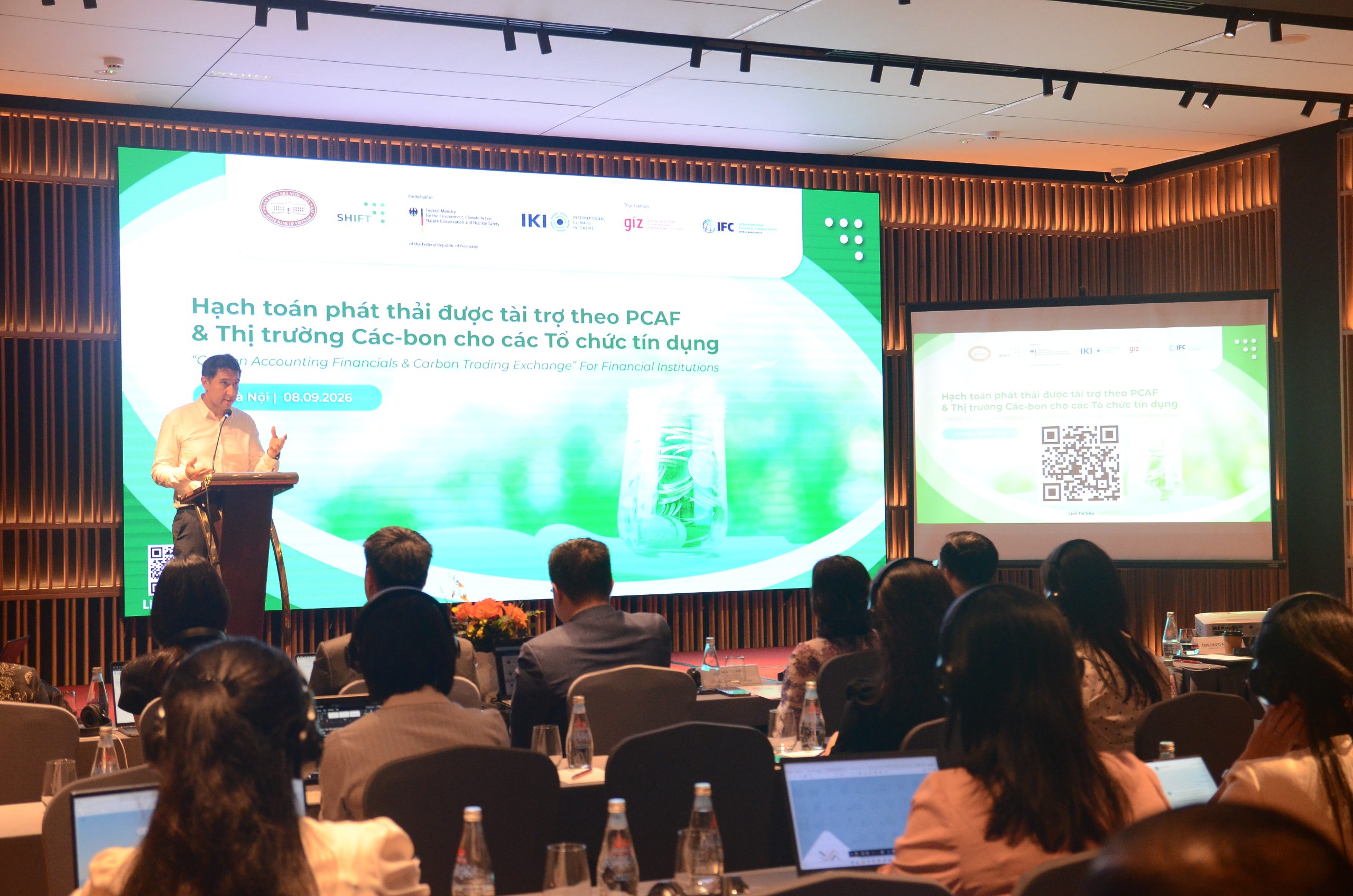
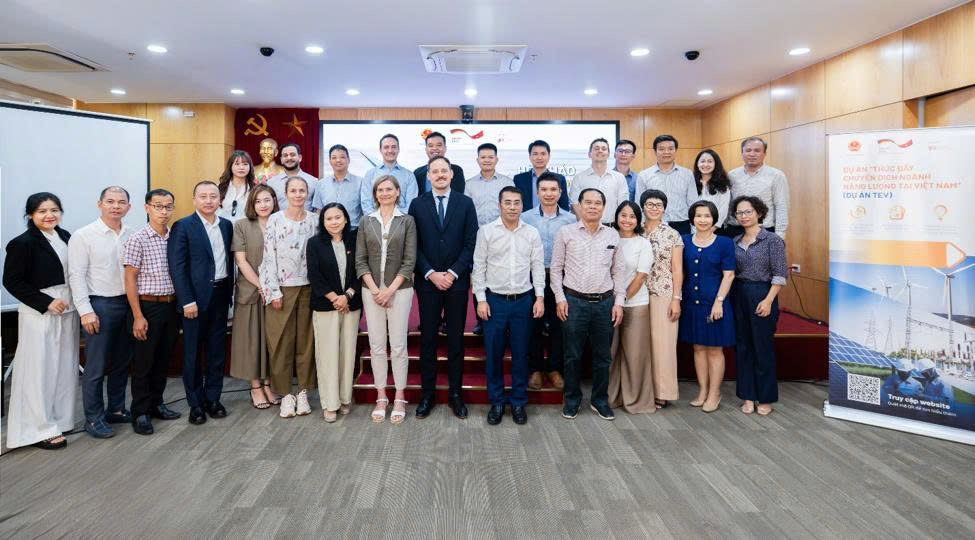
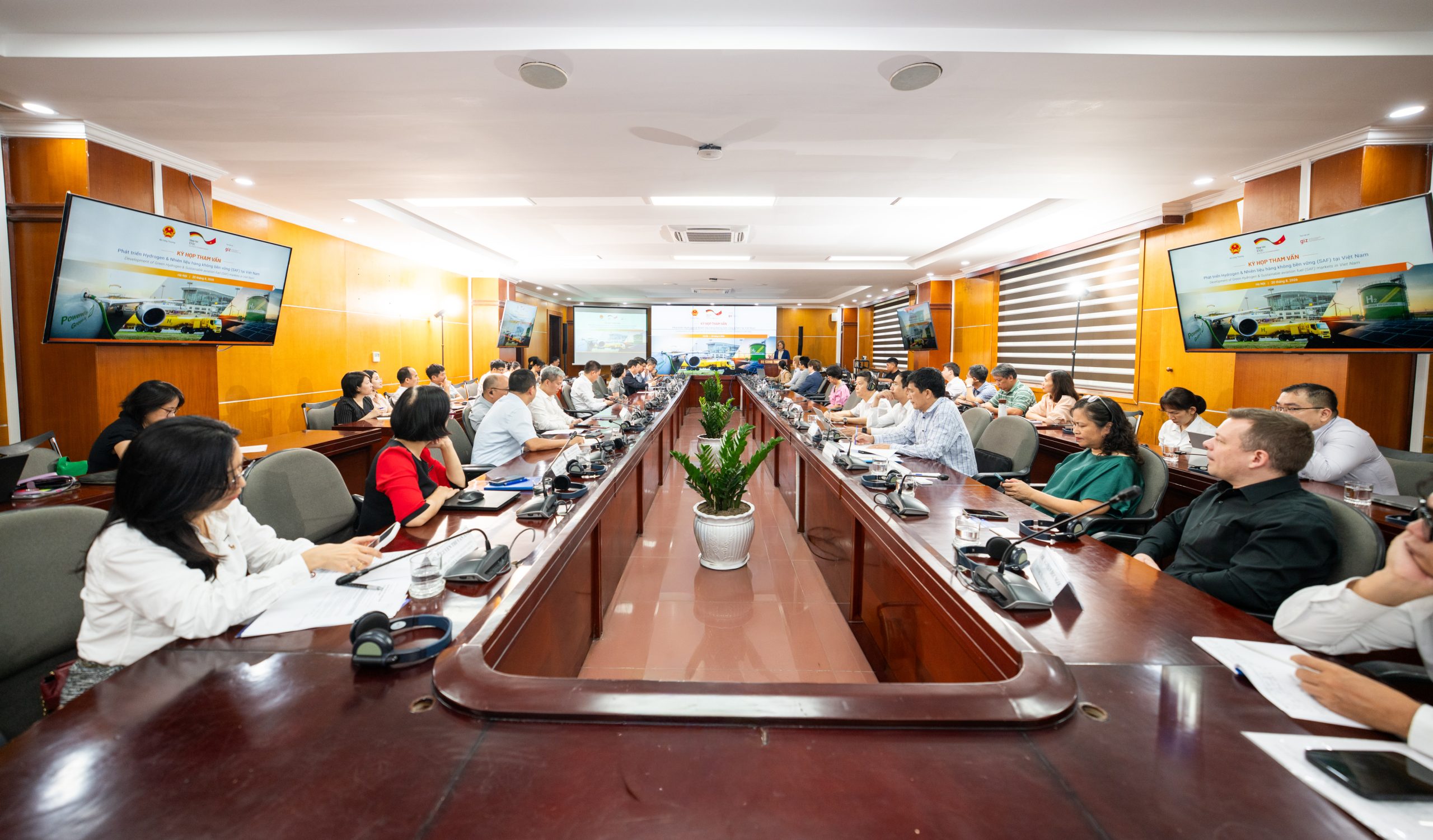
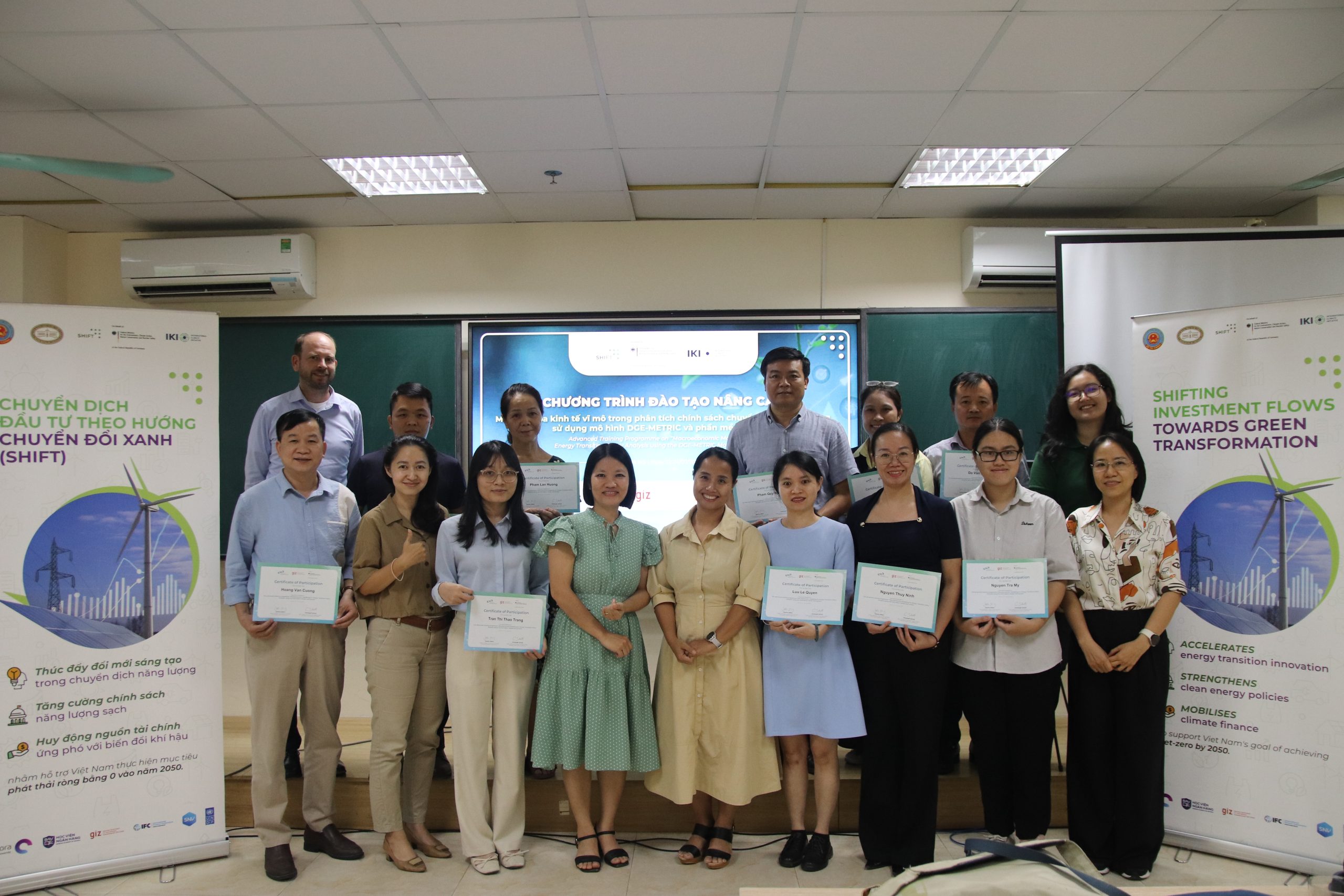
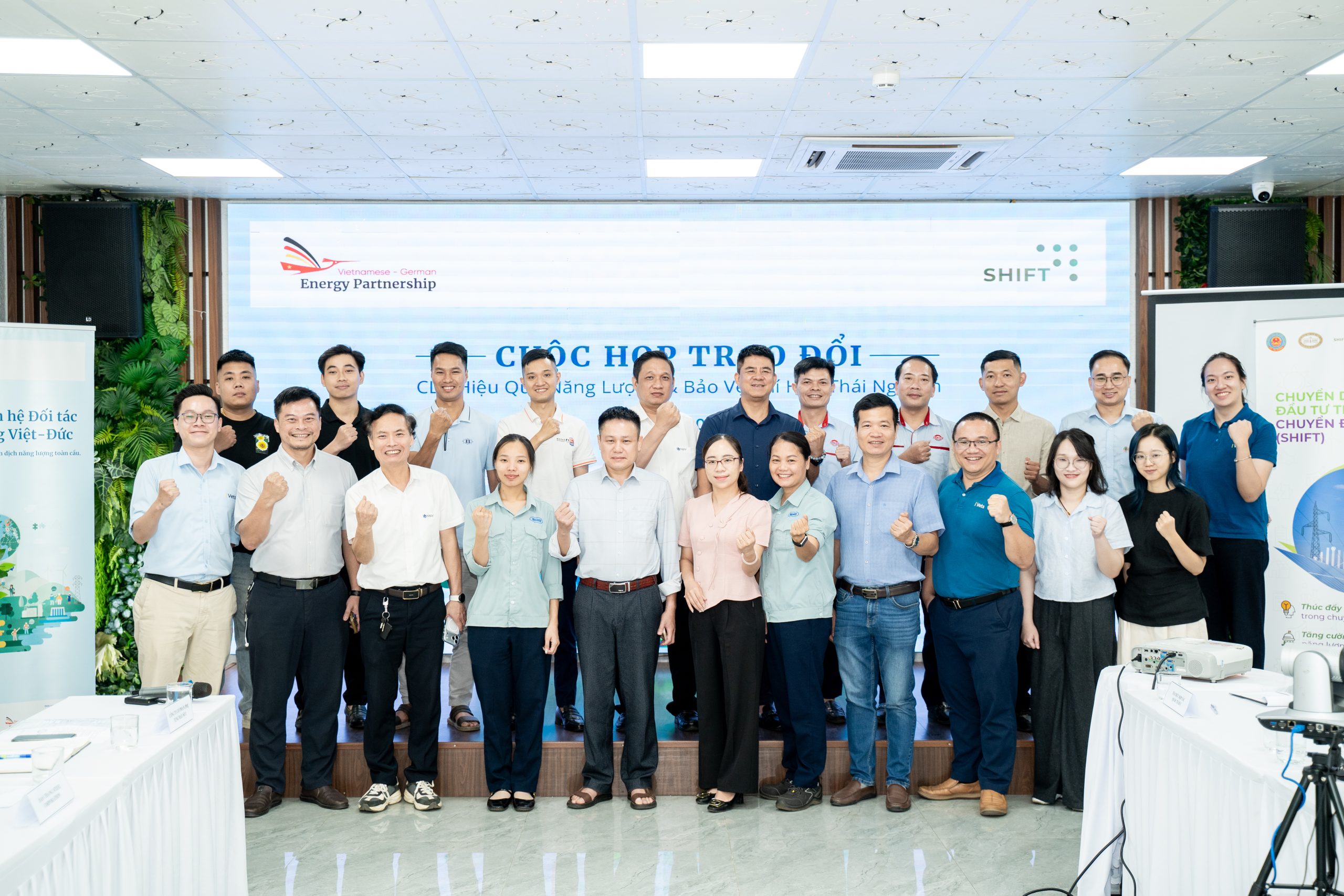
To support this objective, the Training Courses for Adapting the New Energy Performance Standard of the Non-ducted Air Conditioners were held in Hanoi (23 June) and Ho Chi Minh City (26 June), gathering nearly 100 participants from universities, vocational colleges, testing laboratories, consulting firms, manufacturing companies and air-conditioning experts.
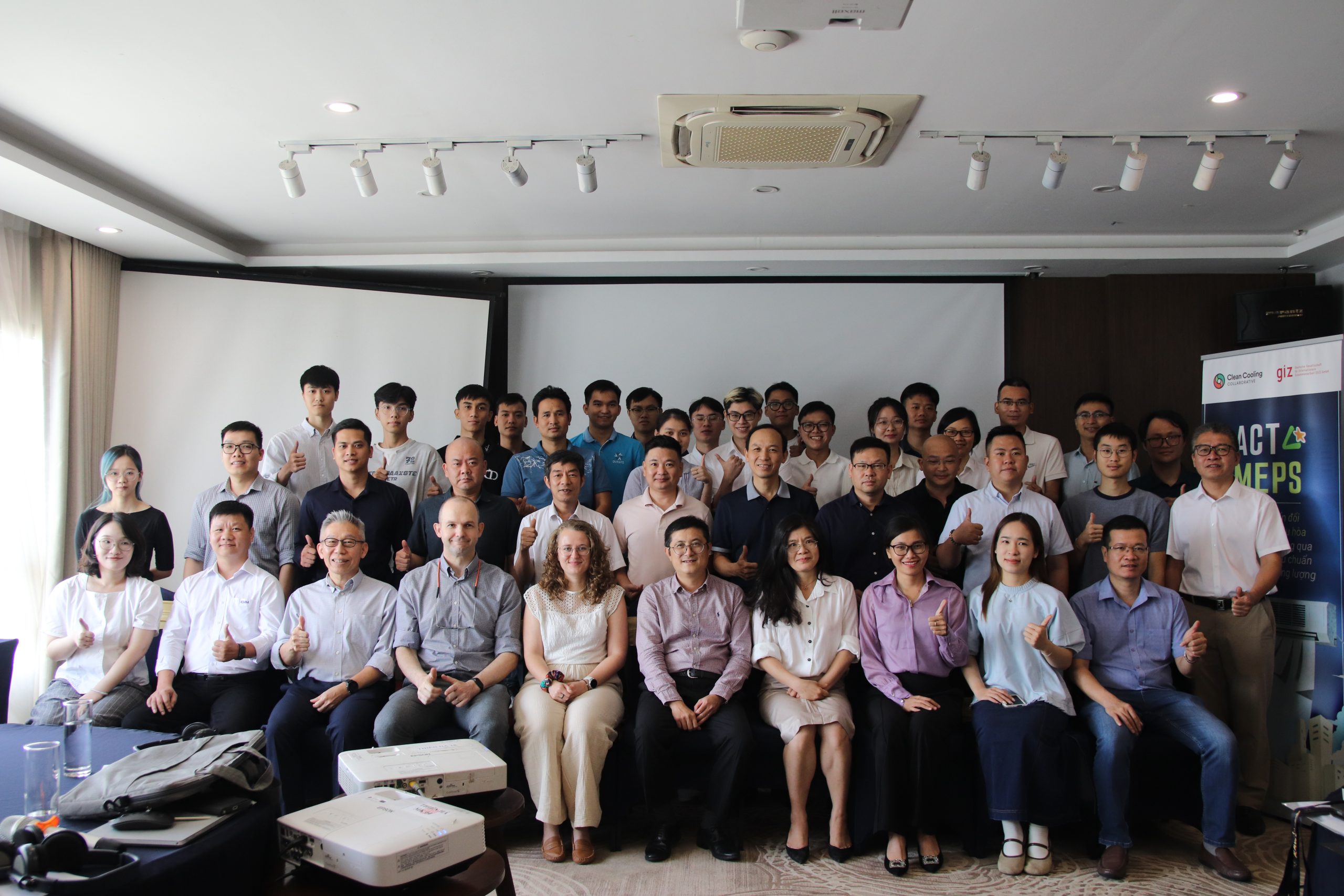
The training courses were organised against the backdrop of rapidly growing cooling demand in Viet Nam, particularly as the country advances its sustainable energy transition. The increasing use of air conditioners has created an urgent need to improve energy efficiency. In this context, enhancing the energy performance of non-ducted air conditioners is considered one of the key solutions to reducing electricity consumption and supporting sustainable development.
The programs provided participants with an overview of Minimum Energy Performance Standards (MEPS), highlighting both the opportunities and challenges associated with raising these standards in the Vietnamese market. Training sessions were delivered by national and international experts from the Hanoi University of Science and Technology, Industrial Testing and Inspection Center (TCVI), Quality Assurance and Testing Center 3 (QUATEST 3), and HEAT GmbH.
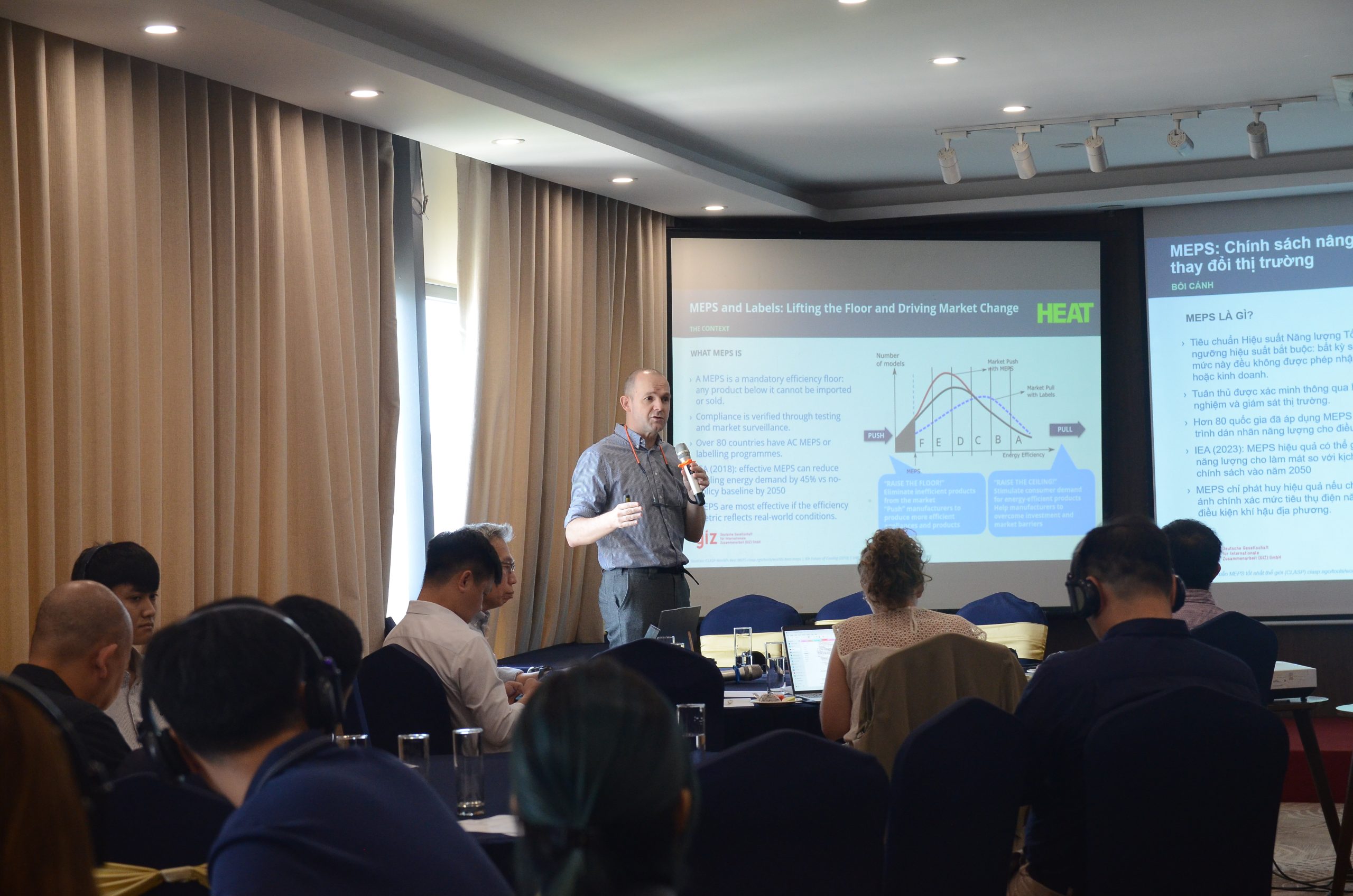
According to Mr Martin Brown-Santirso, Senior Environmental Consultant at HEAT GmbH, the implementation of Minimum Energy Performance Standards in Viet Nam continues to face challenges due to delays in enforcement. Such delays could allow low-efficiency air conditioners to remain on the market for years to come. Therefore, when we revise MEPS, it is important to consider product life-cycle costs to maximise either energy efficiency or long-term economic benefits for consumers.
In addition to topics such as energy labelling and CSPF testing, the events covered proposed MEPS levels for manufacturers, international experience in MEPS implementation, and testing procedures in laboratories. Accordingly, the development of a dedicated temperature-bin hour (BIN) dataset for Minimum Energy Performance Standards (MEPS) for air conditioners was identified as an urgent priority.
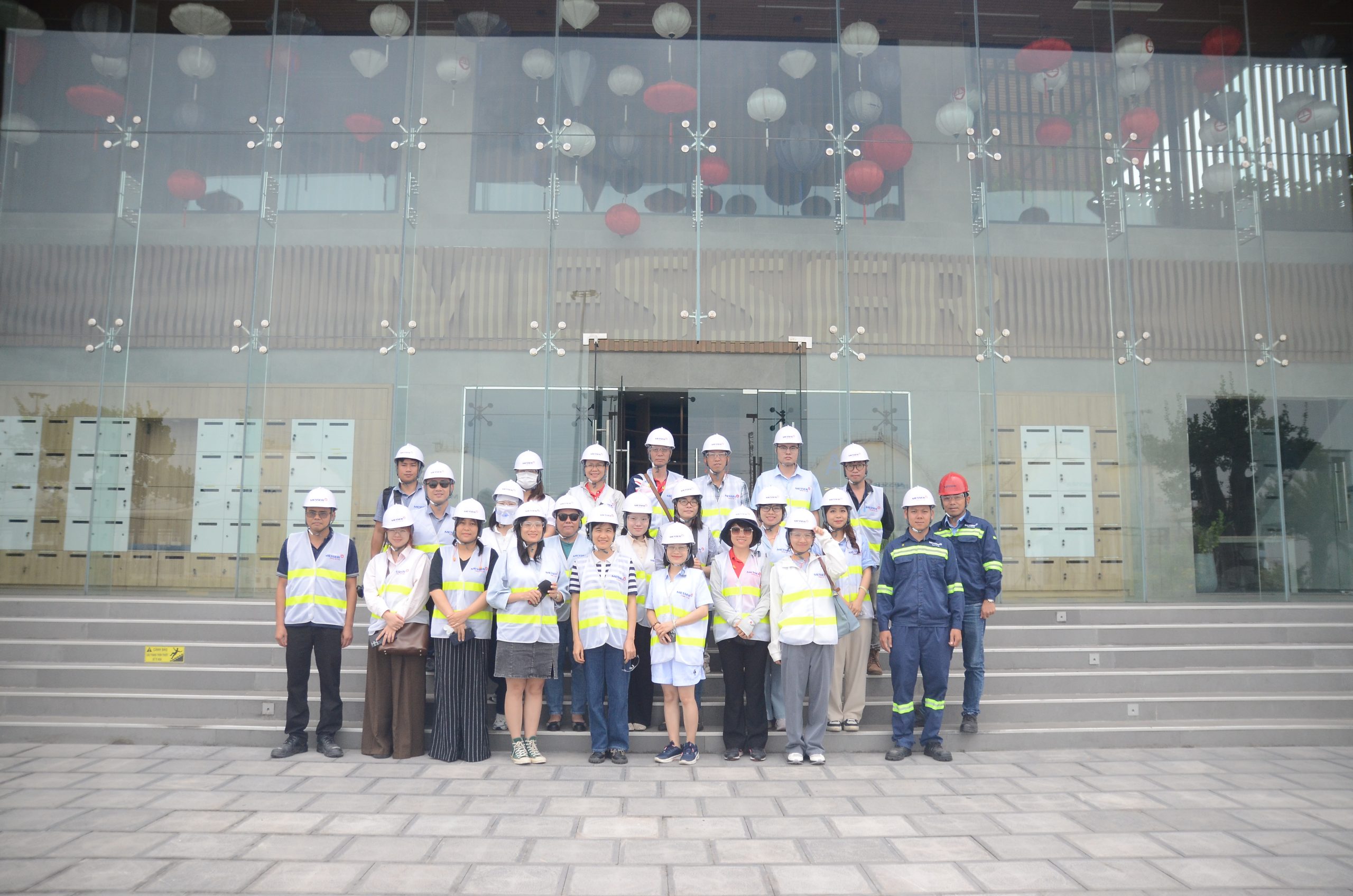
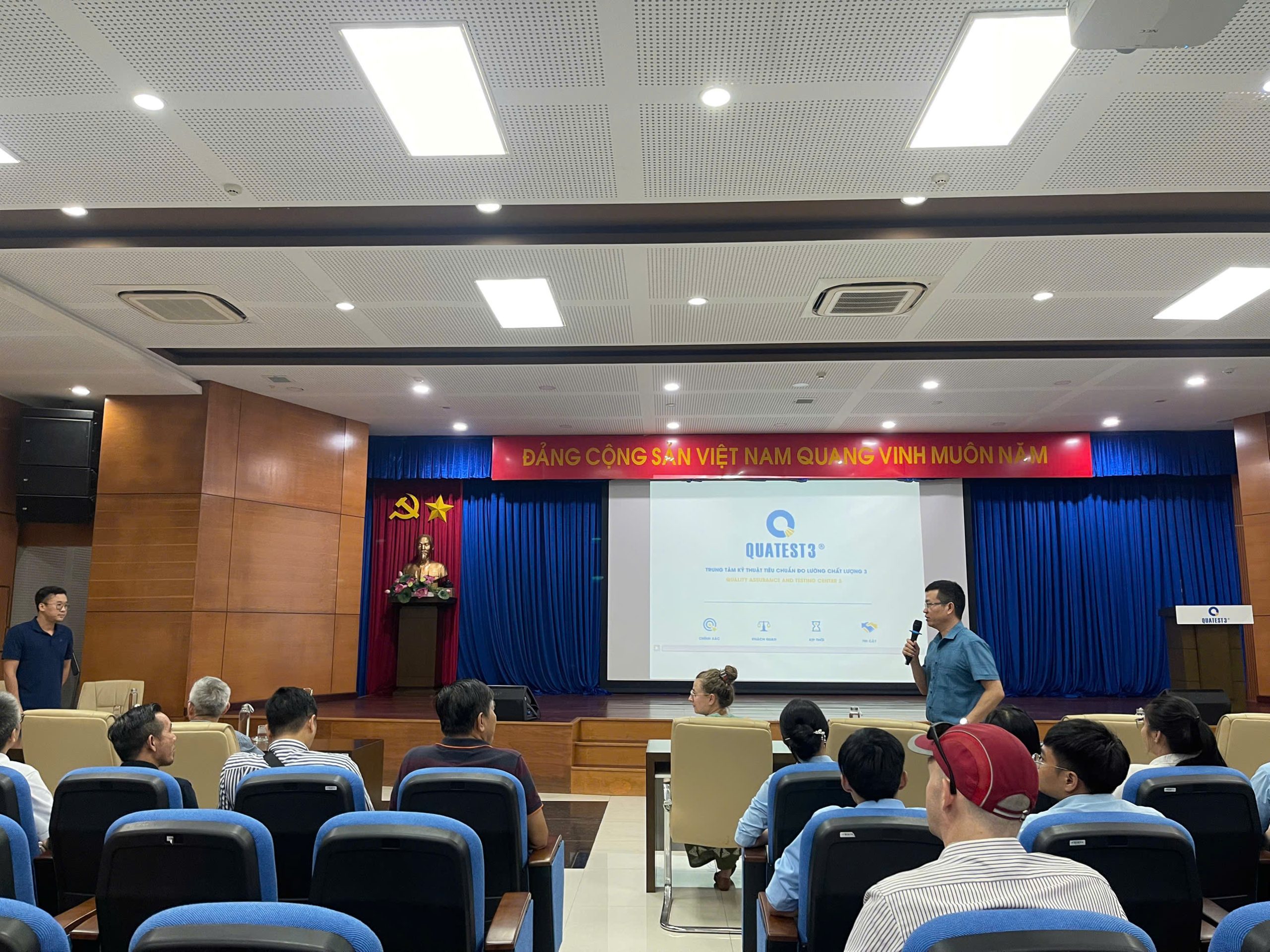
A highlight of the training was the site visit to the Testing Centre for Industry (TCVI) in Hanoi and QUATEST 3 in Ho Chi Minh City. During the visit, participants had the opportunity to observe testing procedures firsthand and engage in discussions on practical experiences in sample testing.
Through knowledge sharing among experts, training institutions and testing laboratories, the training courses contributed to enhancing stakeholders’ capacity to adapt to increasingly stringent energy efficiency requirements. It also served as a platform to exchange international experience, introduce advanced testing methods, and further support the refinement of energy performance standards that are aligned with Viet Nam’s practical conditions.

The training programme was organised under the Accelerating Air Conditioning Transformation through Enhanced Energy Performance Standards (ACT MEPS) project, implemented GIZ in collaboration with the School of Heat Engineering and Refrigeration, Hanoi University of Science and Technology.